
Do you use a hairdryer or straightener? Heat protectant is key to preventing dryness, breakage, and fading! Discover how this ally forms a protective film, seals the cuticles, and ensures the shine and durability of your styling without damaging your hair.
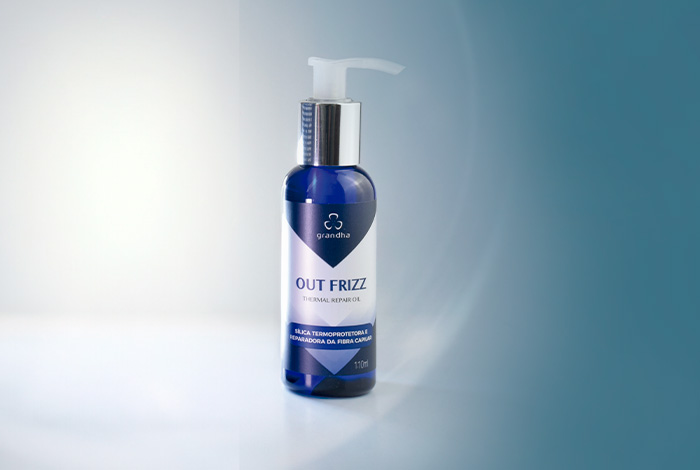
The use of thermal tools – such as hair dryers, straighteners, and curling irons – is essential to achieving that salon-quality finish we all love. However, Excessive heat, if left uncontrolled, can be one of the biggest aggressors to hair fibers.leading to dryness, breakage, split ends and loss of shine.
This is where the Thermal ProtectorIt's not a luxury, it's a non-negotiable necessity in your beauty routine!
How Heat Damages Hair and Heat Protectant Can Save It
Understanding the effects of heat is fundamental to appreciating the use of protection.
The Destructive Effect of Heat
When you apply heat directly to the hair strands no protectionThe high temperature causes the water present in the capillary structure to... evaporate quickly. This process causes what we call "Blisters" and internal dehydrationleading to:
- Keratin Denaturation: The essential protein in the hair strand becomes damaged, weakening its structure.
- Opening of the Cuticles: The hair loses its ability to retain nutrients and water, becoming rough and porous.
- Color Loss: Em colorful hairHeat accelerates the release of dyes, causing fading.
The Protective and Intelligent Action
Heat protectant may contain ingredients such as polymers and silicones, which are active ingredients that create a... A thin barrier film around each strand.This barrier works in two main ways:
- Uniform Heat Distribution: It prevents the water inside the wire from reaching its boiling point abruptly. The heat is absorbed and distributed more slowly and evenly, minimizing thermal shock.
- Cuticle Sealing: The heat-activated active ingredients adhere to the hair surface and, when heated, align the cuticles. This ensures that previously applied hydration and nutrition are not retained.
Essential Benefits Beyond Protection
A good heat protectant goes a long way. in addition to simply protecting against high temperatures. He is one multifunctional finisher which provides:
- Intense Brightness: Aligned ("sealed") cuticles reflect light better, enhancing the shine of the hair.
- Frizz control and anti-humidity (hydrophobicity): By protecting the hair fiber, it prevents the hair from absorbing excessive moisture from the environment, keeping the hairstyle in place for longer.
- Hairstyle Extension: The protective film helps to maintain the memory of the shape (straight or curly) given by the heat/finishing touch, increasing the durability of the brush or curling iron.
- Integrated Treatment: Many heat protection products are enriched with nourishing oils and conditioning agents, providing not only protection but also treatment.
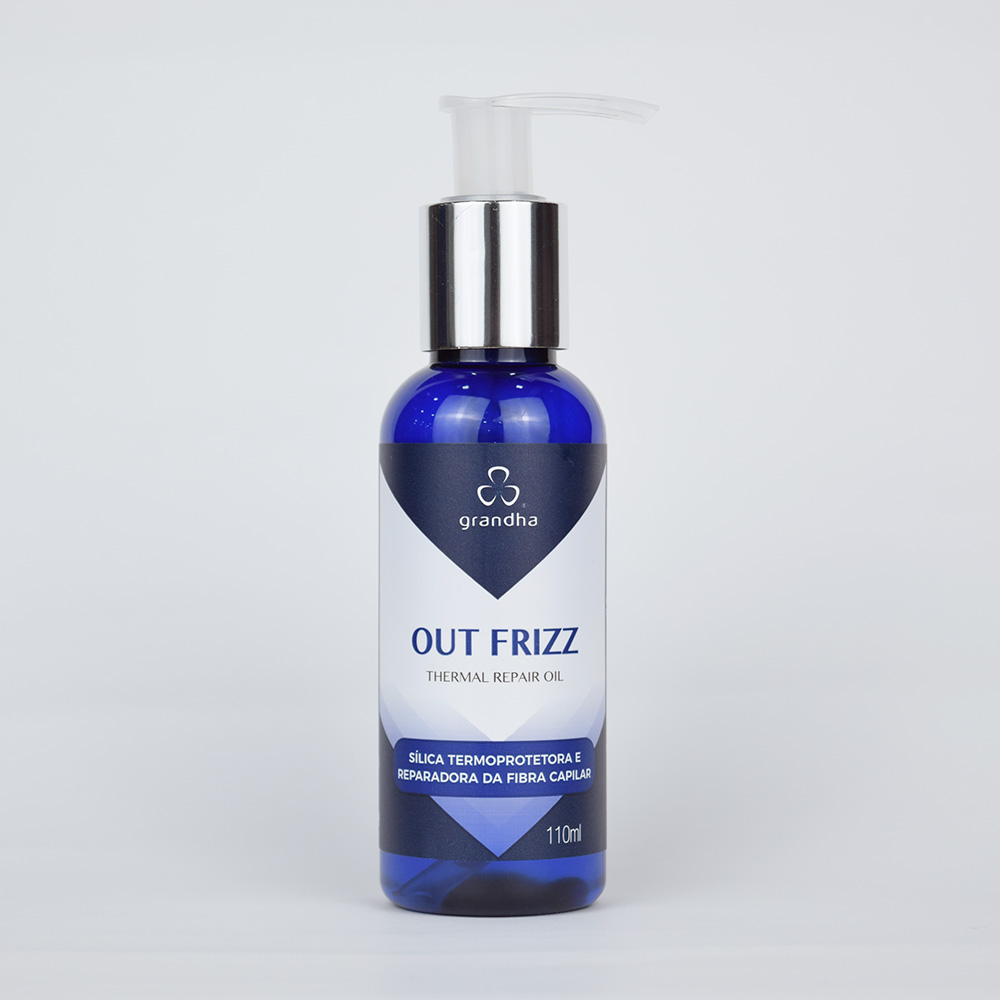
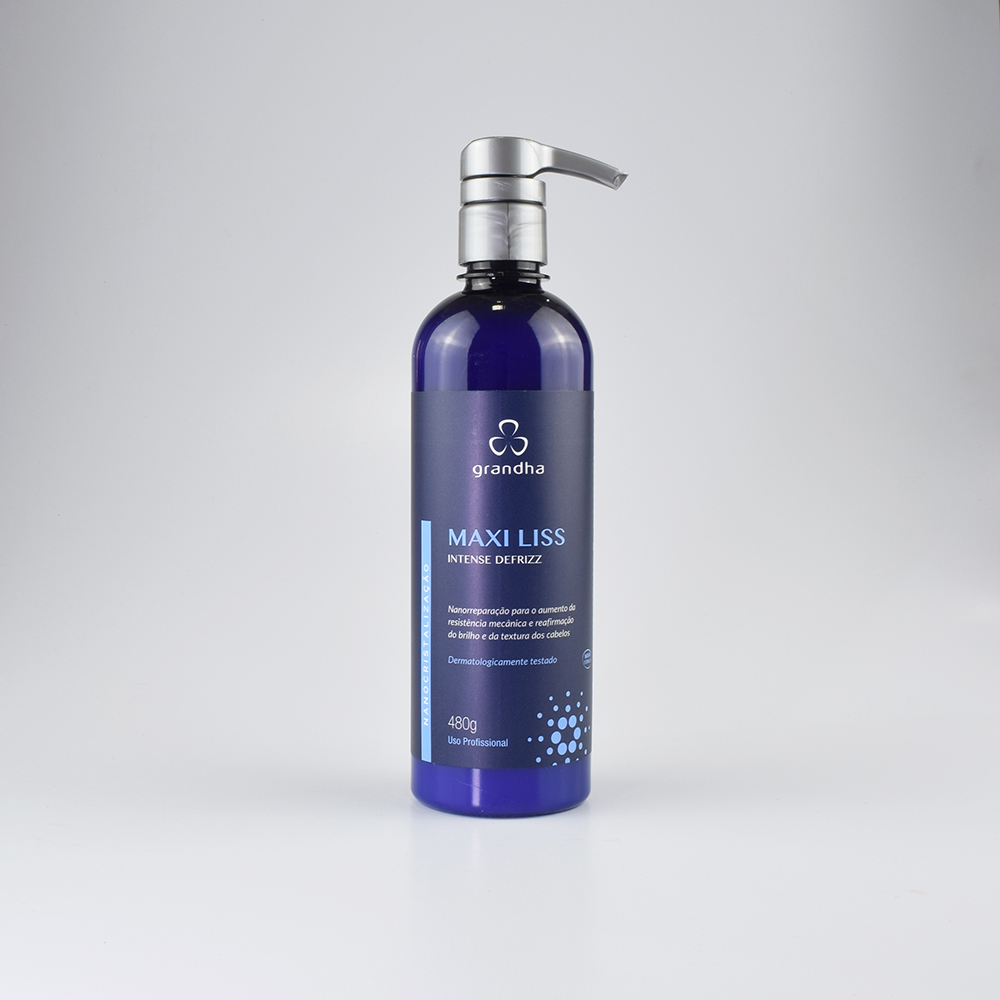
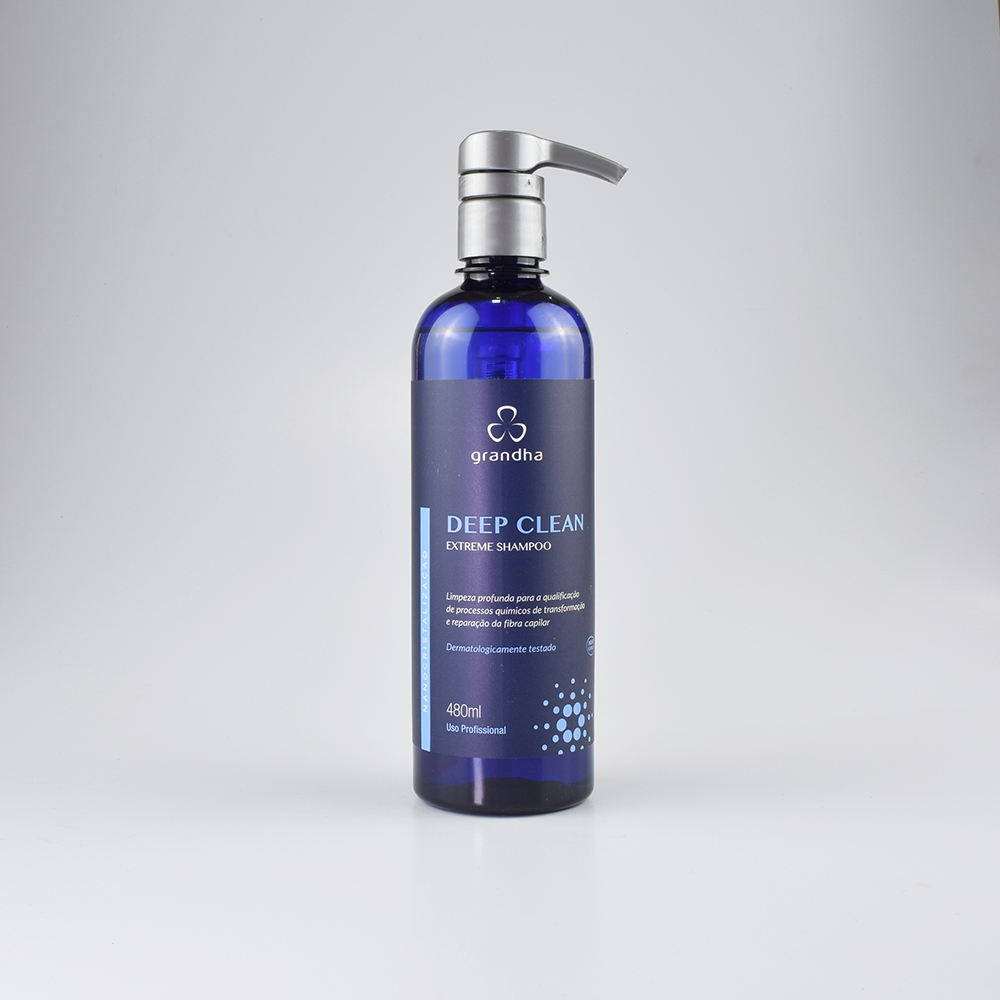
How to Use Heat Protectant Correctly (The Essential Step)
The success of heat protectant depends on its correct application:
- Damp Hair: Ideally, apply Apply the product to clean, damp hair after washing and before using a hairdryer. The moisture helps distribute the product evenly.
- Length and Ends: Focus the application on the length and, especially, on the ends (which are the oldest and most fragile part of the hair). Avoid the roots to prevent weighing down the hair.
- Distribution: Spread the product by rubbing it well in your hands and comb through to ensure each section is evenly distributed. the wire is wrapped with the protective film. promoted by the product.
- On Dry Hair: If you are going to use the hair straightener or curling iron On hair that is already dry (the next day, for example), reapply a small amount of heat protectant, especially to the strands that will be exposed to heat.
Remember if: Every finishing product that will be exposed to heat tools needs to have the Thermal protection function. Not all leave-in conditioners have this technology!
Heat protectant is more than just an optional product; it's fundamental to the longevity and beauty of hair, preserving keratin. Hydration and long-term color preservation for your hair.Don't finish your hair without it: the choice of use heat protectant It's the decision to take care of your hair's health, day after day.
FAQ
1. What is the best heat protectant for my hair?
The best product is the one that suits your hair texture: lightweight spray or fluid formulas for fine/oily hair; and nourishing creams or leave-in conditioners for dry, curly, or chemically processed hair.
2. How to choose a quality heat protectant?
Check the label: it should explicitly indicate heat protection and, ideally, list active ingredients that also offer treatment, such as high-performance silicones and nourishing oils that minimize damage from sun exposure.
3. What temperature should the thermal protector withstand?
Most high-quality protectors withstand temperatures between 200°C and 230°C, which are the maximum temperatures for professional tools.
4. Does heat protectant work if I don't use a hairdryer or straightener?
Yes. It also protects against environmental aggressors, such as solar radiation and excessive ambient heat, in addition to acting as an anti-frizz and cuticle "sealer".
5. How many times a week should I use heat protectant?
You should use heat protectant every time you expose your hair to any heat source, whether it's a hairdryer, straightener, curling iron, or intense sun exposure.