Heat protectant is essential, but do you know how to choose the ideal one? Discover the complete guide from... Grandha to select the right formulation (cream or oil/silica) according to your hair type – fine, medium or thick – ensuring protection against the heat of flat irons and hair dryers, without adding weight to the hair.

The heat from thermal styling tools – hair dryers, flat irons/straighteners, and curling irons – is one of the biggest aggressors to the hair fiber. Temperatures that easily exceed 180°C can dehydrate the hair, oxidize the color, and, most seriously, disrupt the hair shaft by degrading keratin and the lipid layer, making the hair fragile and brittle.
Heat protectant is the essential barrier against this damage. It works by creating a shield that distributes heat more evenly, preventing the water inside the hair (natural hydration) from reaching its boiling point and promoting... irreparable damage to the hair
But how choosing the ideal product In the sea of available options? The key is understanding the specific needs of your yarn type.
The Basic Mechanism: What should a good thermal protector do?
A good heat protectant should contain ingredients in its formula that:
- They form a film: Special film-forming agents such as: special silicones, lightweight, volatile and polymers that coat the yarn.
- They absorb and dissipate heat: Thermoactive ingredients that "sacrifice themselves" in place of the hair shaft structures to keep them protected.
- Moisturizers (humectants): Components that have the property of absorbing and retaining water in the hair, such as: panthenol, glycerin, hyaluronic acid, and PCA-Na.
Guide by Wire Type: Choosing the Ideal Protector
The consistency and composition of the heat protectant should be chosen based on its thickness and... level of dryness of your hair.
Fine, oily, or combination hair
The main concern here is protecting the hair without adding weight or increasing oiliness at the roots.
- Ideal Formulation: Lightweight products with modern formulations, suitable for... your hair type and with technology.
- Recommended composition: Use lighter silicones. Prioritize volatile silicones and ingredients with a dry feel, such as some plant extracts and proteins.
- Mode of use: Apply a small amount to your hands and distribute it evenly using a comb; avoid applying it too close to the hair roots. Indication GrandhaPrime Oil.
Medium length, normal to dry, or curly and wavy hair.
These wires need protection Robust formula combined with frizz control and lipid replenishment:
- Ideal Formulation: Lightweight leave-in creams or fluid lotions.
- Recommended composition: It should contain moisturizing ingredients such as panthenol, amino acids, and light vegetable oils (such as the oil itself). jojoba oil or argan) in concentrations that nourish but don't weigh you down.
- Mode of use: Distribute evenly through the lengths and ends, strand by strand, before drying or styling. Indication GrandhaPremium Vital Supply
Thick, Dry, Curly, or Chemically Treated Hair
These are the most vulnerable hair strands and those that most need intense protection and mass replenishment. The goal is to promote cuticle alignment and compensate for any potential lack of moisture.
- Ideal Formulation: Thick creams (dense leave-in conditioners), more concentrated oils (in moderate amounts), or leave-in masks.
- Composition to Search For: High concentration of hydrolyzed keratin or other proteins, vegetable butters (from Amazonian biodiversity), and protective and repairing silicas. They provide the necessary mass and lipid barrier.
- Mode of use: You can use a little more, focusing on the ends. If you're going to use a flat iron, make sure the product is completely dry before applying heat.
- Recommended for curly hair: Oil Cup Leave-in + Out Friz Thermal Repair Oil
- Recommended for chemically processed hair: Progressive leave-in + Out frizz Thermal Repair Oil.


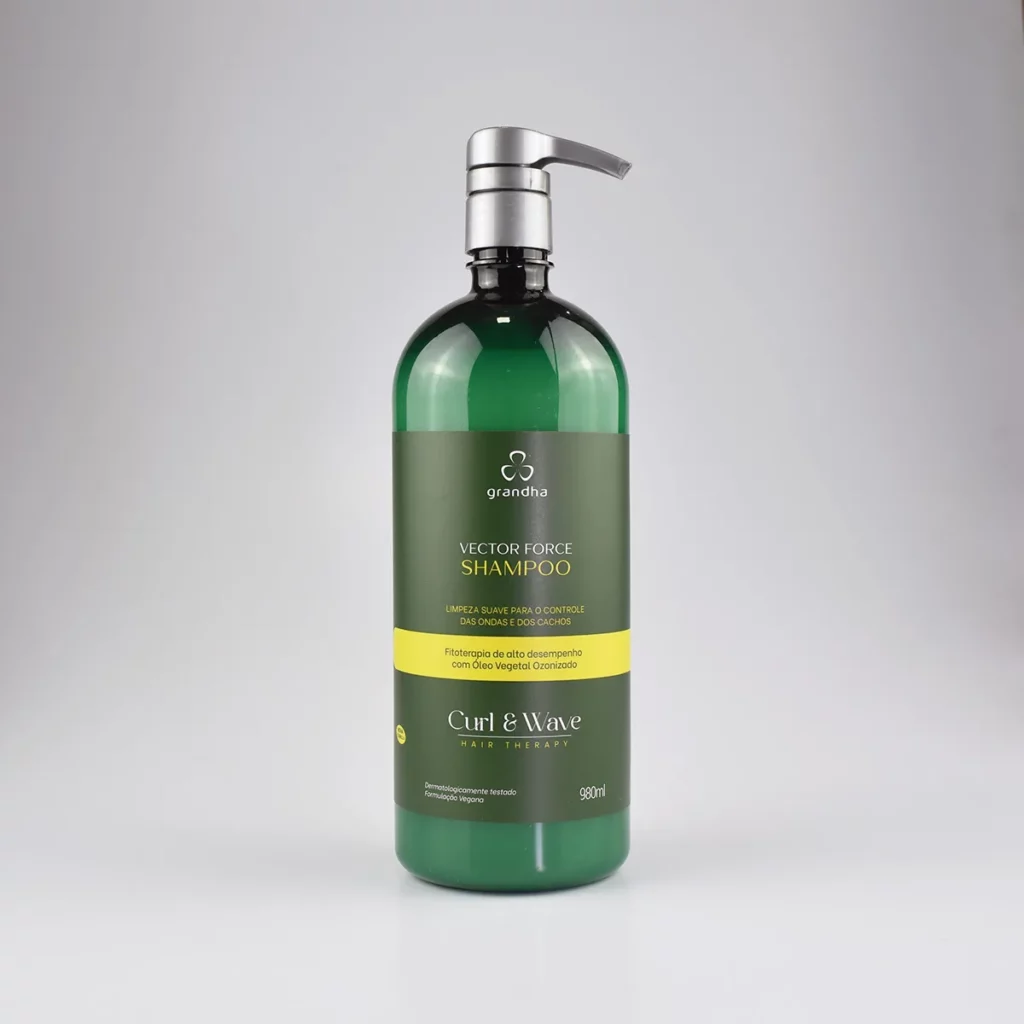
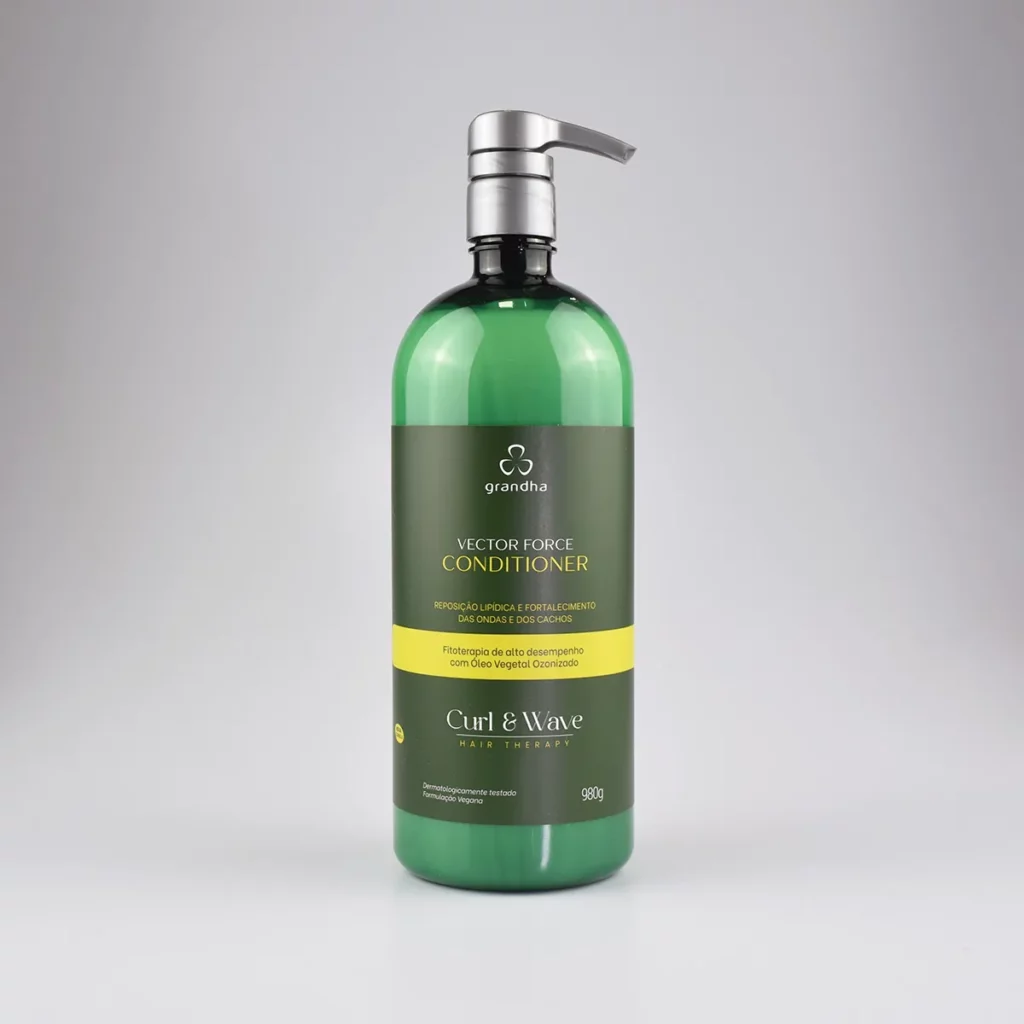
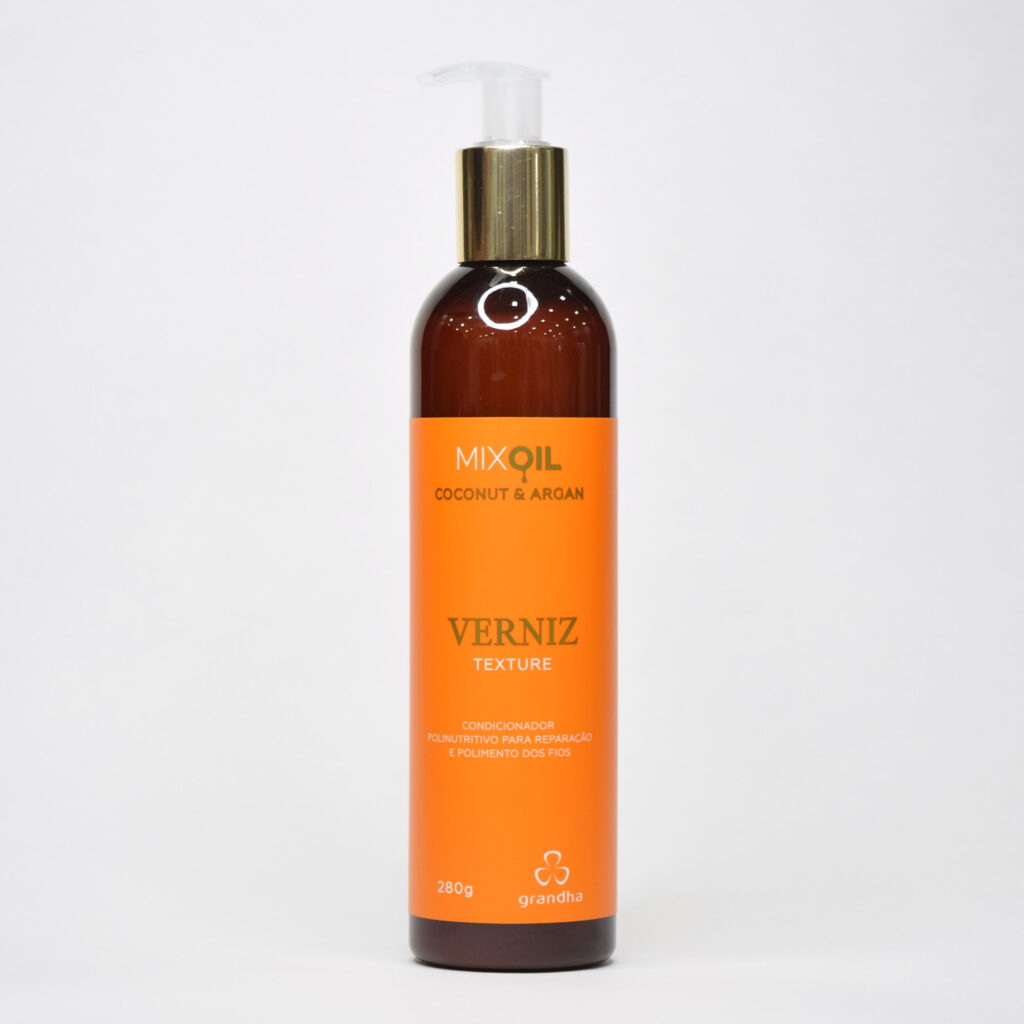
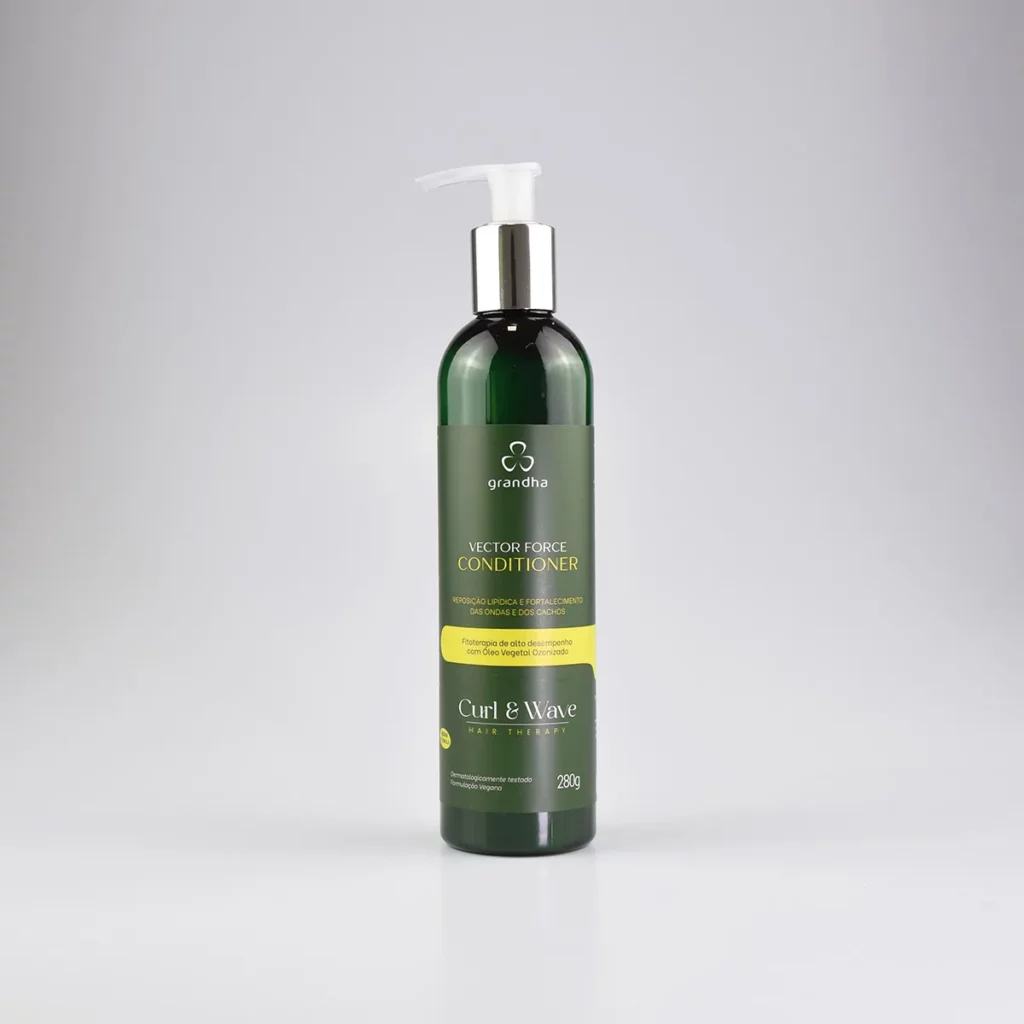
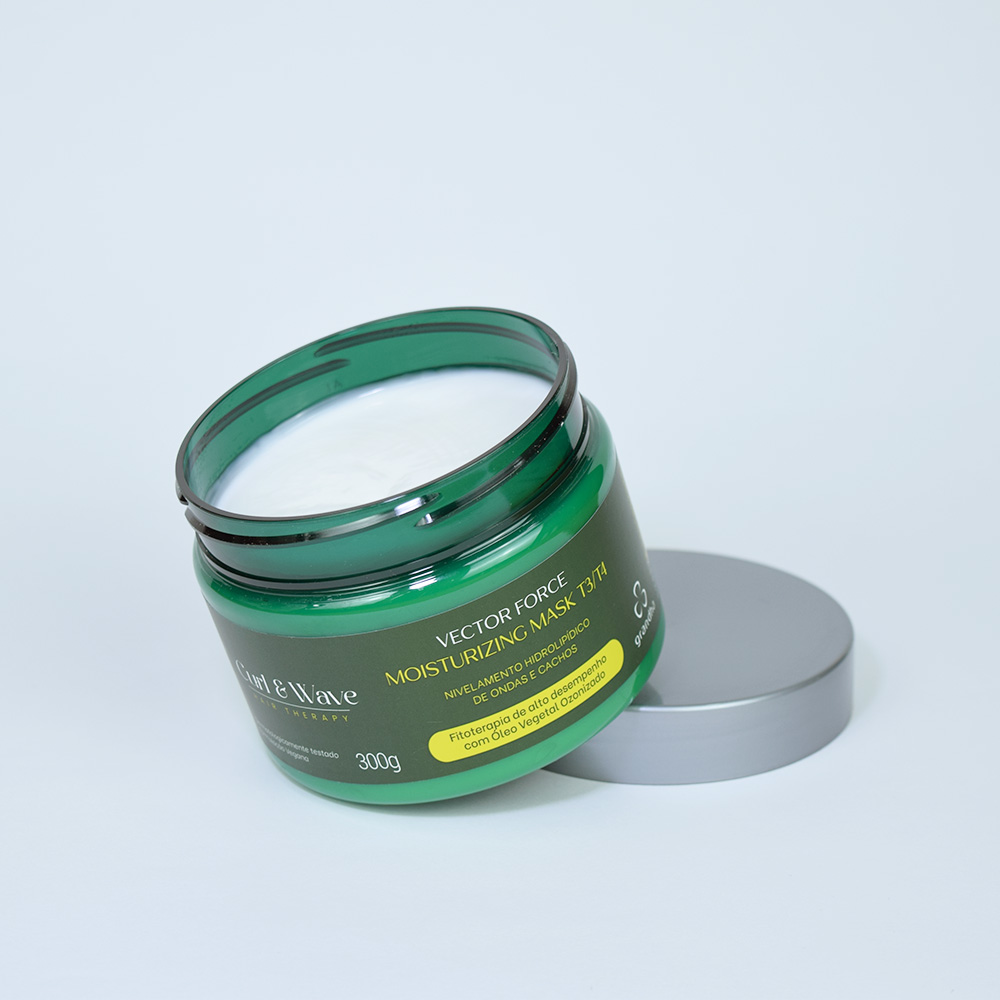
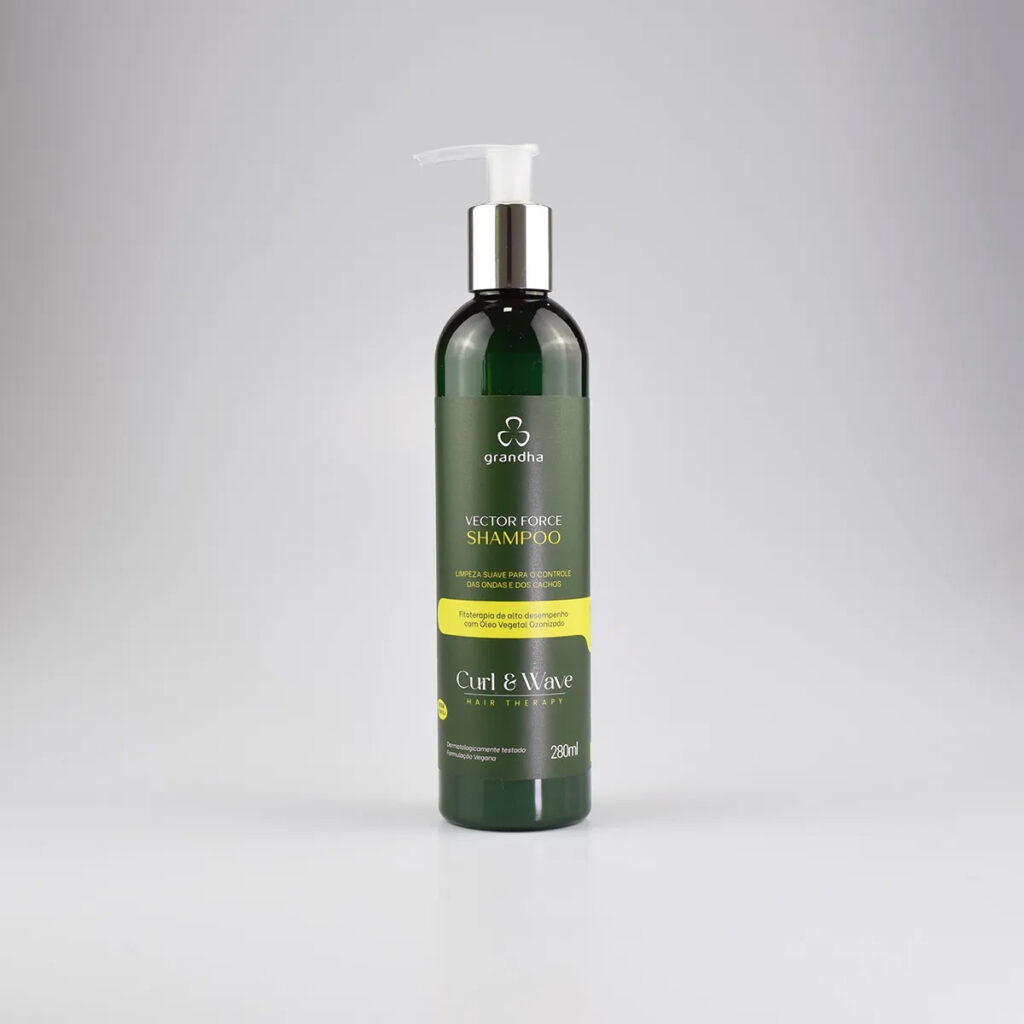


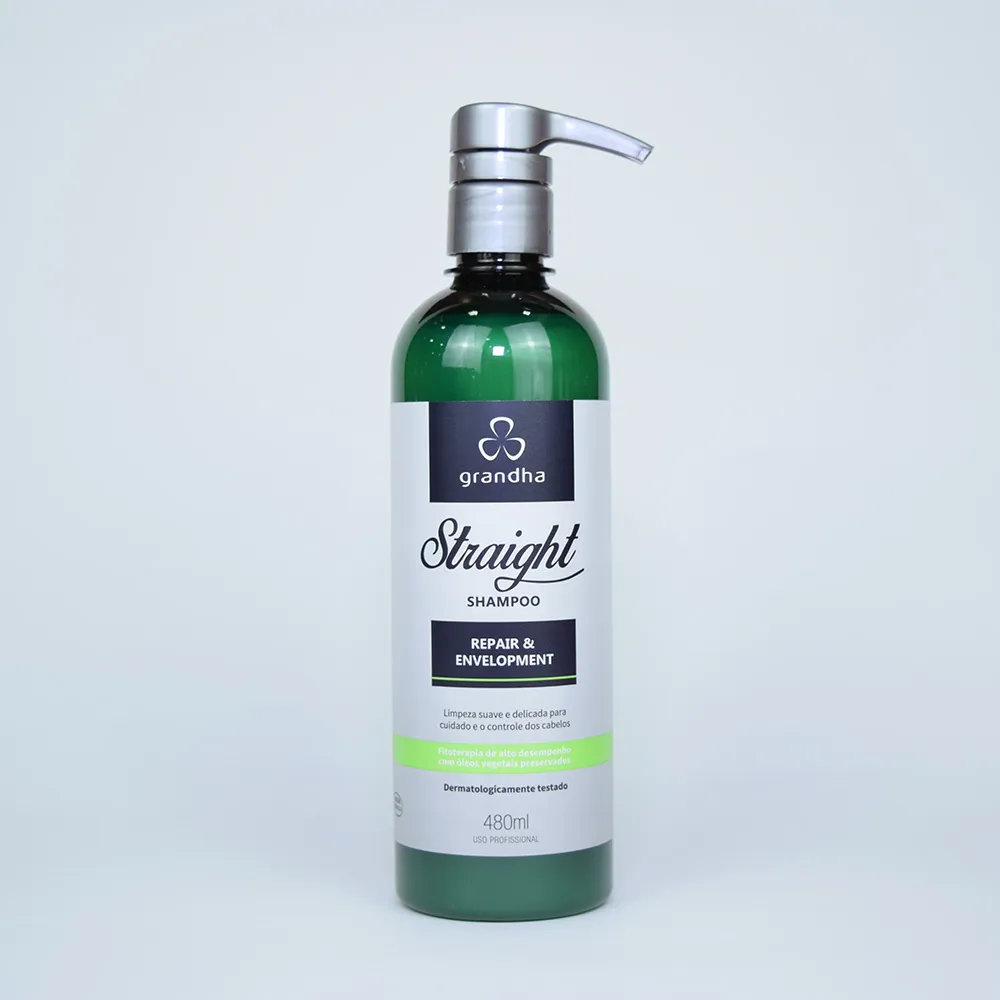

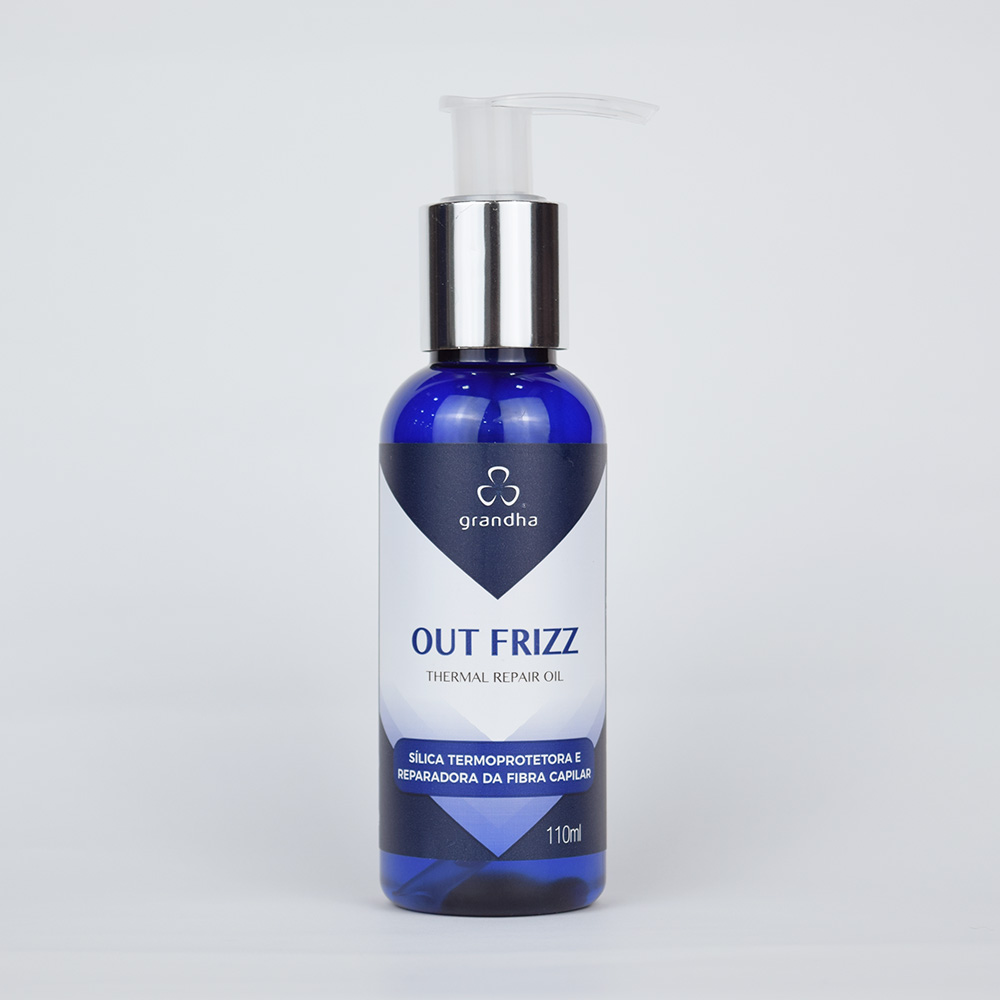


Bonus Tip GrandhaAssets to Look For on the Label
When choosing your heat protectant, look for:
- Heat-Protecting Polymers: Such as Polyquaternium-37, Amodimethicone (and other noble silicones, cyclopentasiloxane).
- Proteins: Hydrolyzed Keratin, Wheat or Silk Protein.
- Wetting Agents: Panthenol (Pro-Vitamin B5) and Glycerin.
- Remember the Temperature Factor: If you regularly use a flat iron, prioritize products that guarantee protection up to at least 200°C.
Protection is an investment.
Choosing a good heat protectant isn't just an extra cost; it's an investment in the longevity and health of your hair. By choosing the right formula for your hair type, you ensure that heat styling tools become your allies in styling, not enemies of your hair fiber.
Common questions:
1. What is the best heat protectant?
The best product is the one that suits your hair type. Fine hair responds better to lighter formulas, while thick or damaged hair needs more refined creams, lotions, and silicas.
2. How to choose a heat protectant for hair?
Choose based on your hair texture (fine, medium, or thick) and the degree of damage. Lighter formulas for fine/oily hair and denser formulas for dry/thick/chemically treated hair.
3. Is a cream-based heat protectant better than another type?
It depends on your hair type: lighter formulas, such as those containing high-quality silicones in combination, are ideal for fine hair because they don't weigh it down. Denser formulas are ideal for dry, thick, or curly hair, as they offer a higher lipid concentration and form a protective film to control frizz.
4. Does heat protectant for hair really work?
Yes, it works. It forms a protective film that absorbs, dissipates, and distributes heat, preventing the temperature from reaching the point of damaging the hair shaft structure.
5. How should I use heat protectant on my hair before straightening it?
Apply the product evenly to clean, damp hair. Pre-dry the hair (with a hairdryer or allow it to air dry) before using a flat iron, ensuring that the protector has adhered to the hair and that the heat does not act intensely and negatively, eliminating moisture and degrading the hair shaft structure.