
Itching, redness, and burning at the roots are warning signs. Discover essential care to soothe the skin and see how the Fito Capillus line from [Brand Name] can help. Grandha It uses herbal medicine and essential oils to restore the health and balance of your scalp.
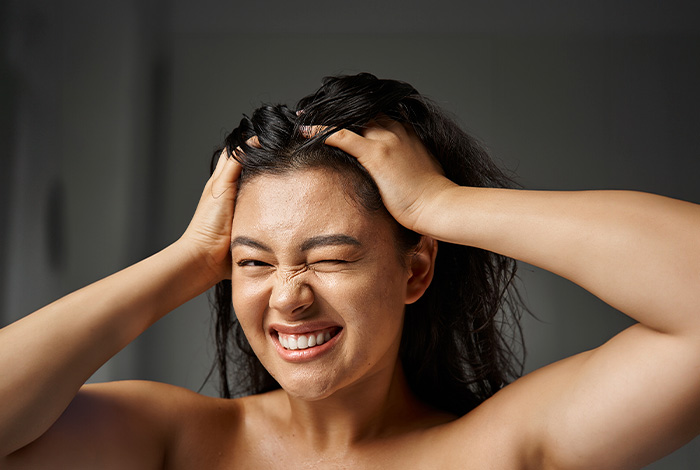
When we think about hair health, it's very common to focus all our attention on the length of the hair strands: on softness, shine, and split end repair. However, the true beauty and strength of hair They begin where the eyes don't immediately see. The scalp is the foundation of everything.And when it is sensitive, the entire hair ecosystem suffers.
A scalp sensitivity This is an increasingly frequent complaint in beauty salons and hair therapy treatments. Symptoms such as itching, redness, peeling, burning sensation or even pain when arresting the hair are clear signs indicating that the skin barrier in the area is compromised.
If you live with this discomfort, understanding the causes and adopting the right care is the first step to regaining well-being. See the most important care tips to help calm you down and the products you can use. Grandha For support in treating the skin of your scalp.
The main causes of a sensitive scalp
The scalp can become sensitive due to a variety of internal and external factors. Among the most common are:
- Chemical Aggressors: Coloring, bleaching, and especially aggressive and prohibited straightening processes based on... formaldehyde or acids.
- Environmental Factors: Pollution, excessive sun exposure, very dry weather or extreme cold.
- Daily Habits: Wash the hair and scalp with water that is too hot, using the hairdryer too close to the roots, or tying the hair up too tightly.
- Stress and Anxiety: Emotional stress releases cortisol, a hormone that can trigger inflammatory processes in the skin and scalp.
Essential daily care tips
To reverse the sensitivity, you need to change how you interact with your scalp. Here's where to start:
1. Adjust the water temperature.
A Hot water removes the natural protective oils. of the skin, leaving the scalp defenseless and prone to dryness and irritation. Wash your hair Always use water that is at a moderate temperature, ranging from lukewarm to cold.
2. Avoid excessive friction.
When it's time to wash, Use only your fingertips., making gentle circular movements. Never use your nails.because they can cause micro-fissures in the skin, potentially facilitating the entry of microorganisms, increasing the risk of infections and promoting inflammation. When drying, Gently press the towel against your head instead of rubbing it.
3. Be careful with hair dryers and styling tools.
Directed heat dehydrates the epidermis. from the scalp. Keep the dryer at a distance minimum distance of 15 centimeters from the root and prefer medium or cold temperatures.
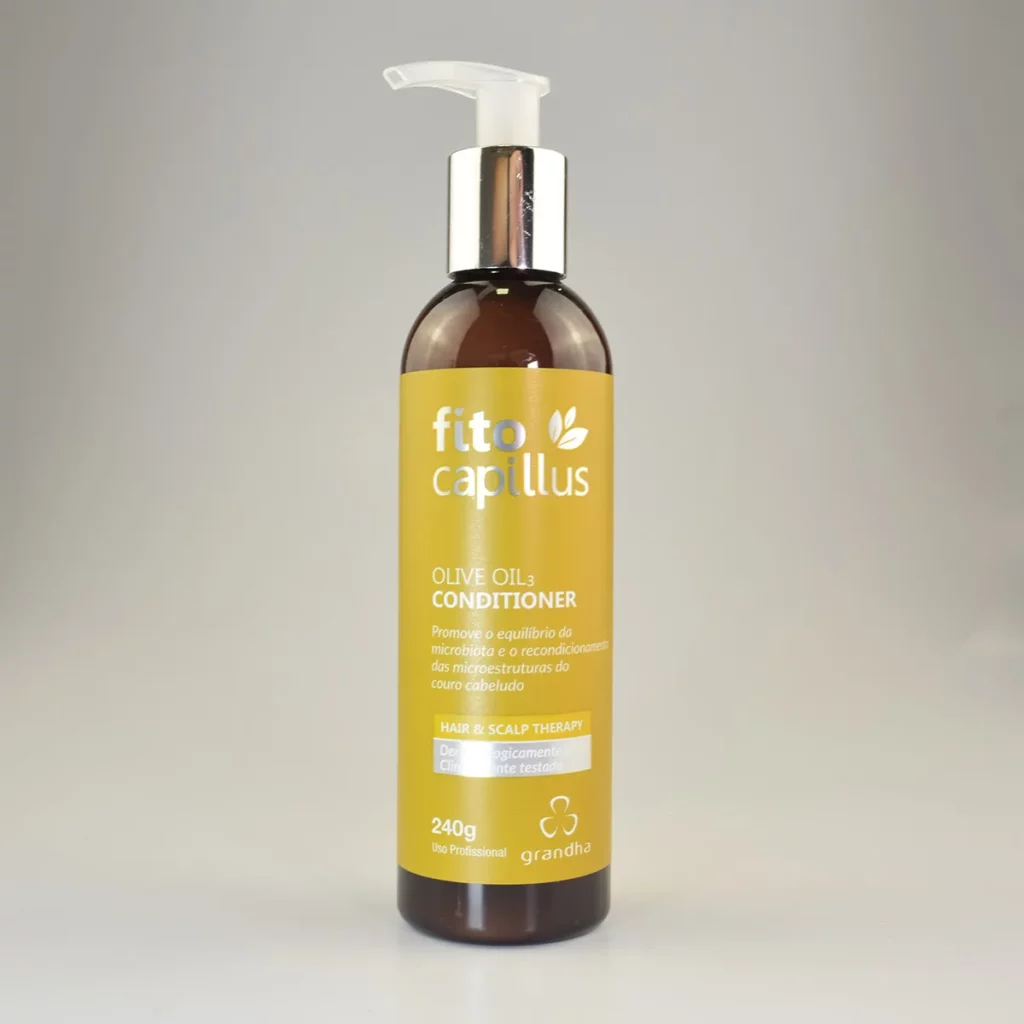
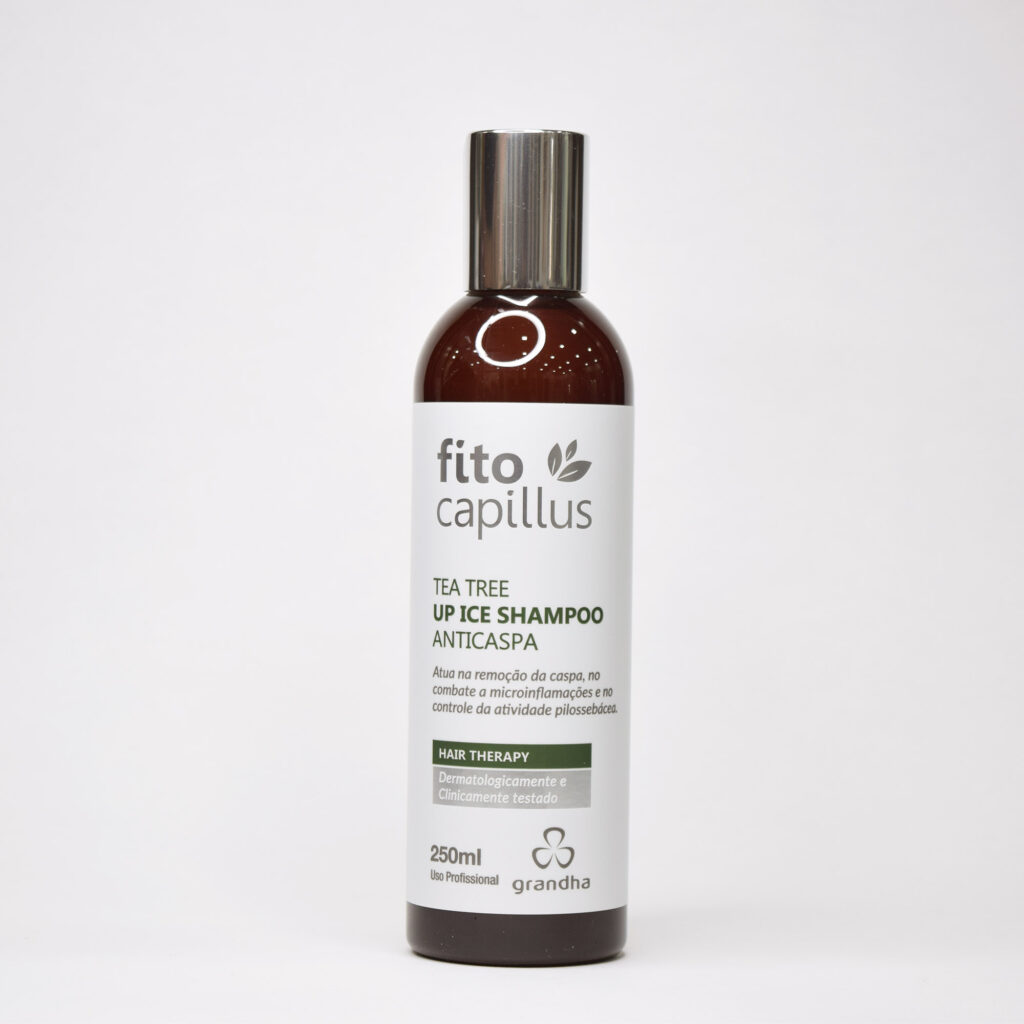
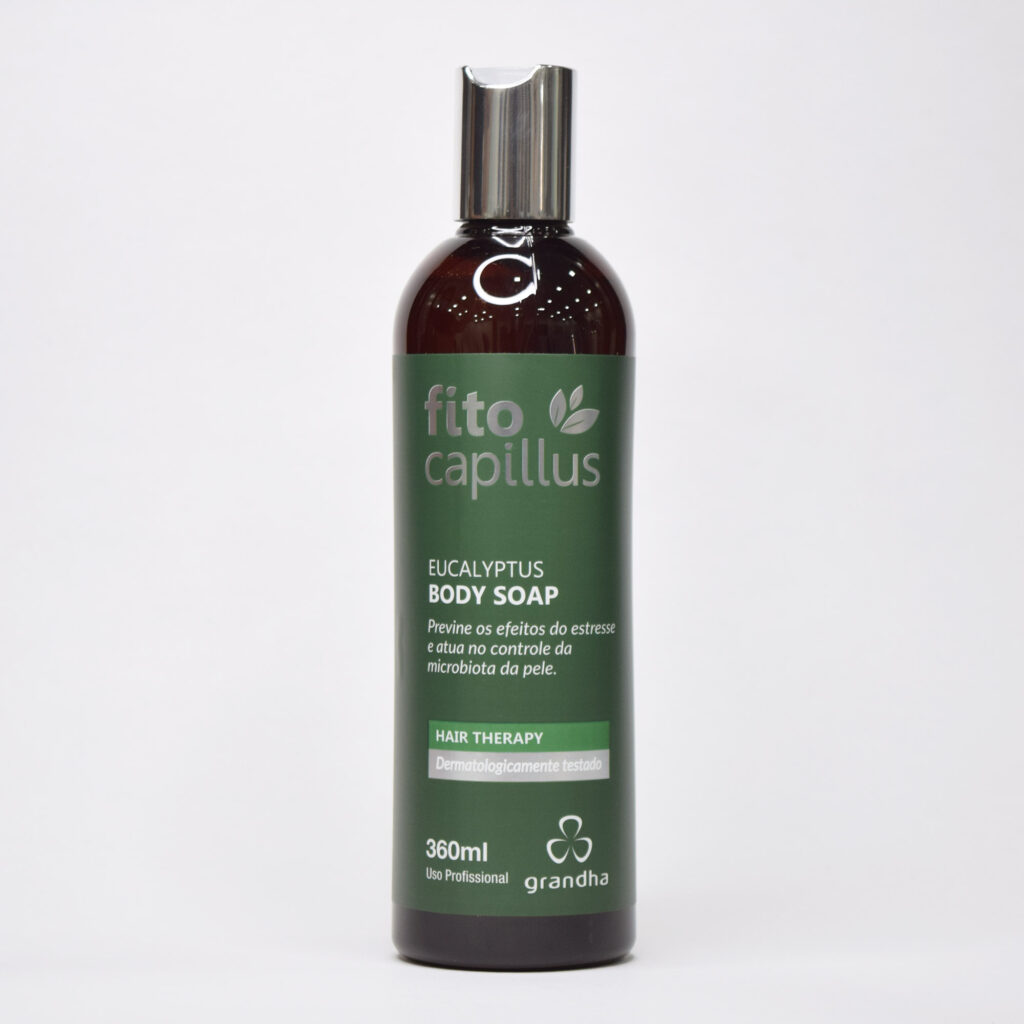
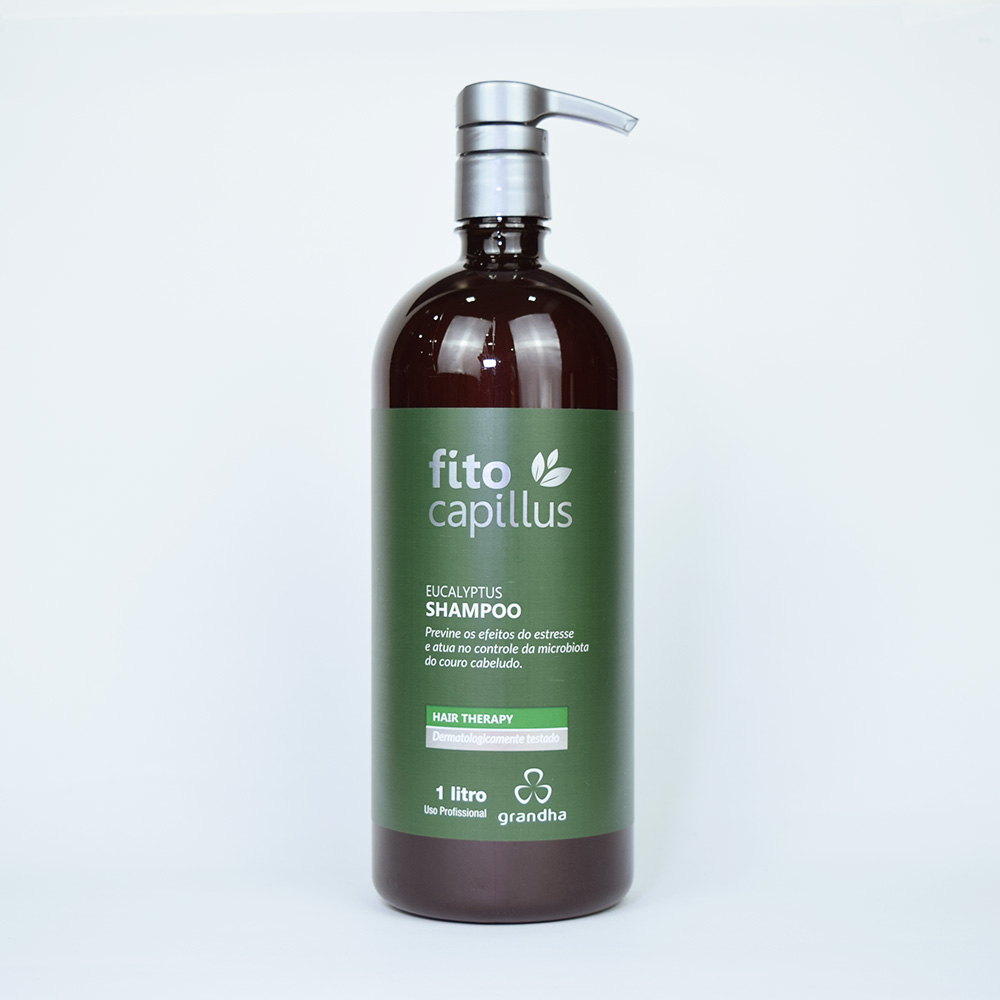
The power of herbal medicine: the Fito Capillus line from Grandha
To treat a sensitive scalp, it's not enough to just "cleanse" it; you need to soothe it. fight inflammation and restore the hydrolipidic balance to the skin. That's exactly where the high technology of comes in. Grandha Professional Hair Care with the Fito Capillus line.
Developed under the strictest concepts of Hair Therapy, the Fito Capillus line It utilizes the power of essential oils, plant extracts, and nanotechnology to treat scalp disorders with maximum gentleness and effectiveness.
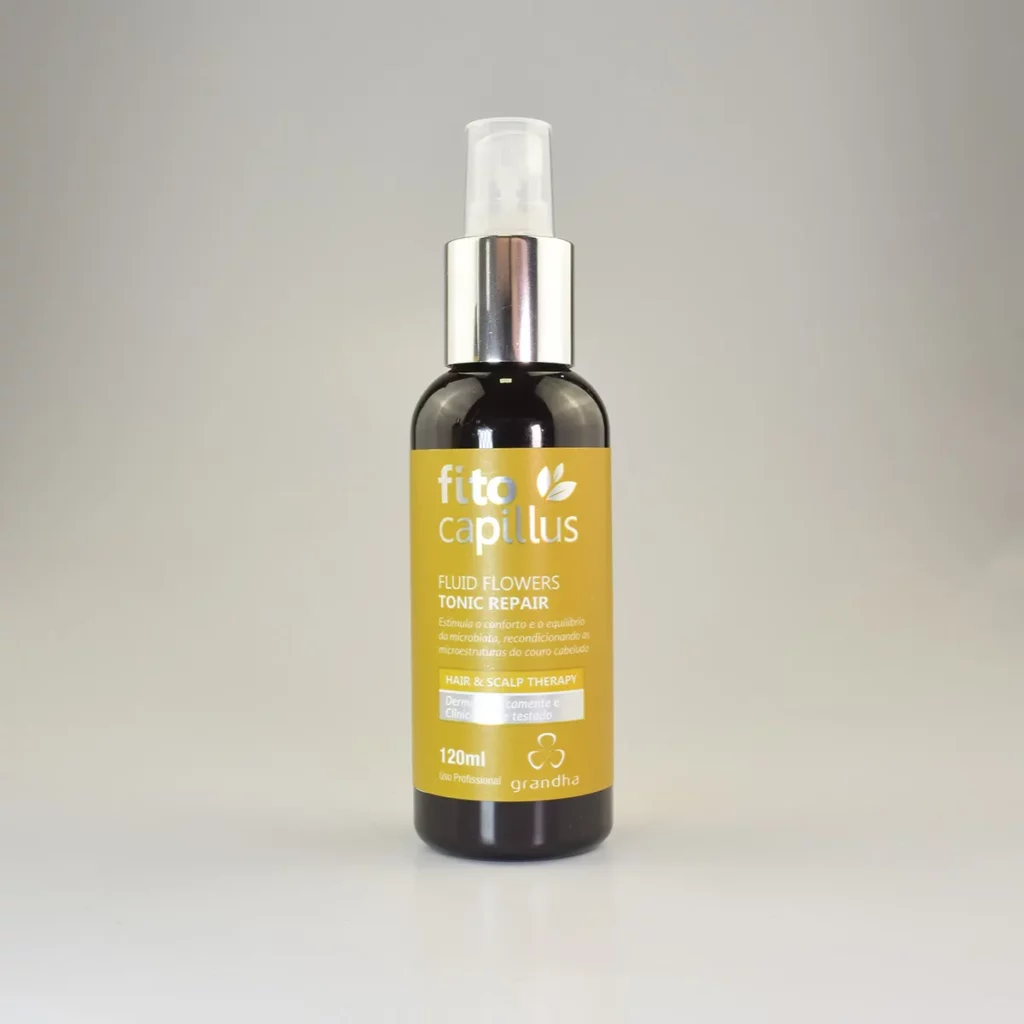
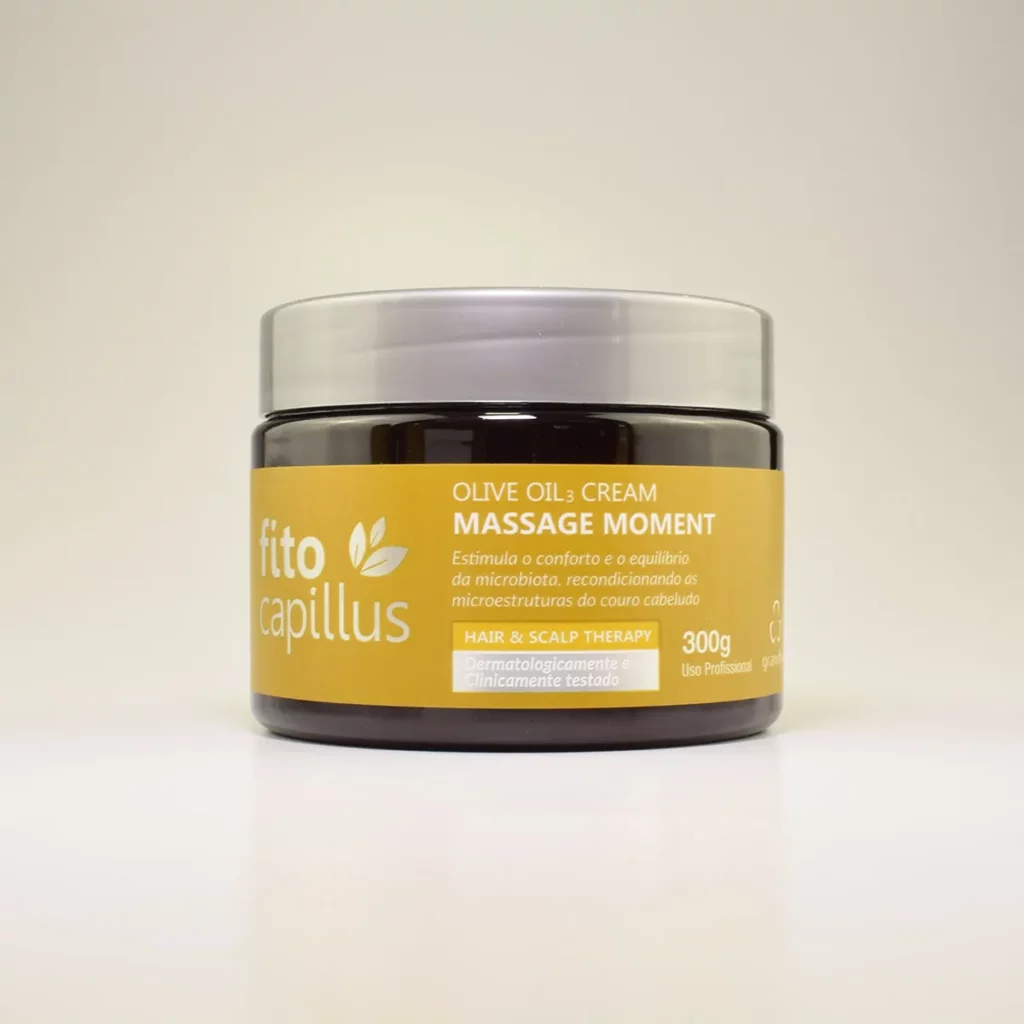
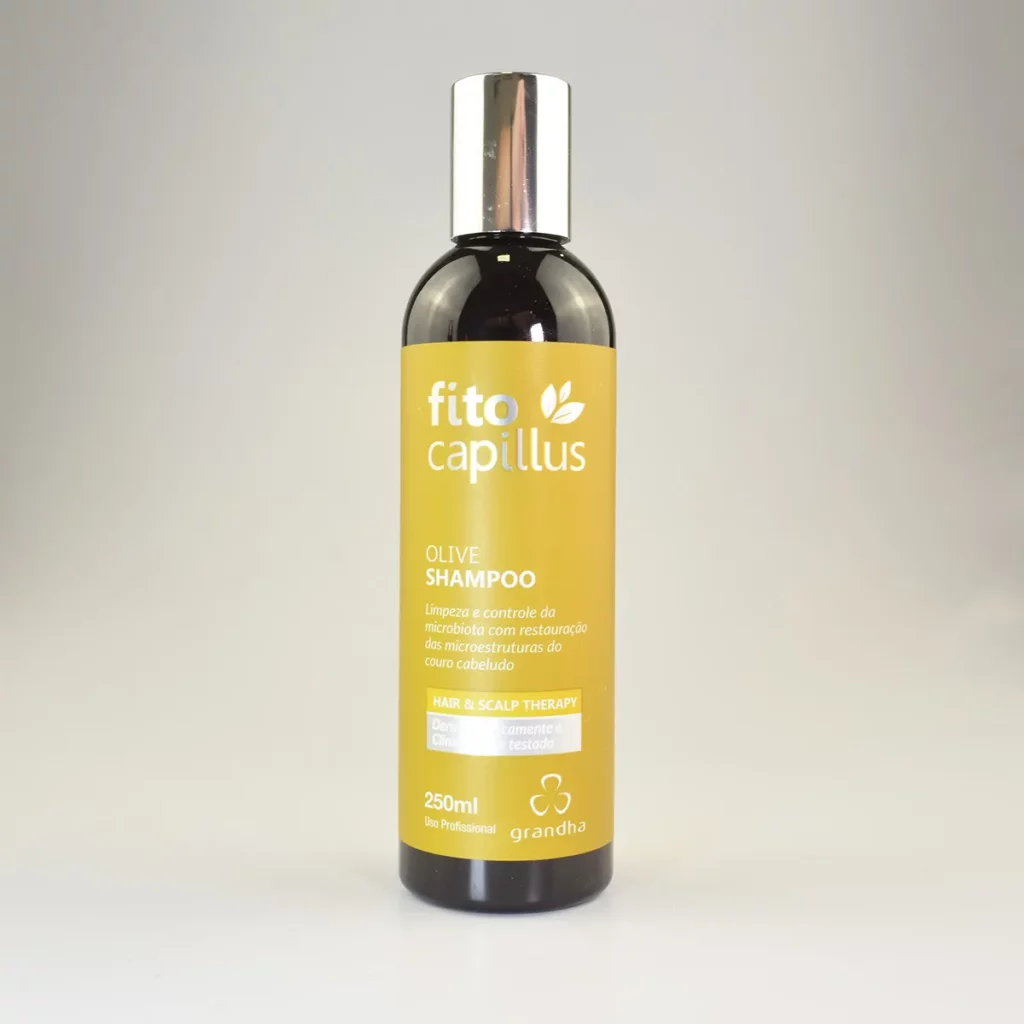
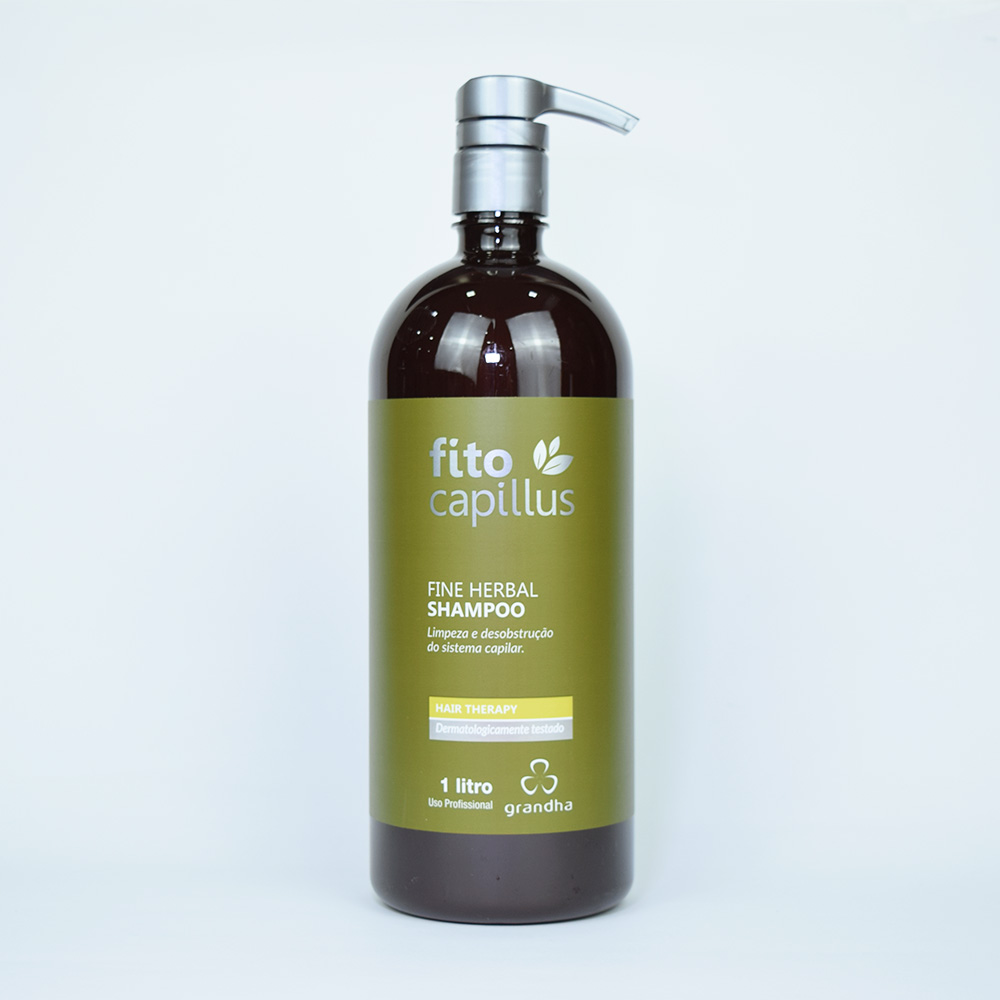
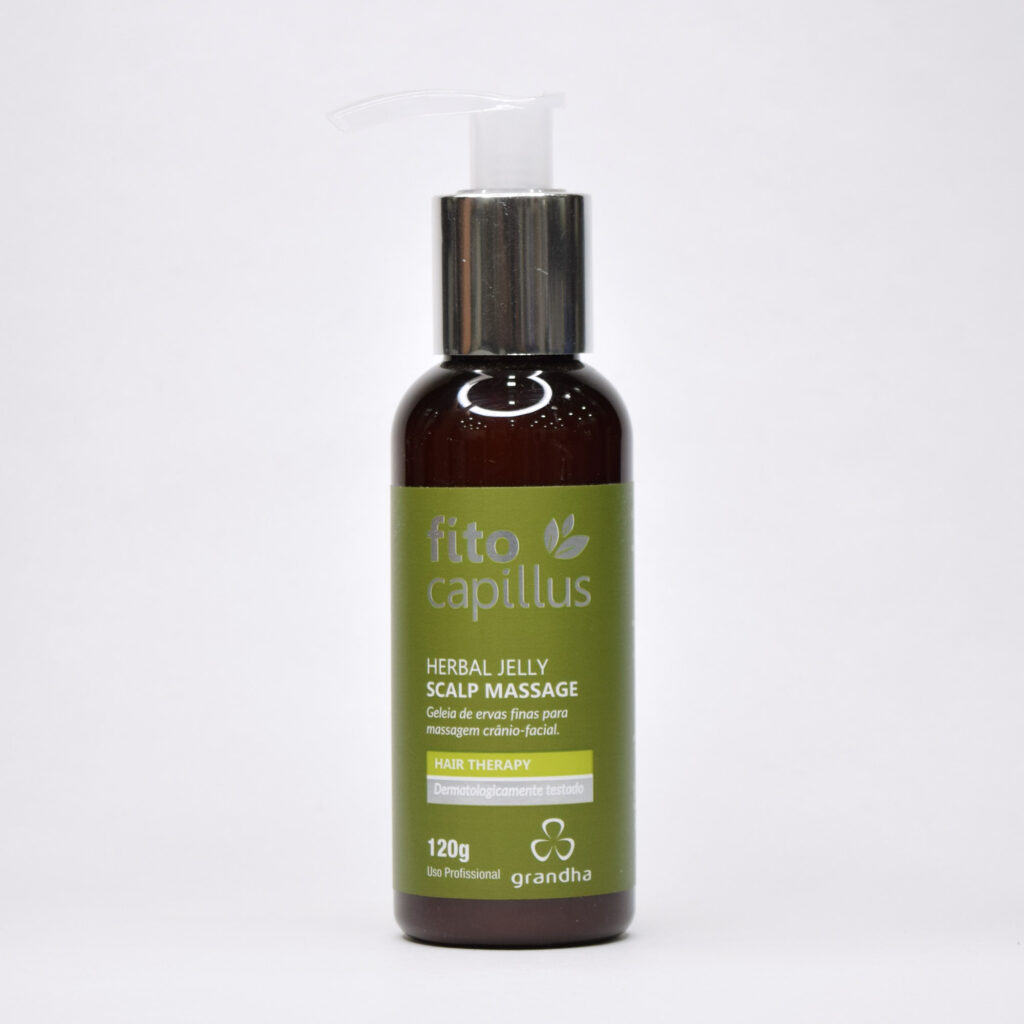
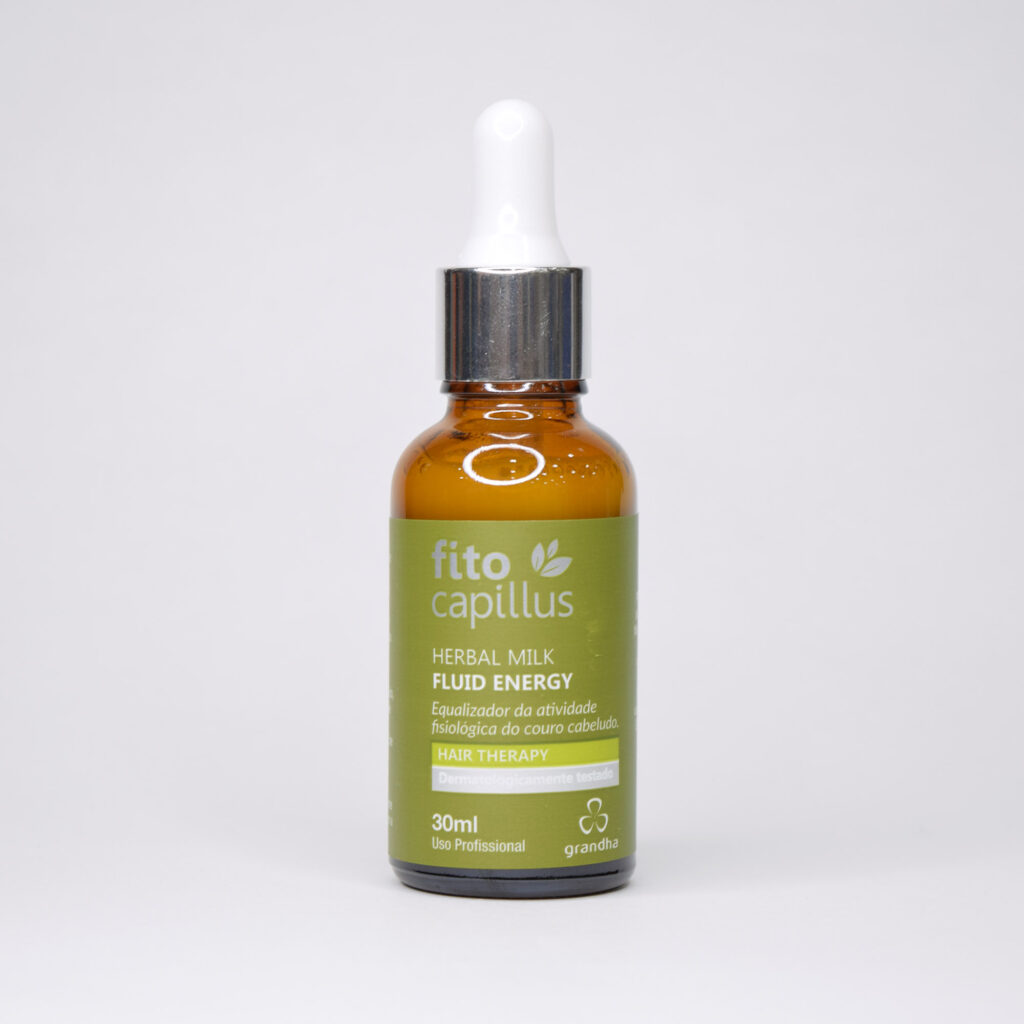
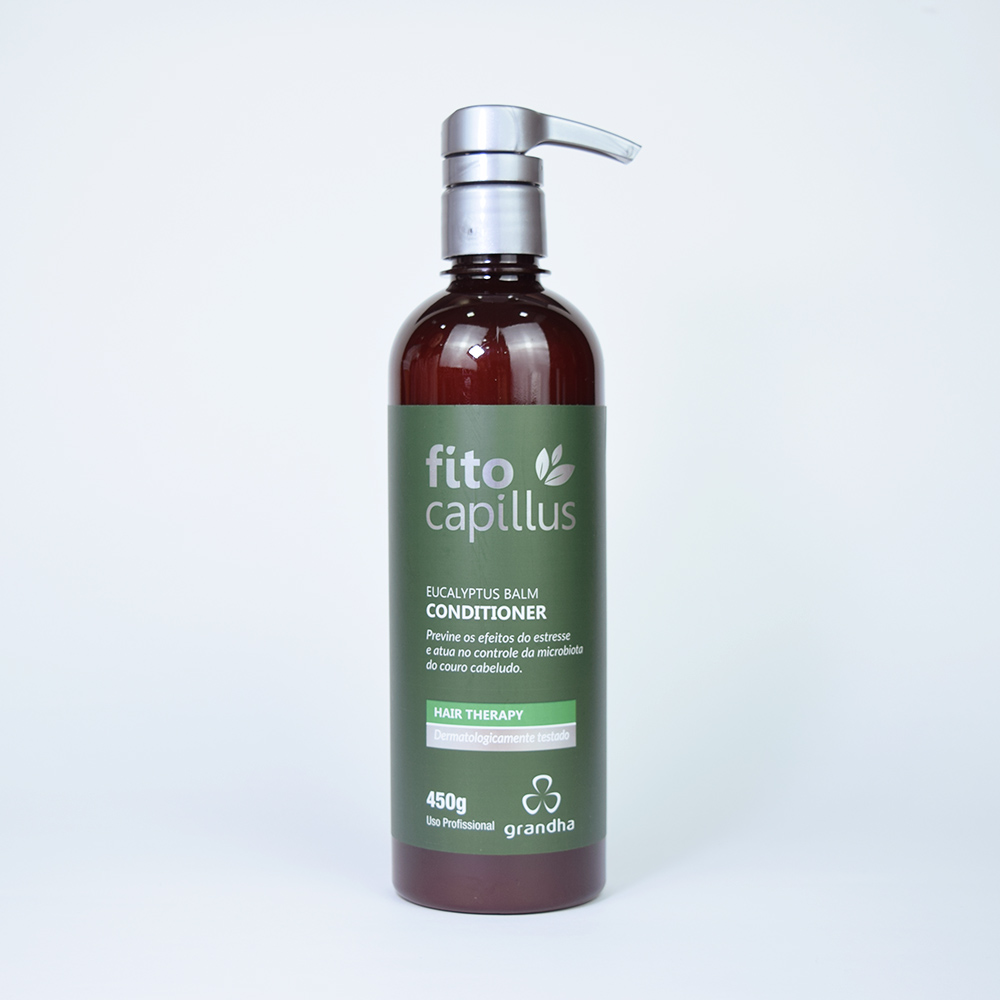
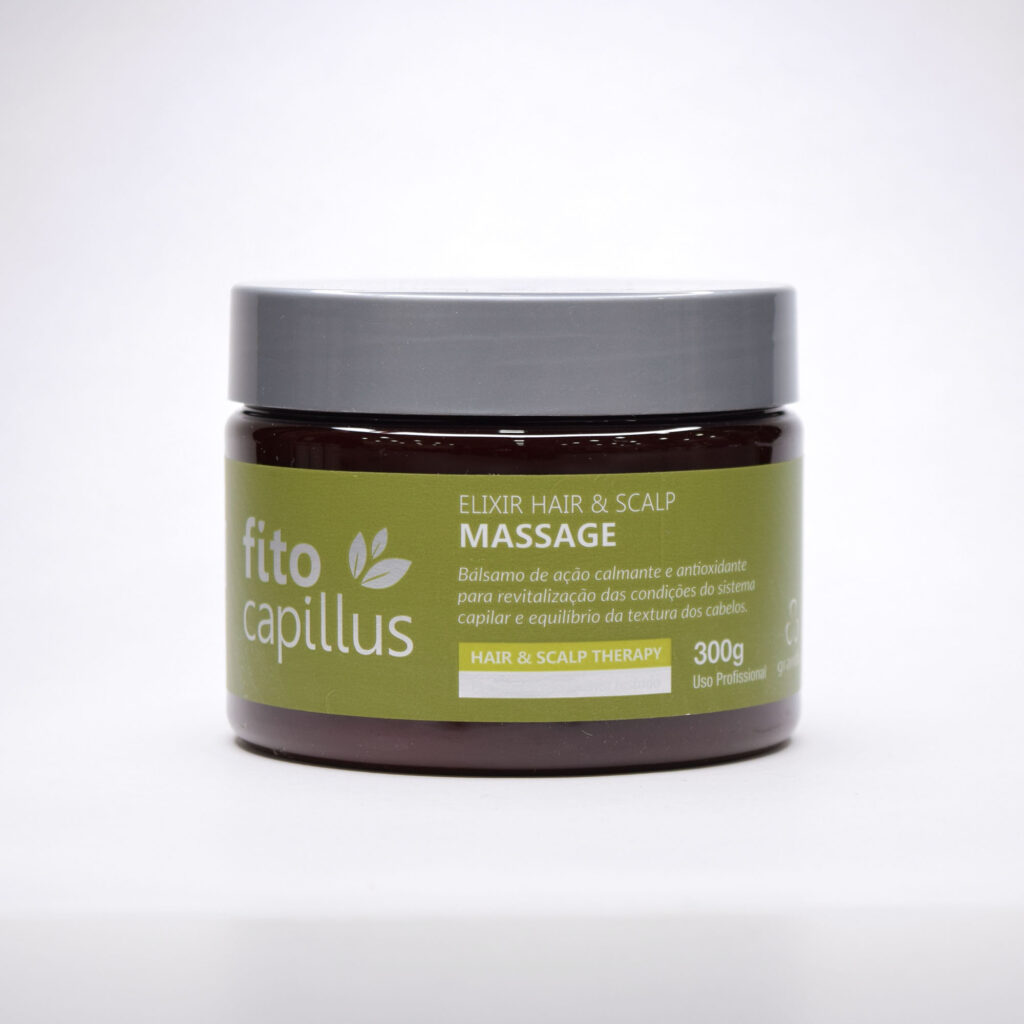
Grandha, your ally in caring for a sensitive scalp
Caring for a sensitive scalp requires patience, a change in habits, and above all, choosing products that resonate with your skin's natural needs. The Fito Capillus line from Grandha This proves that it is possible to treat hair disorders by combining cosmetic science with respect for the hair. essencial oils and other botanical ingredients.
Treating the root cause is the way to go. The safest way to ensure strong, healthy, and radiant hair!
If you experience severe symptoms, worsening symptoms, or a lack of improvement, seek guidance from a medical professional.
Frequently Asked Questions (FAQ's)
1. What are the symptoms of a sensitive scalp?
The most common symptoms include itching, redness, flaking, burning sensation, and discomfort when touching or tying the hair.
2. What can cause scalp sensitivity?
Factors such as chemical processes, stress, very hot water, excessive sun exposure, and improper use of a hairdryer can trigger sensitivity.
3. Can washing your hair with hot water worsen sensitivity?
Yes. Hot water removes the skin's natural protection, promoting dryness, irritation, and increased sensitivity.
4. How to relieve itching and irritation on the scalp?
Using water at a moderate to lukewarm or cool temperature, avoiding excessive rubbing, and choosing products specifically for sensitive scalps can help reduce symptoms.
5. When should you seek a specialist for a sensitive scalp?
If you experience severe symptoms, worsening symptoms, or a lack of improvement, seek guidance from a medical professional.