A sensitive scalp requires a special approach. Discover the causes that may be behind the discomfort, pain, and itching, and learn how botanical actives and essential oils can contribute to restoring your skin's protective barrier, returning comfort and health to your scalp.
Have you ever felt a sensation of "pain at the root"persistent itching or redness soon after washing hair Or when facing a sunny day? These are clear signs of a sensitive scalpUnlike a serious illness, Sensitivity is a state of imbalance., where the skin's protective barrier is altered, causing it to react intensely to external stimuli.
In this article, we'll understand what causes this condition and how to restore the comfort of your hair's ecosystem. Read on!
How to identify a sensitive scalp?
Warning signs of a reactive scalp They can emerge gradually.To determine if this applies to you, analyze the most common symptoms observed in hair assessment protocols:
- Pain (trichodynia): A feeling of discomfort when tying up the hair or even just touching the roots.
- Redness (Erythema): Pink or reddish spots in specific areas.
- Dryness: A feeling that the skin is "stretched" or too dry.
- Fine Desquamation: Unlike oily dandruff, the flaking is fine, whitish, and has a "crumbly" (furfuraceous) appearance.
the scalp It is one of the most Rich in nerve endings and blood vessels. Their sensitivity can be triggered by:
- Pollution and Climate: The accumulation of polluting particles and exposure to abrupt temperature changes (air conditioning or very hot showers) dehydrate the region.
- Chemical Procedures: Colorations, bleaching and straightening They can compromise the pH balance of the scalp.
- Deep cleansing shampoos: The use of extremely cleansing shampoos can excessively remove the scalp's natural lipid protection.
- Stress and Anxiety: The nervous system is directly linked to the skin; periods of stress can increase the release of inflammatory mediators, making the area more sensitive.
Essential care to soothe and protect
Treating a scalp sensitive requires a "less is more" approach, focus on protocols to promote the soothes and restores the skin barrier. (hydrolipidic mantle), the scalp's natural protection.
Choose special shampoos
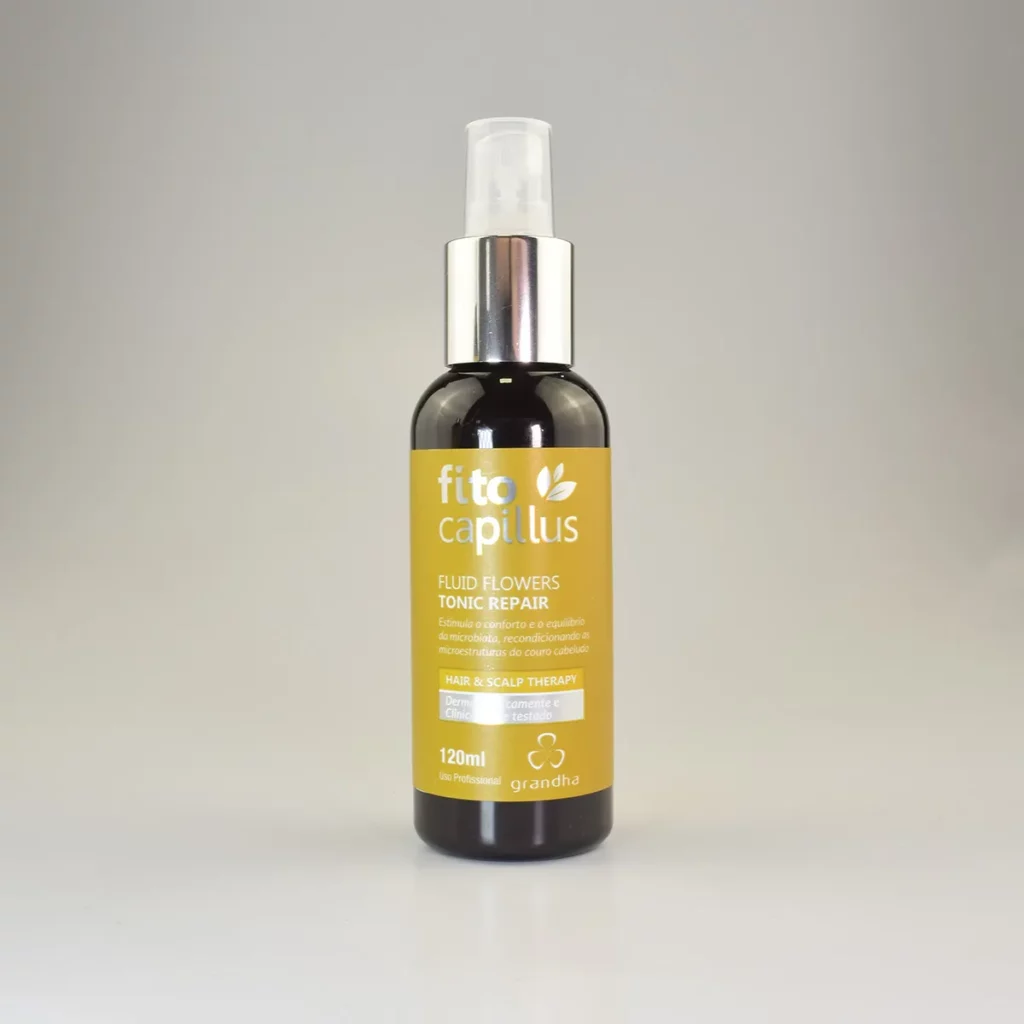
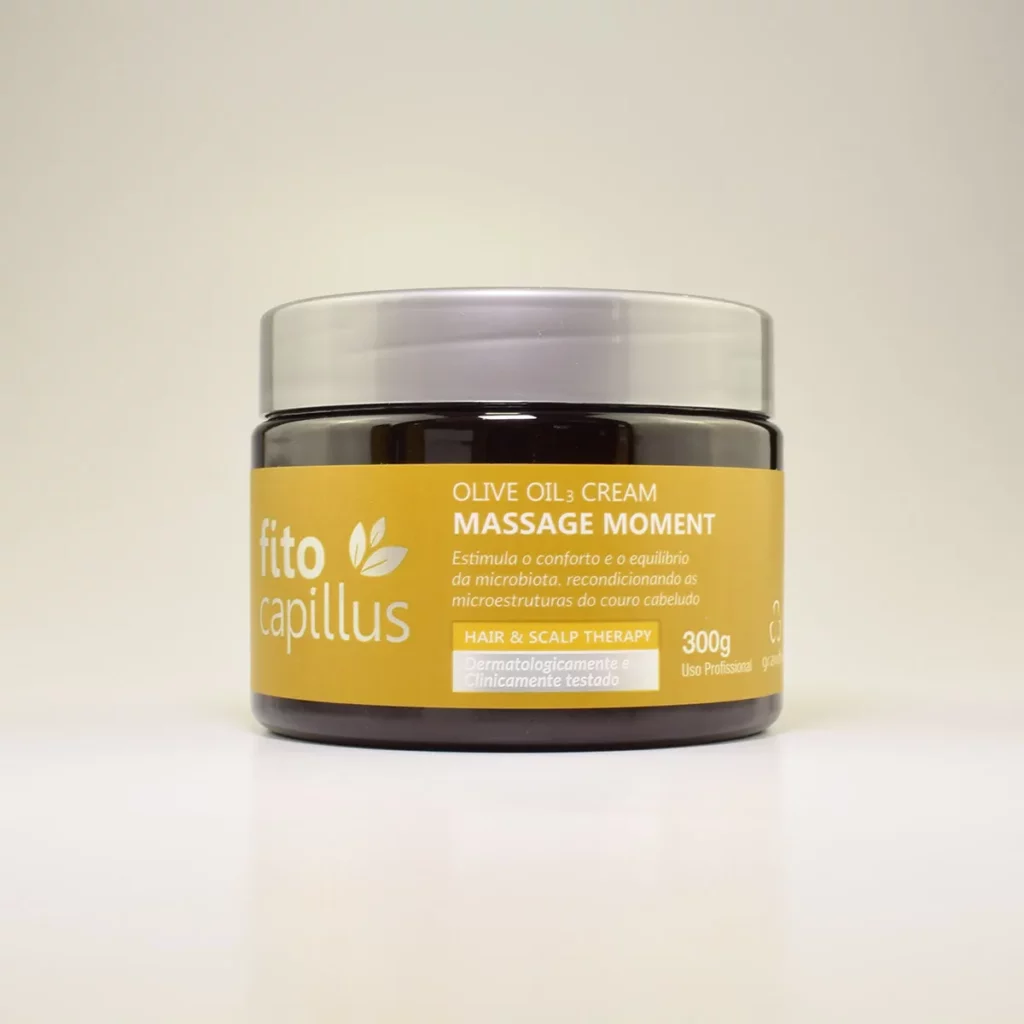
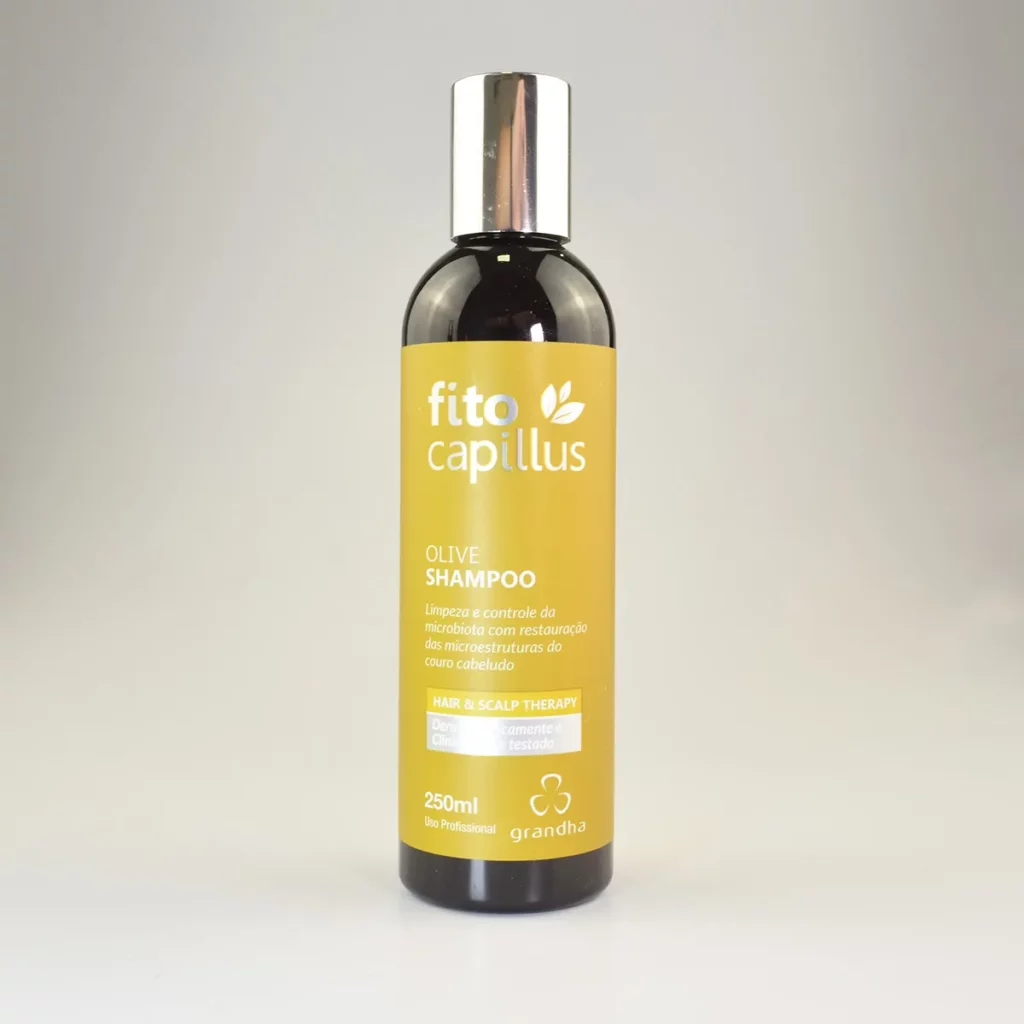
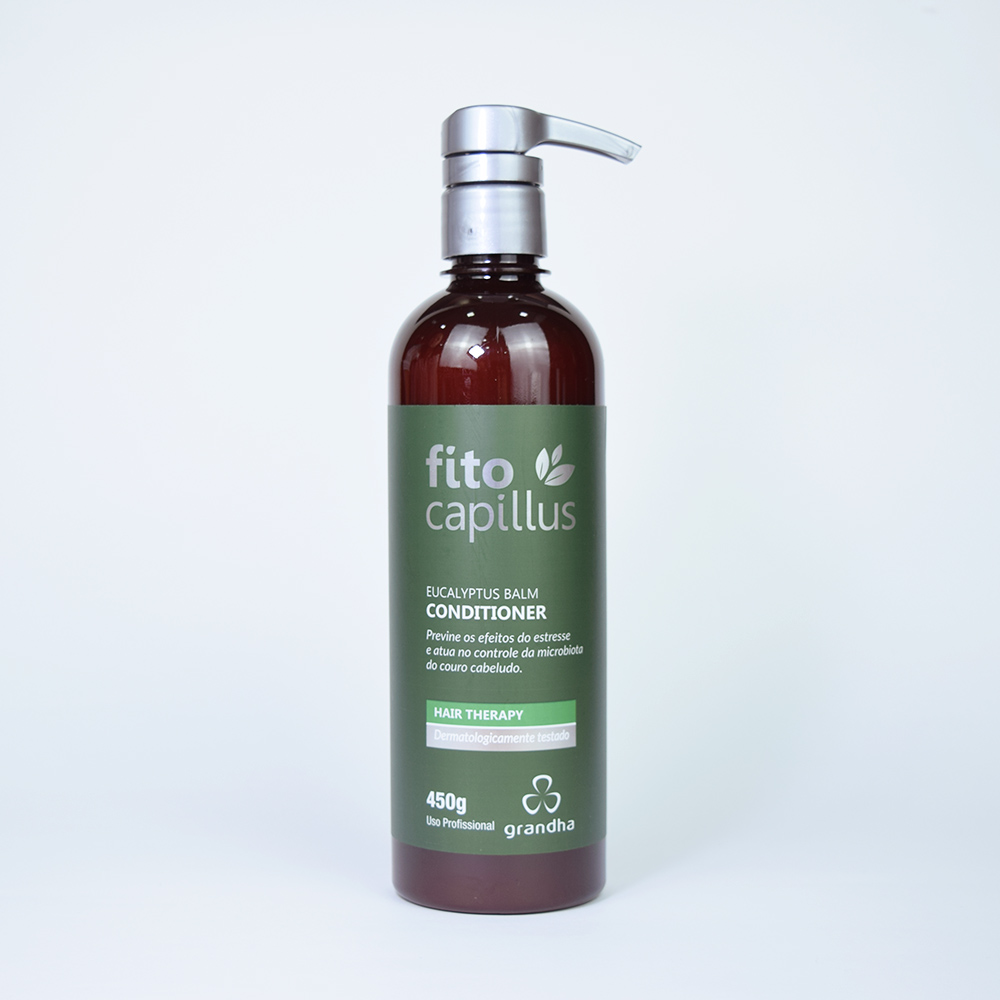
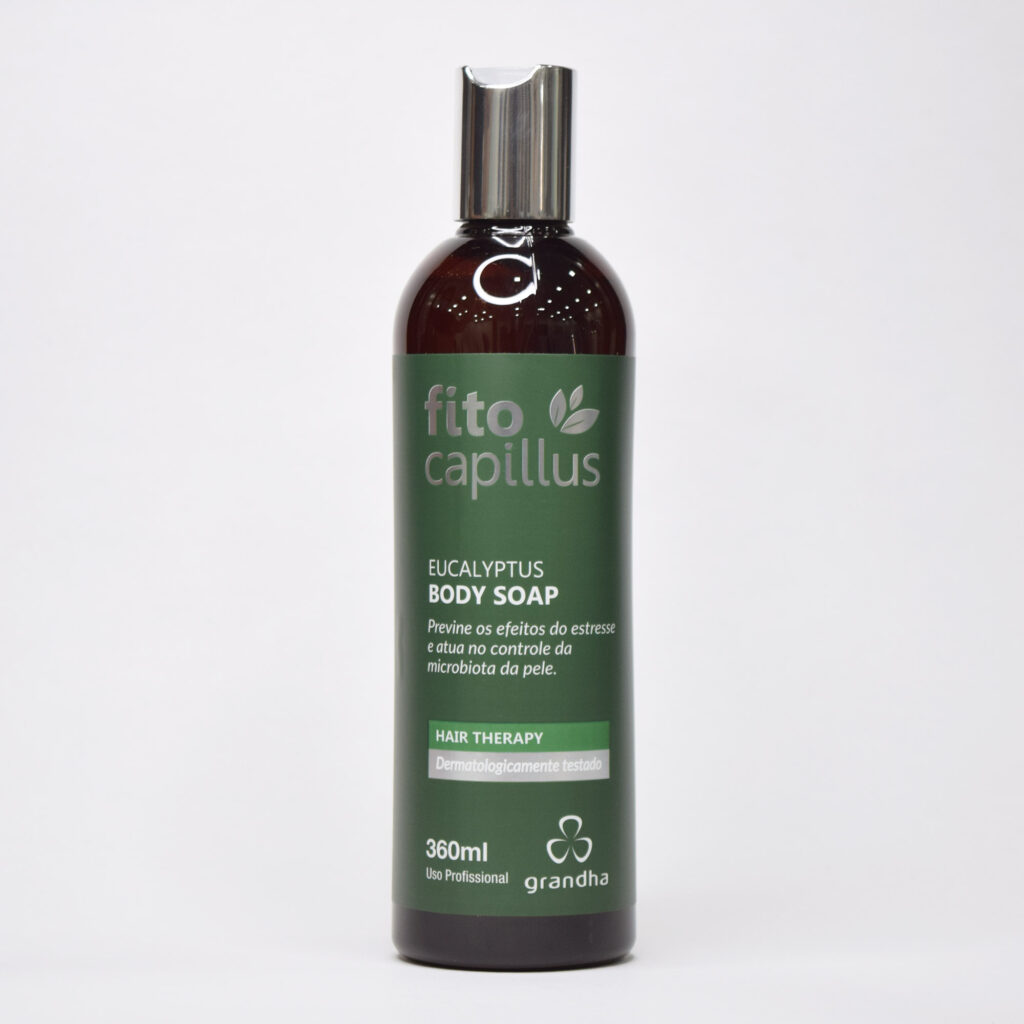
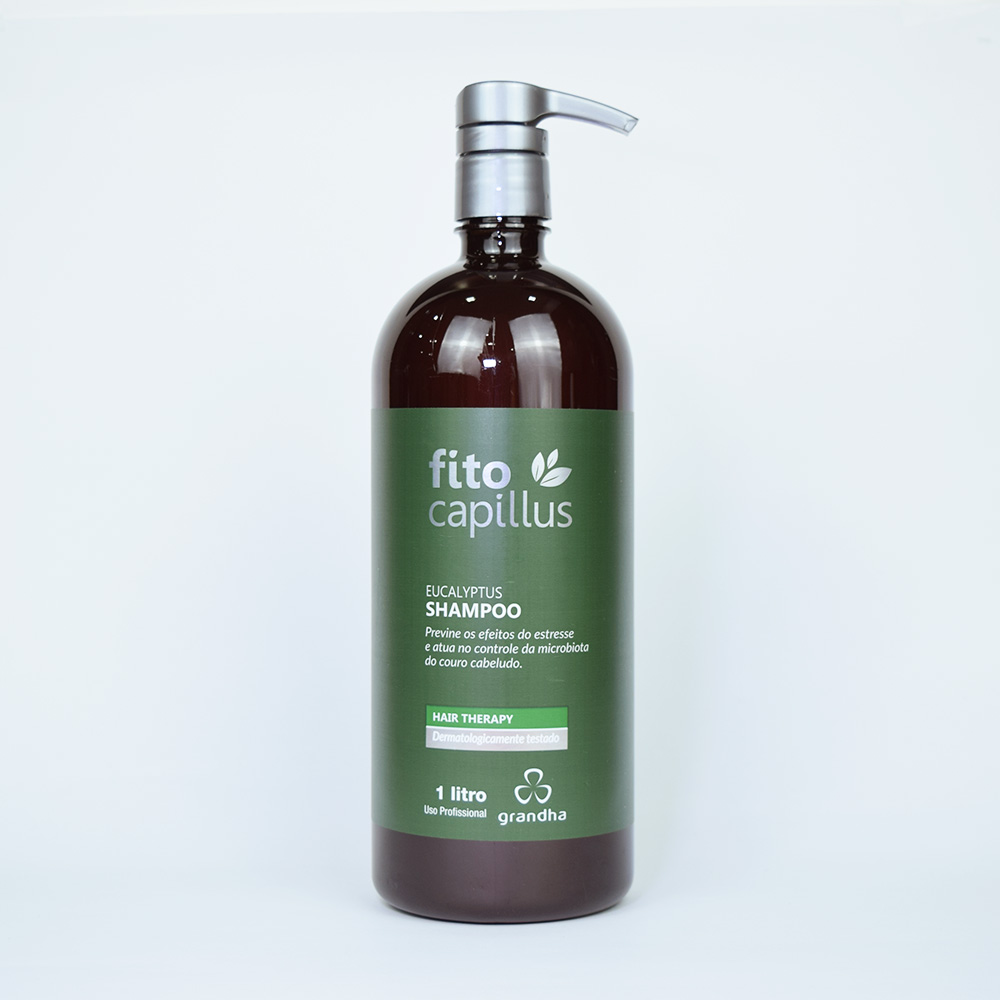
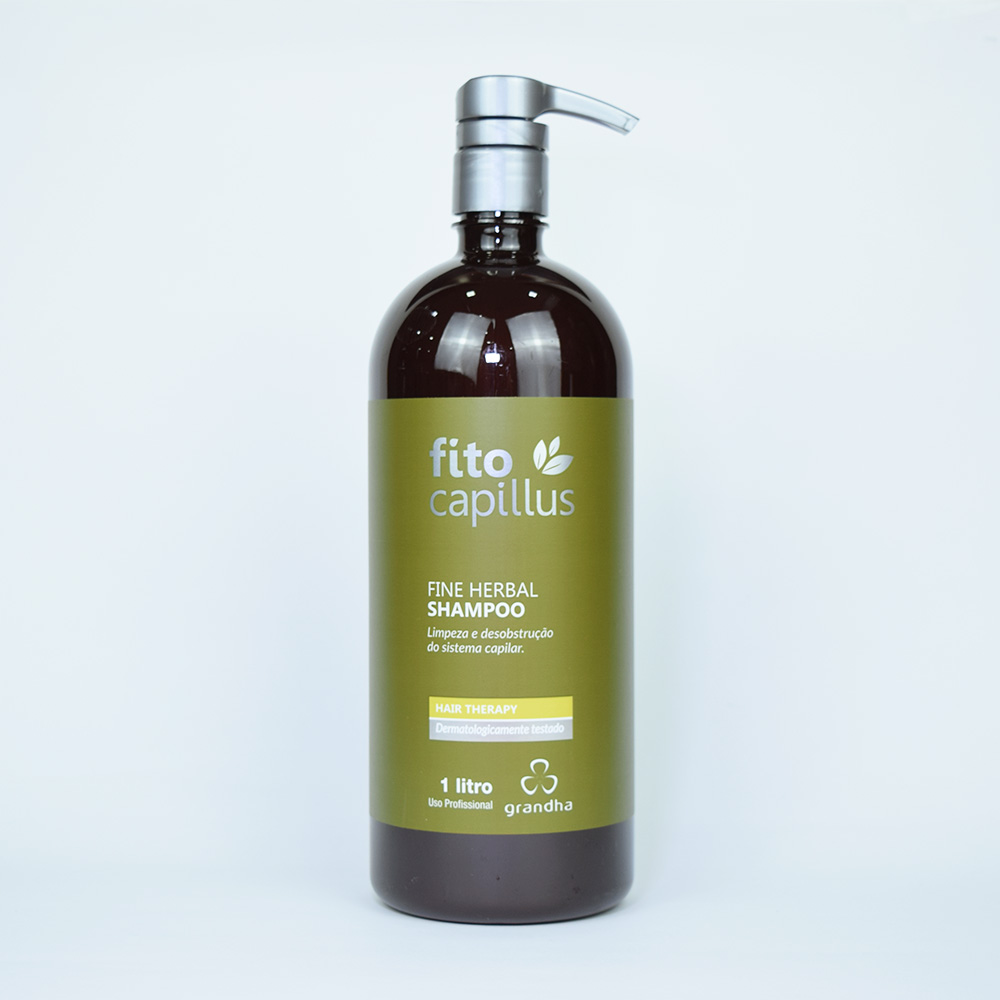
Opt for gentle cleansing formulas., known as more “moisturizing” shampoos and that have in their compositions therapeutic active ingredientsThese special shampoos have anti-inflammatory and refreshing properties, and can help relieve pain and itching, such as French lavender essential oil, camphor, and menthol. They clean without removing excessive oil., maintaining the beneficial lipid barrier which prevents the penetration of irritating and inflammatory agents (maintains the balance of the skin's microbiota).
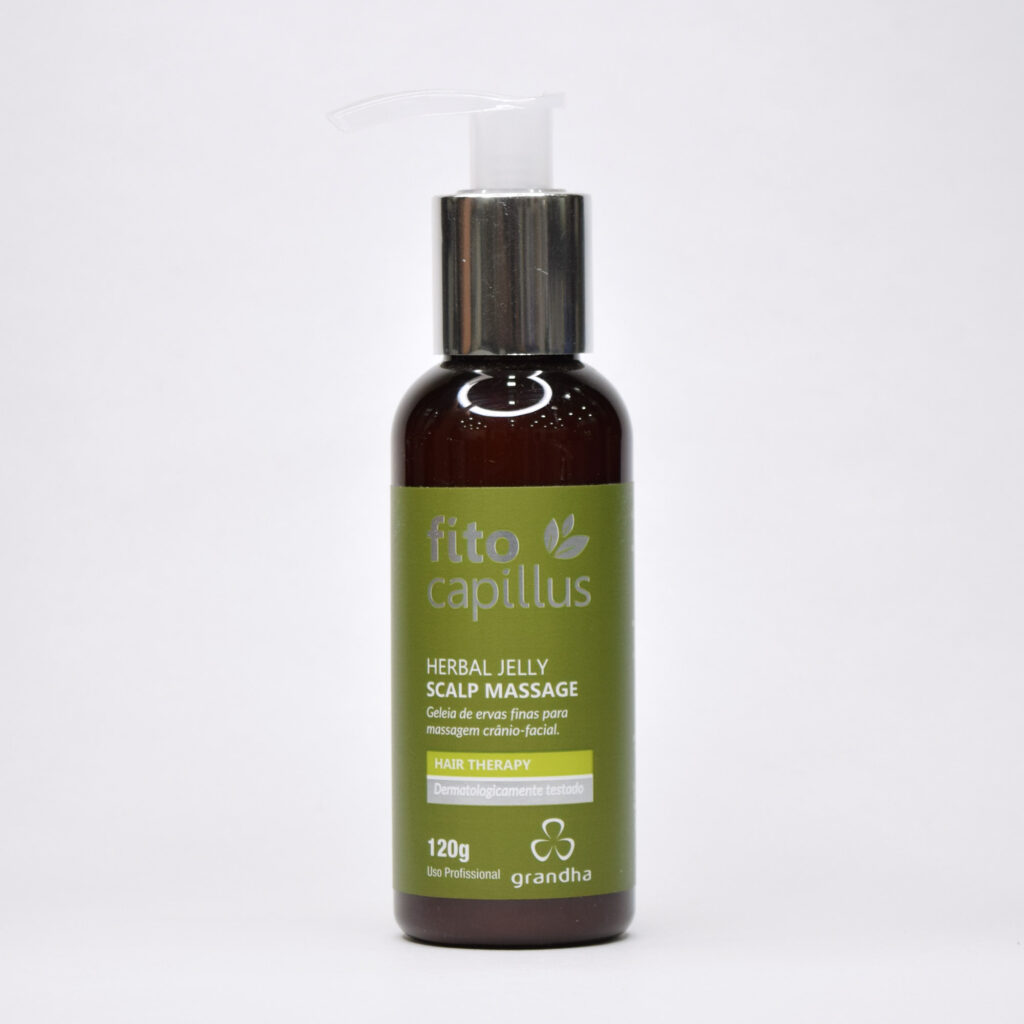
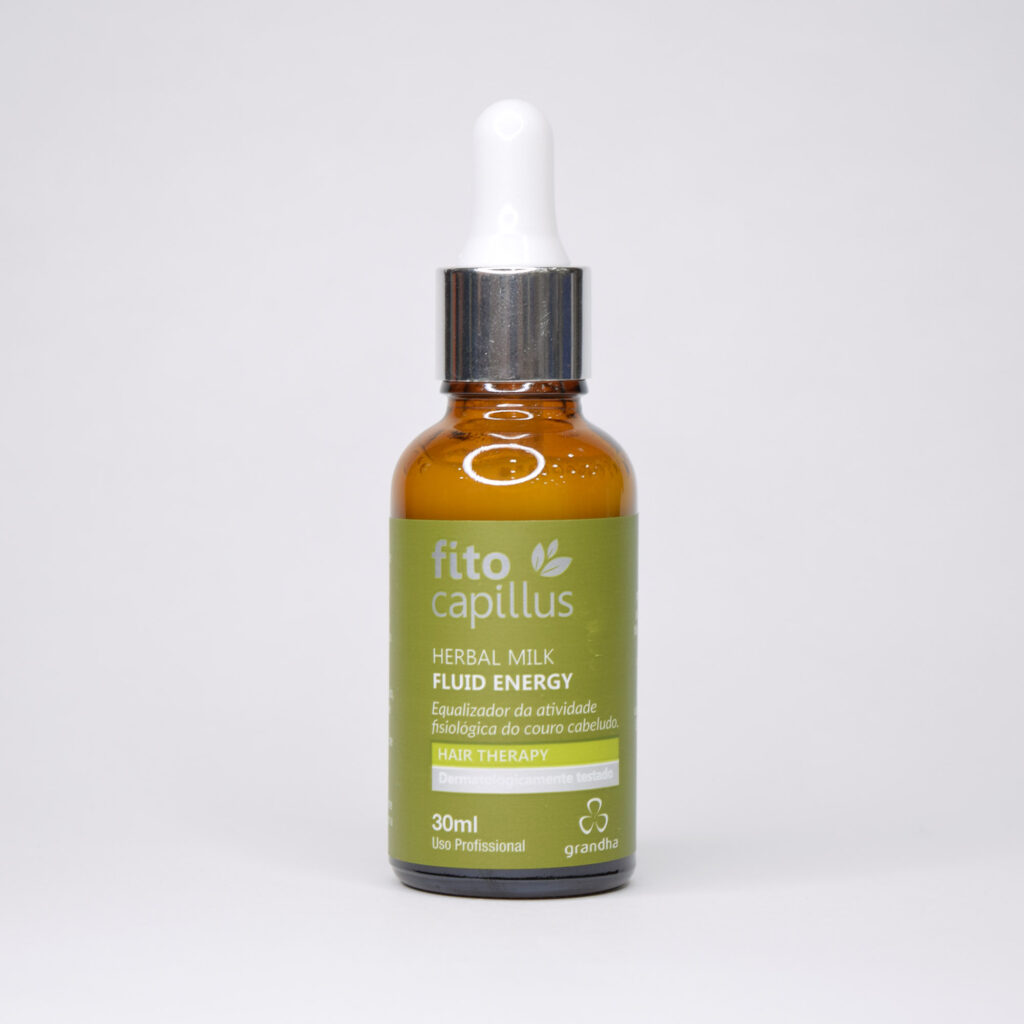
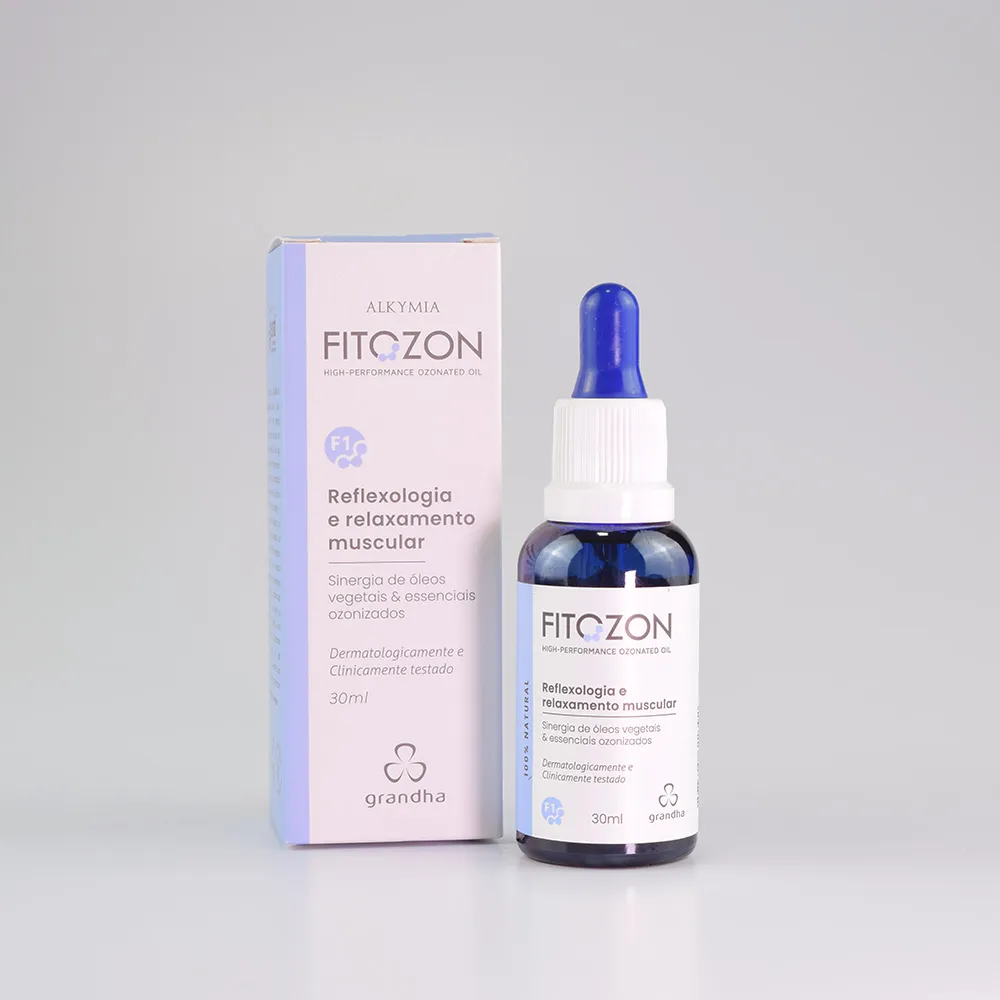
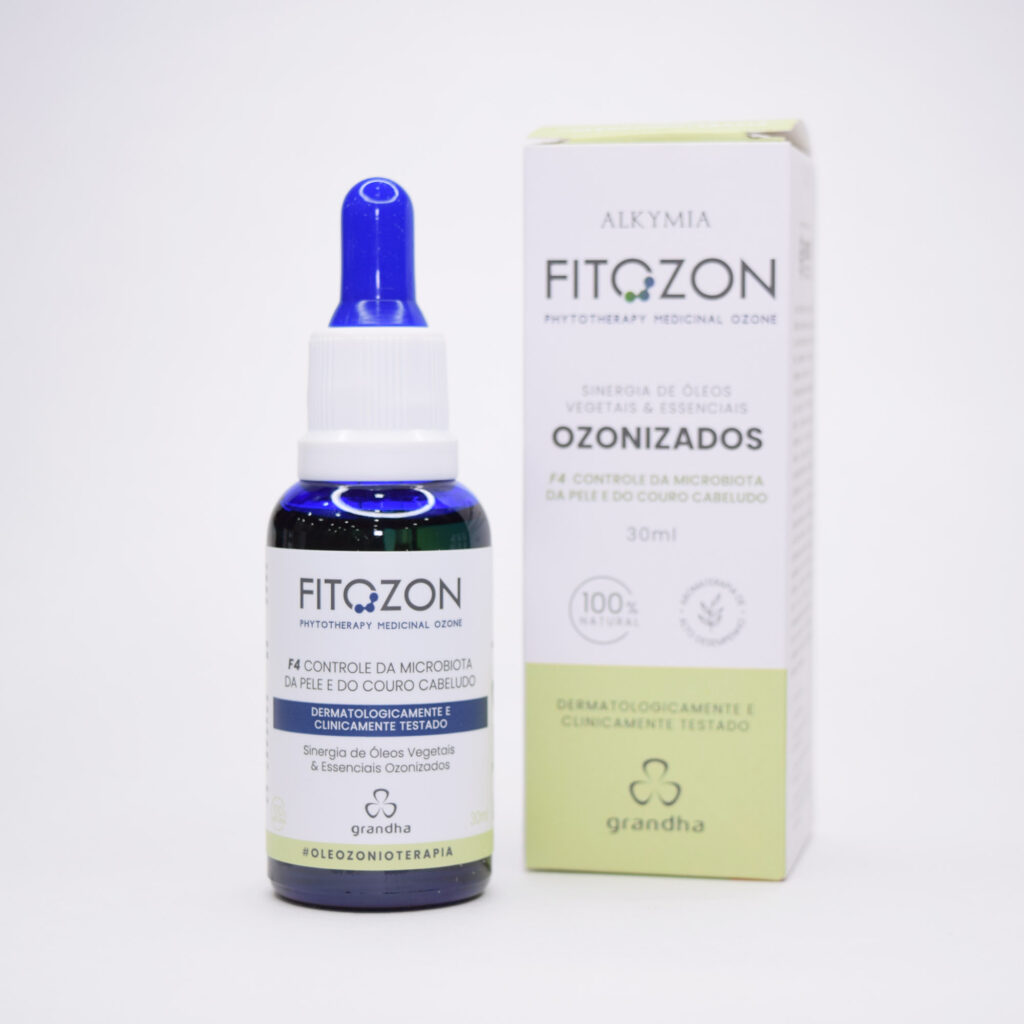
Bet on Essential Oil Therapy
A nature offers assets Powerful for calming. The Lavender Oil and Chamomile Oil They are references in hair therapy for reduce inflammation and promote relaxation of the dermis.
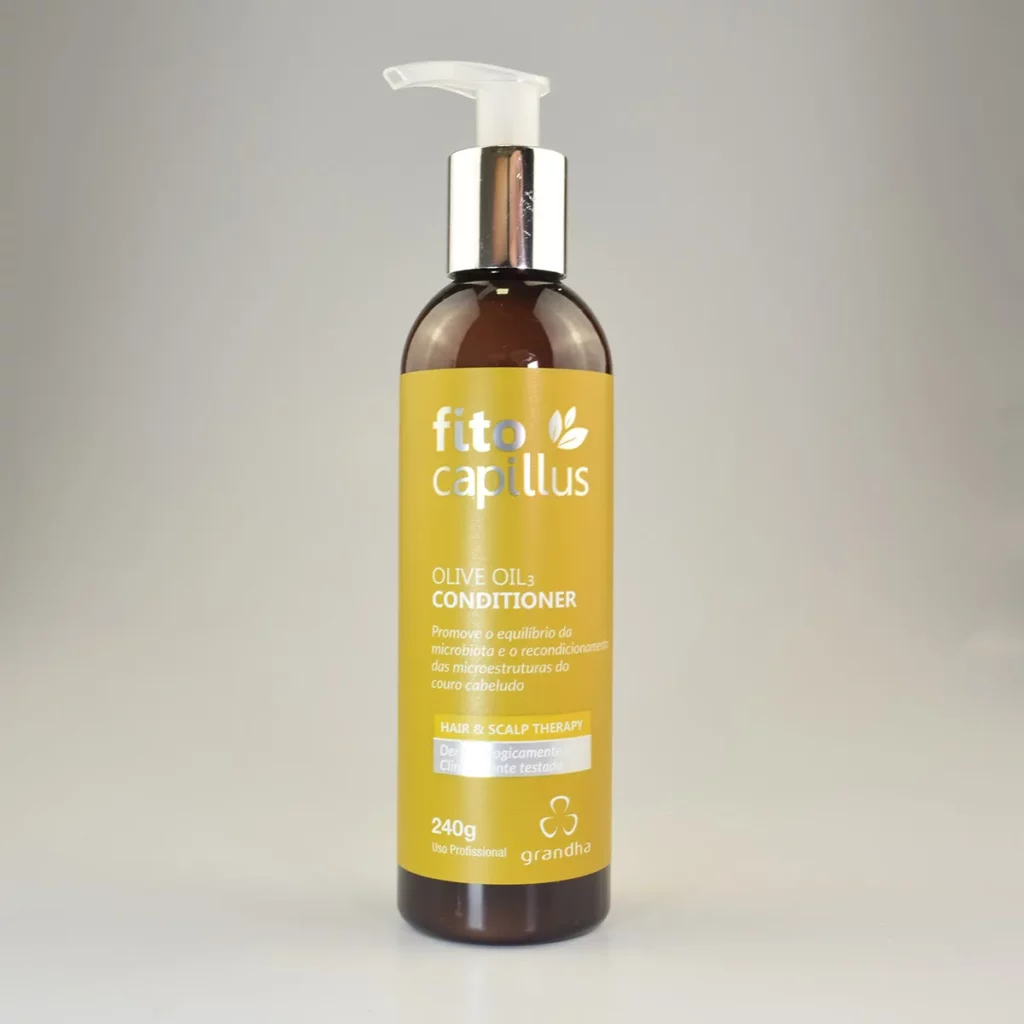
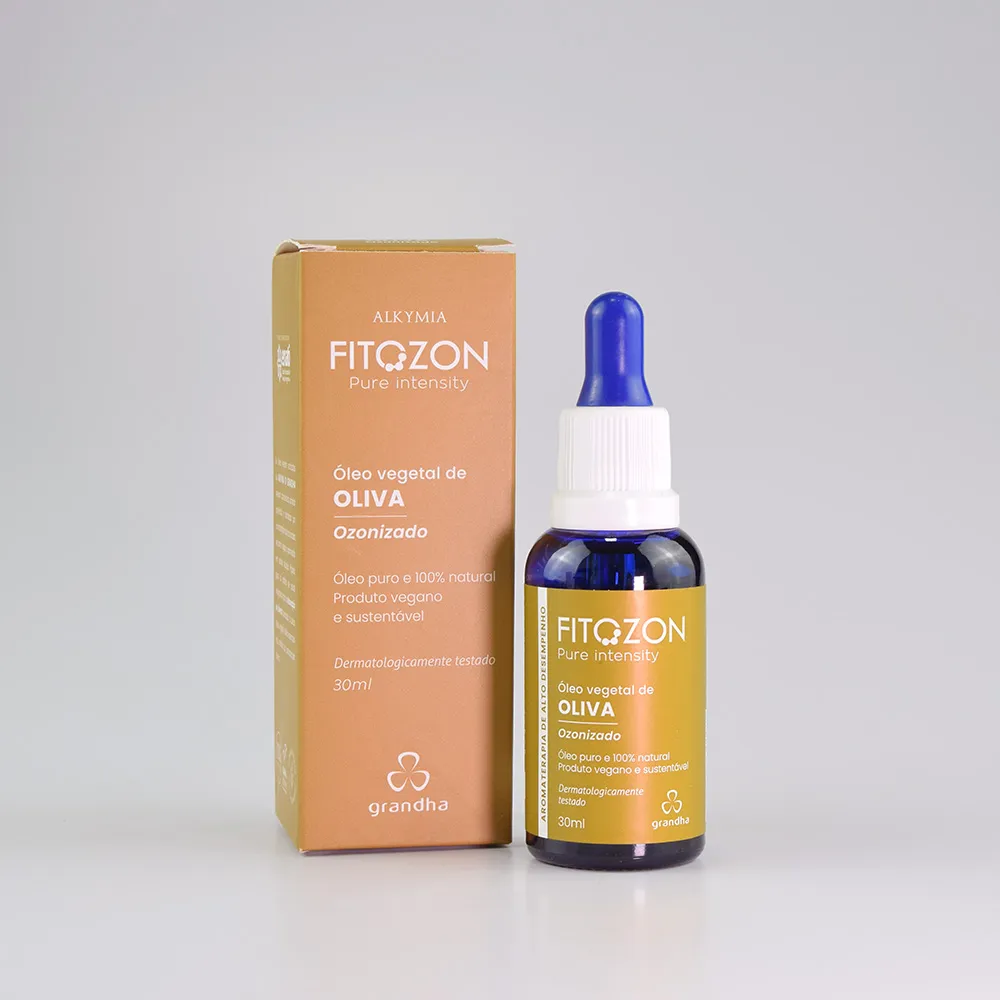
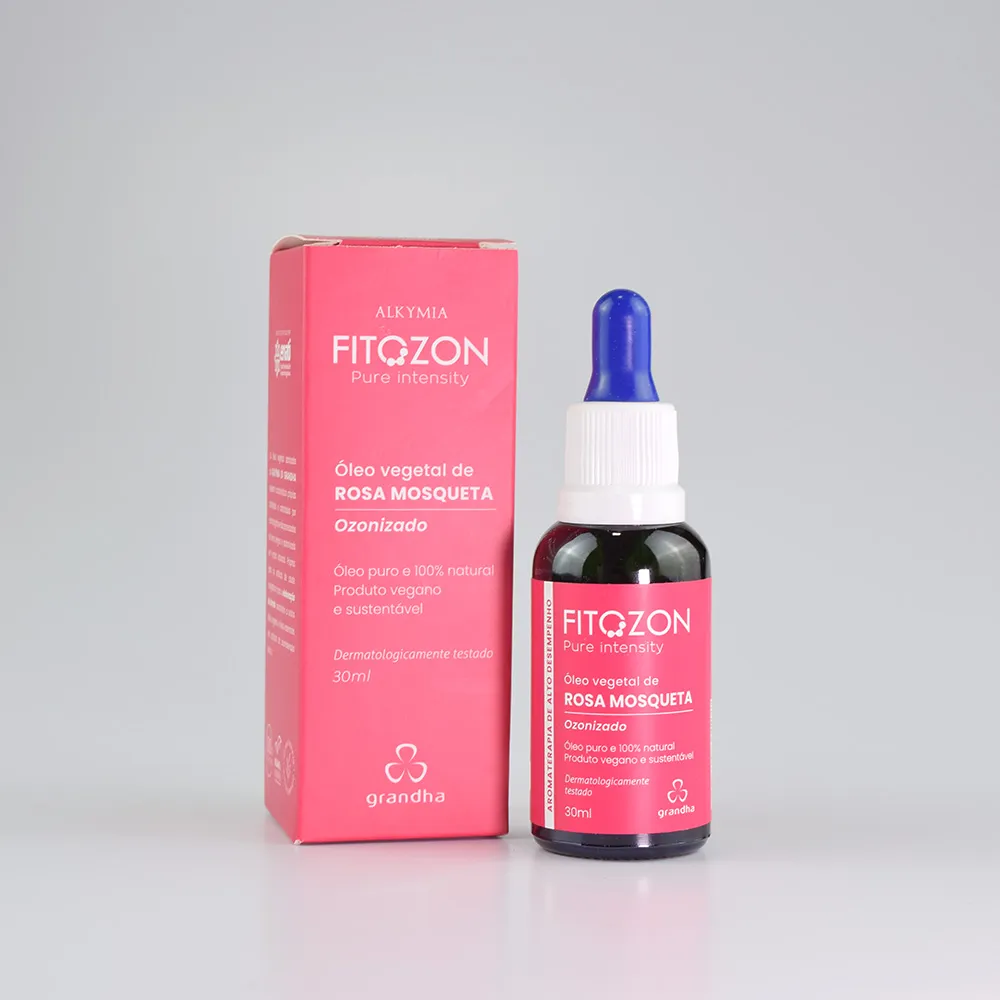
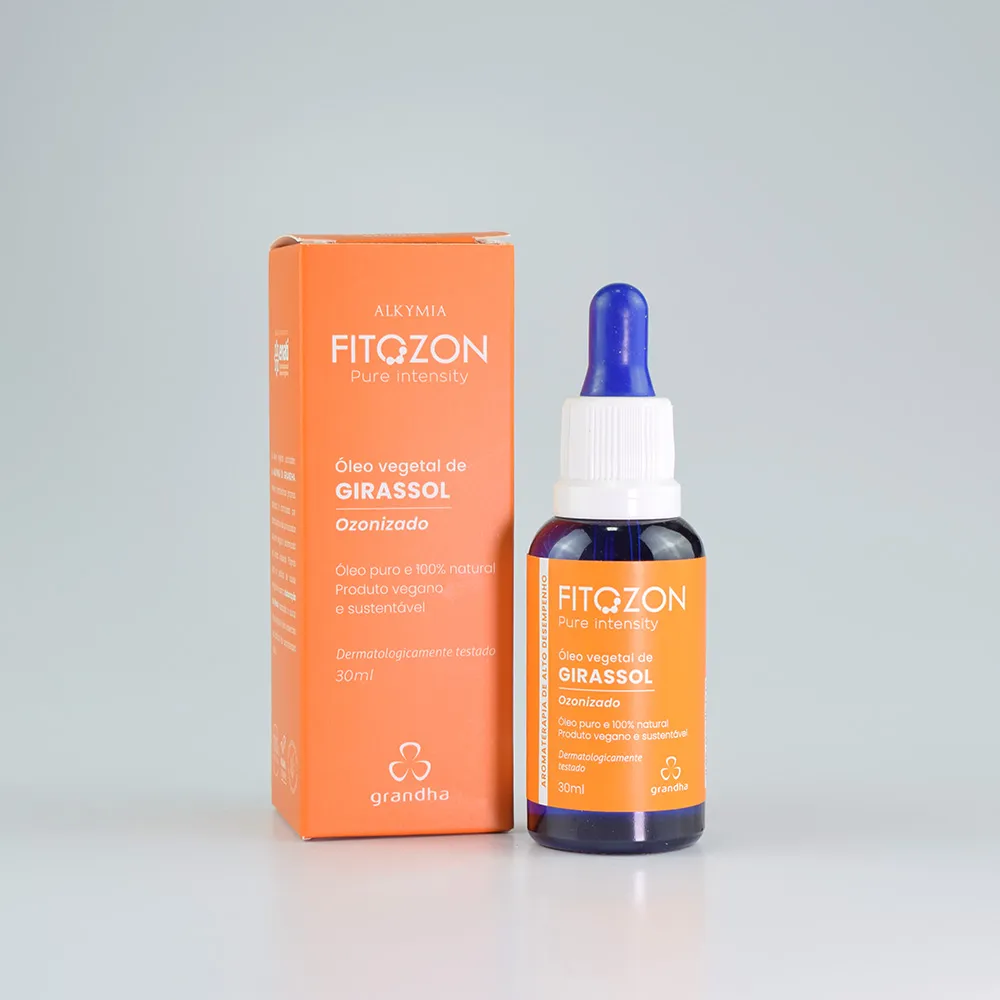
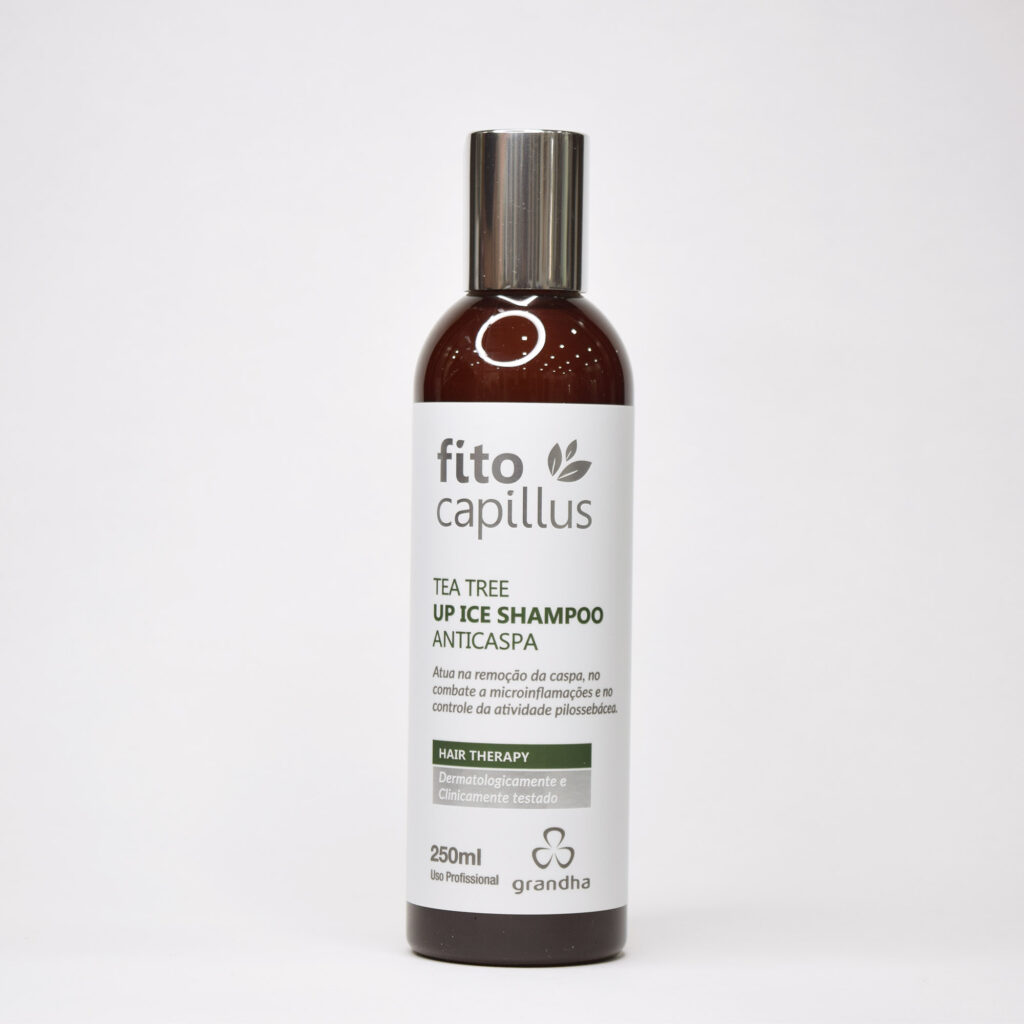
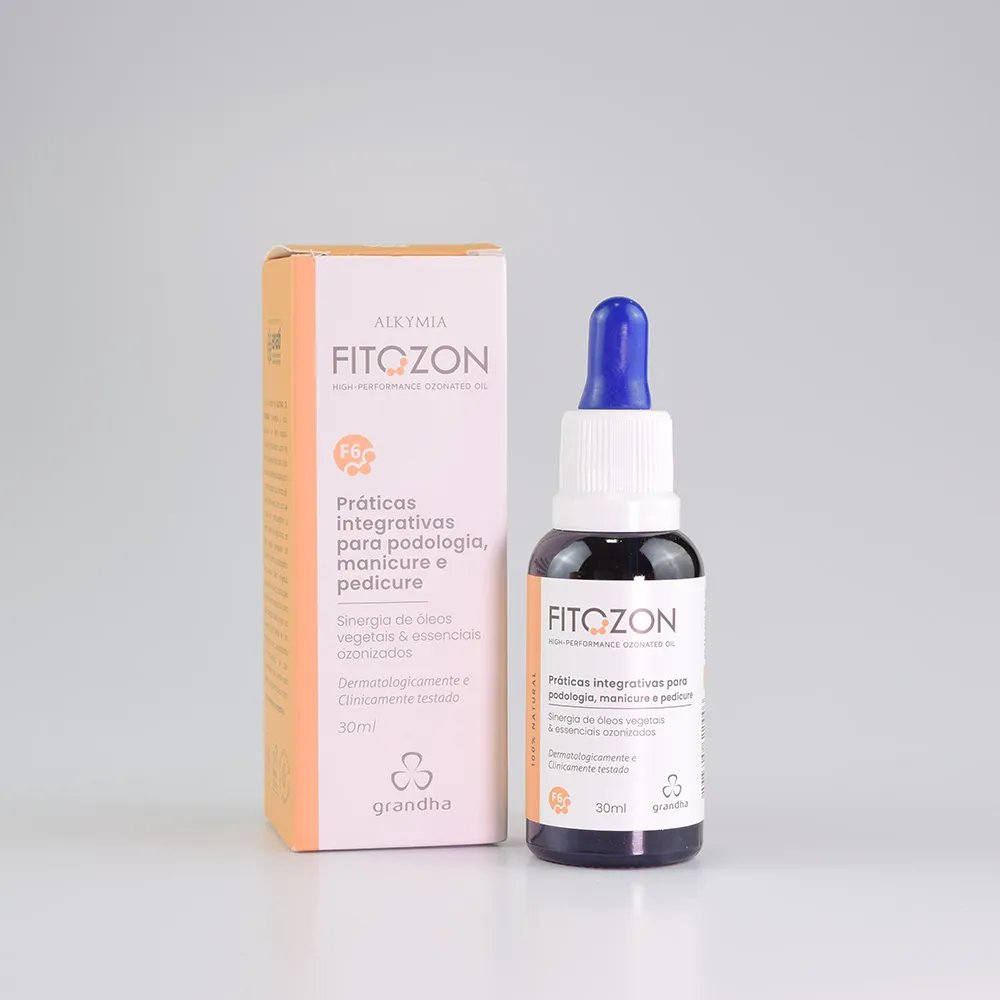
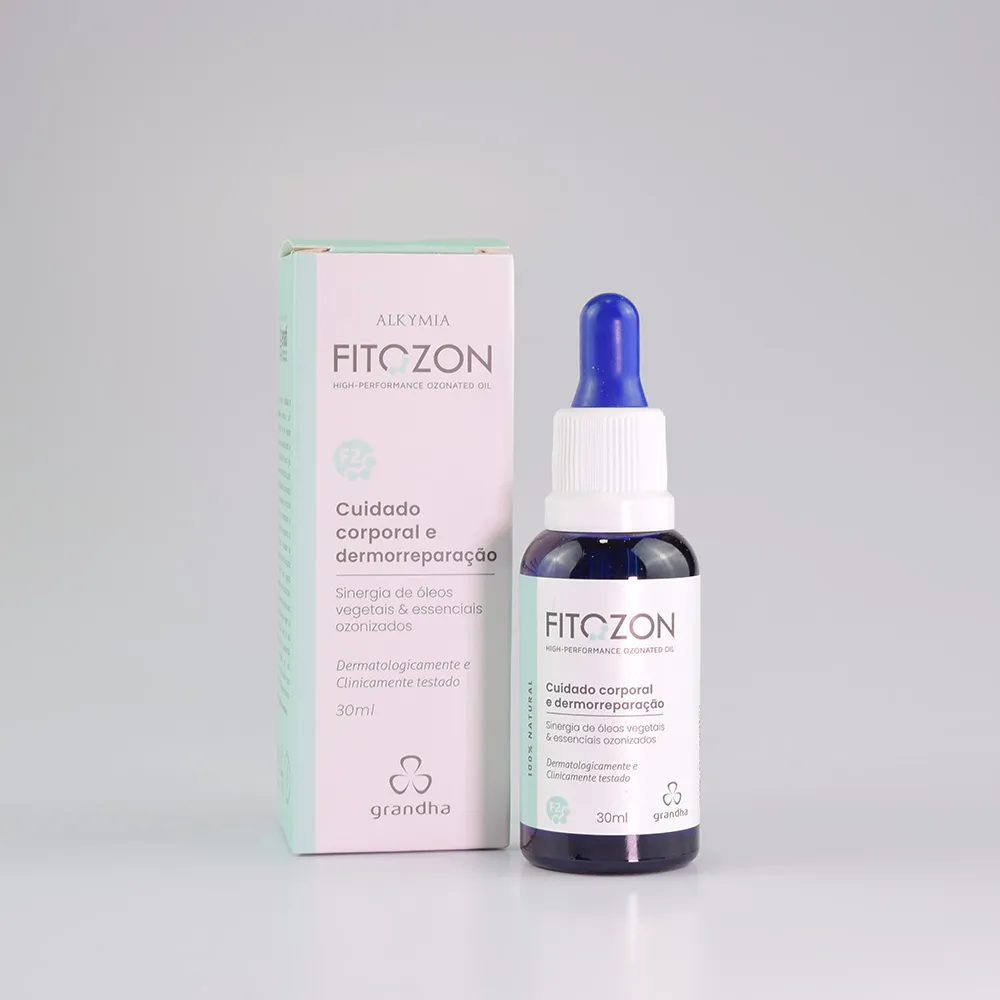
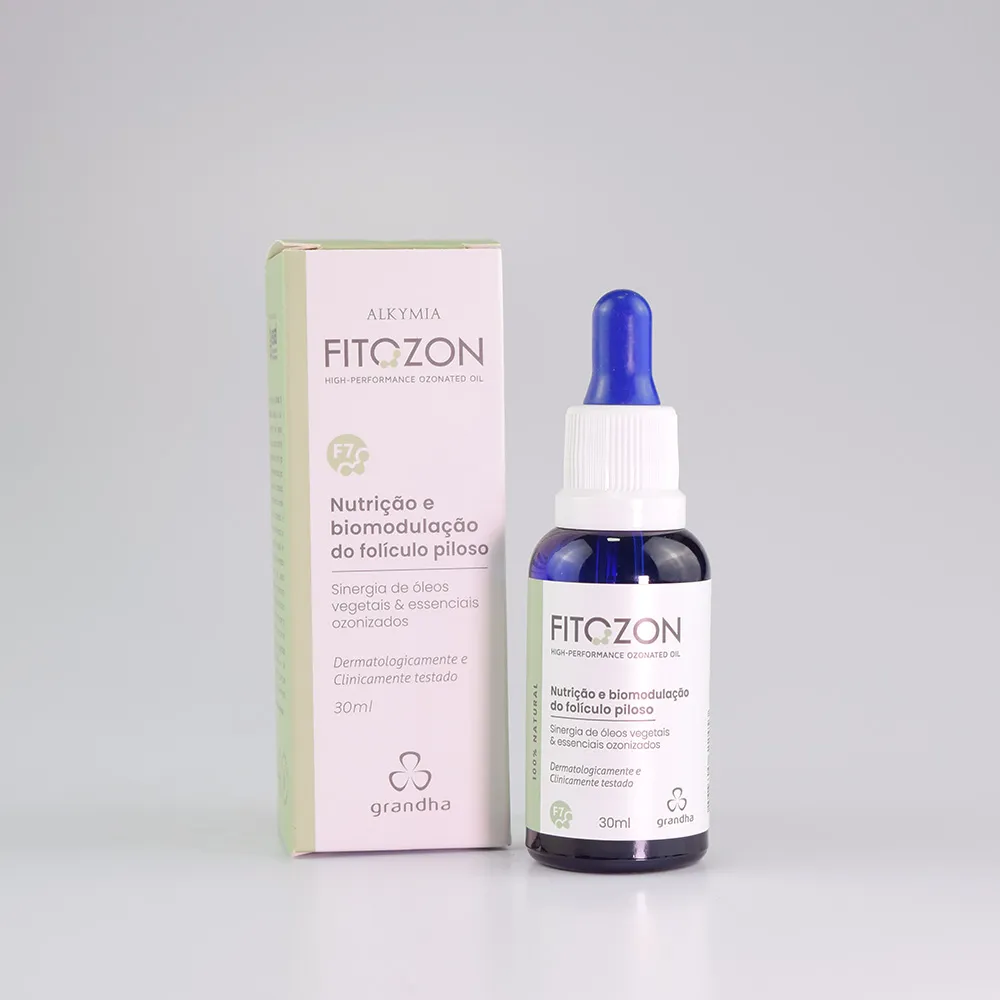
Pay attention to the water temperature.
Hot water is a villain for those with sensitivities. Always use warm or cold water for avoid excessive vasodilation and dryness of the skin.
Hair Sun Protection
Just like the face, the top of the head is also affected by UV radiation. If you have thin hair or light-colored hair, Use hats or finishing products with thermal and sun protection. when exposed to the sun.
Balance is the Key
A sensitive scalp is not just a passing inconvenience, but a... This is a sign that your first line of defense needs reinforcement. By adopting habits of hair therapy e choose products with formulations containing active ingredients that have therapeutic effectsBy using herbal remedies that are less aggressive, you restore well-being to your routine and ensure a healthy environment for the growth of strong hair.
Treat a sensitive scalp It is, above all, a An exercise in observation and patience.Understanding that healthy hair begins with a balanced scalp is what differentiates palliative care from... a true hair therapy.
By prioritizing ingredients that soothe and restore the skin barrier, you not only help treat discomfort, but also build the necessary foundation for hair to grow strong and vibrant.
Remember: the beauty of your hair is a reflection of a healthy scalp.
FAQ
1. What is a sensitive scalp?
It is a state of hyper-reactivity of the scalp skin, where the natural protective barrier is weakened, making the area more vulnerable to external stimuli that would not normally cause irritation.
2. What are the symptoms of a sensitive scalp?
The main signs include redness (erythema), persistent itching, burning sensation, "pain at the root" when tying up the hair, and in some cases, dryness that even leads to fine flaking.
3. What causes a sensitive scalp?
It can be caused by external factors (pollution, sun, very hot water, chemicals applied without professional care), internal factors (stress, hormonal changes), and even inadequate diet.
4. How to care for a sensitive scalp on a daily basis?
Use shampoos with balanced cleansing properties and active ingredients that promote therapeutic calming and refreshing effects, wash your hair with lukewarm or cold water, avoid excessive friction when drying, and opt for tonics and products containing calming essential oils, such as lavender and chamomile (found in the Flores & Vegetais line). Grandha (Refresh and Flowers)
5. Can a sensitive scalp cause hair loss?
Yes. Chronic sensitivity creates a perifollicular inflammatory microenvironment, which can weaken the hair follicle, leading to premature hair loss or disrupting the natural growth cycle.