

Does Shampoo for Alopecia Areata Work? Shampoo does not replace autoimmune medical treatment, but it is essential for reducing inflammation, cleansing, and preparing the scalp. Learn about the therapeutic support offered by the Urbano Spa line from [Brand Name]. Grandha.
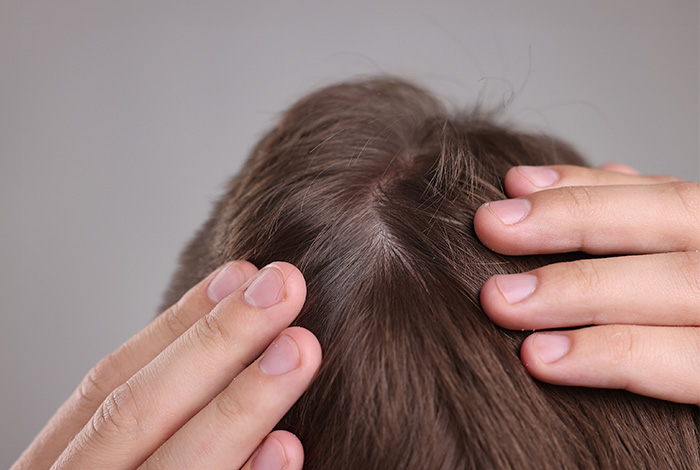
Dealing with sudden hair loss in specific areas of the scalp generates intense doubts and concerns. When the diagnosis points to alopecia areata, an autoimmune and inflammatory condition, the search for immediate treatment is inevitable.
It is common for many people to turn to the cosmetics shelf in search of a shampoo for alopecia areata that promises a cure or immediate hair regrowth.
But what exactly is the role of a specialized shampoo in the context of an autoimmune disease? Learn about the scientific limitations and benefits of this type of care and how it fits into an integrative hair health strategy.
What is alopecia areata and how does it affect the scalp?
Unlike common baldness (androgenetic alopecia), which is linked to hormonal and genetic factors, alopecia areata is an inflammatory disease in which the immune system mistakenly attacks hair follicles during their growth phase.
In perifollicular attack, acute inflammation occurs around the hair bulb, abruptly interrupting the hair's life cycle and causing it to fall out in large quantities in specific areas (rounded patches).
Emotional factors and severe oxidative stress often act as triggers or potentiators of crises.
Although the cause is immunological, maintaining the integrity, cleanliness, and balance of the skin where the follicles are located is essential to aid in the prescribed medical treatment.
The Real Role of a Shampoo for Alopecia Areata
It is crucial to clarify that no shampoo has the power to stop an autoimmune response on its own or to replace specialized medical care. However, a good shampoo to help with episodes of alopecia areata can play vital supportive roles:
- Therapeutic and Anti-inflammatory Hygiene: A scalp affected by inflammatory processes needs a gentle cleansing that does not damage the skin barrier, but helps to control local oxidative stress.
- Follicular Terrain Preparation: By removing residue and regulating the microbiota, the shampoo ensures that the hair follicle remains free of blockages, allowing for the perfect absorption of special tonics and therapeutic products.
- A Sensation of Comfort and Relief: Therapeutic active ingredients in the formulation help soothe sensitivity, itching, or discomfort common in areas of active alopecia.
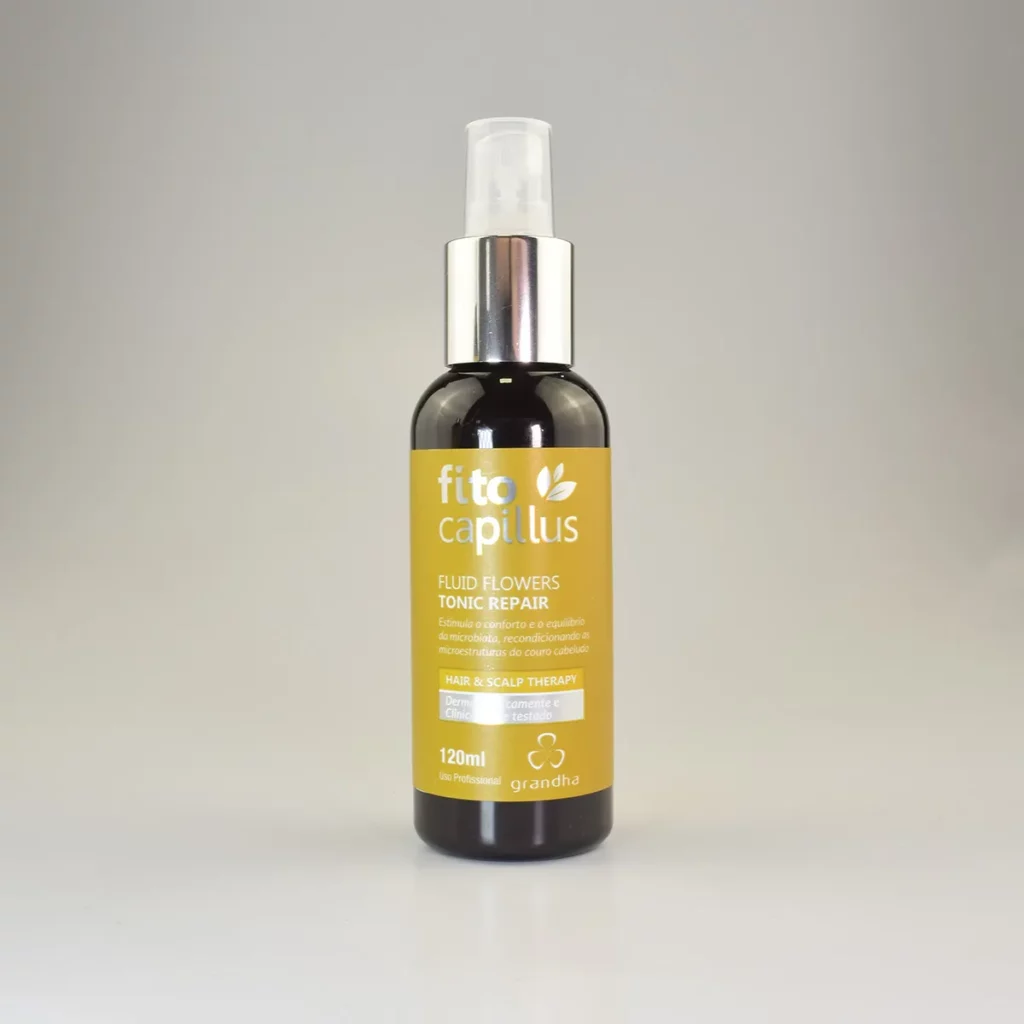
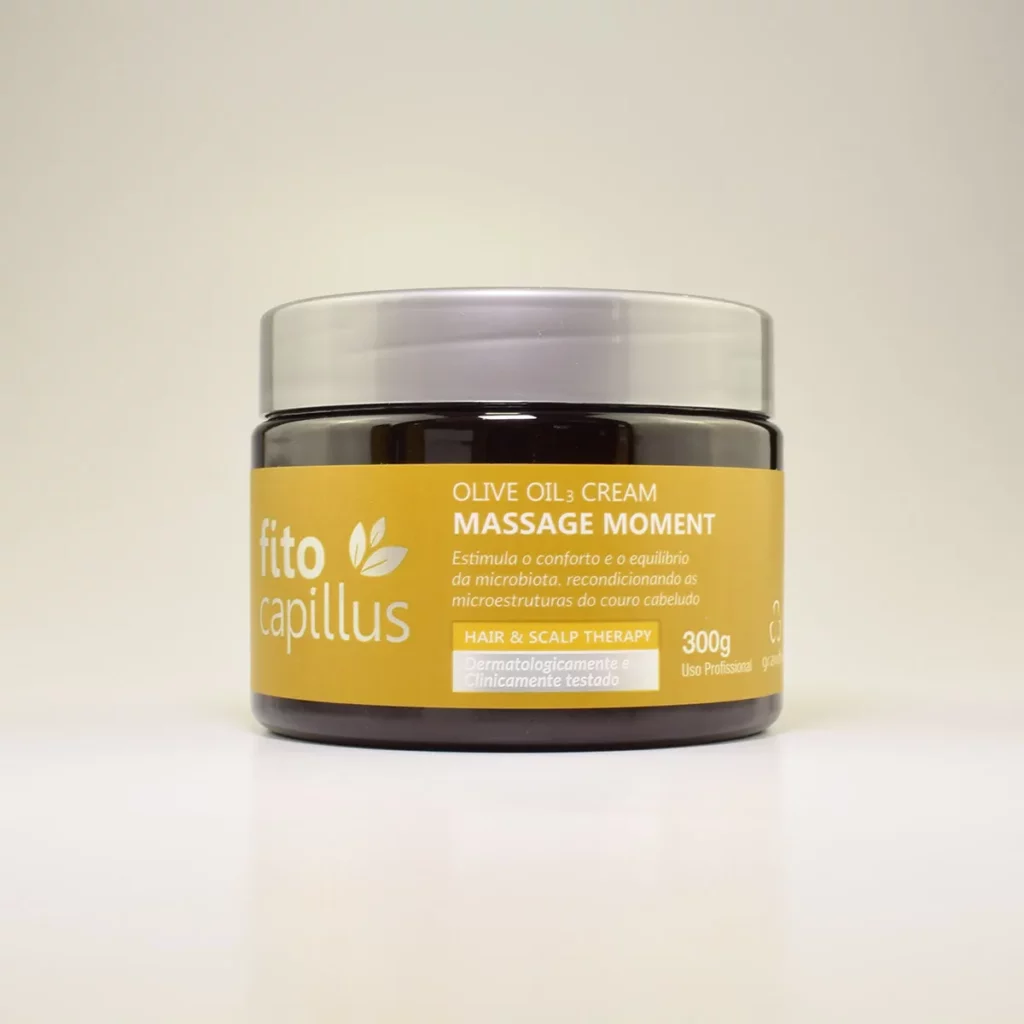
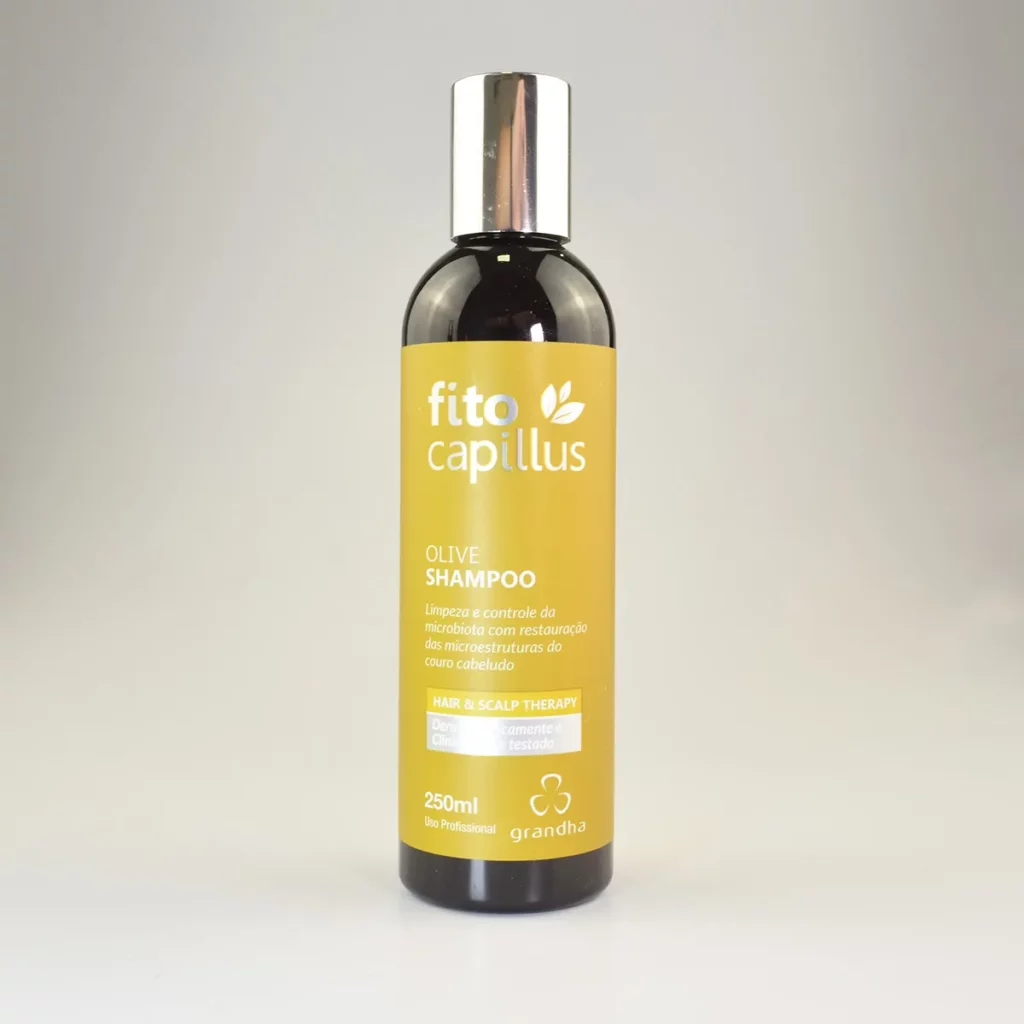
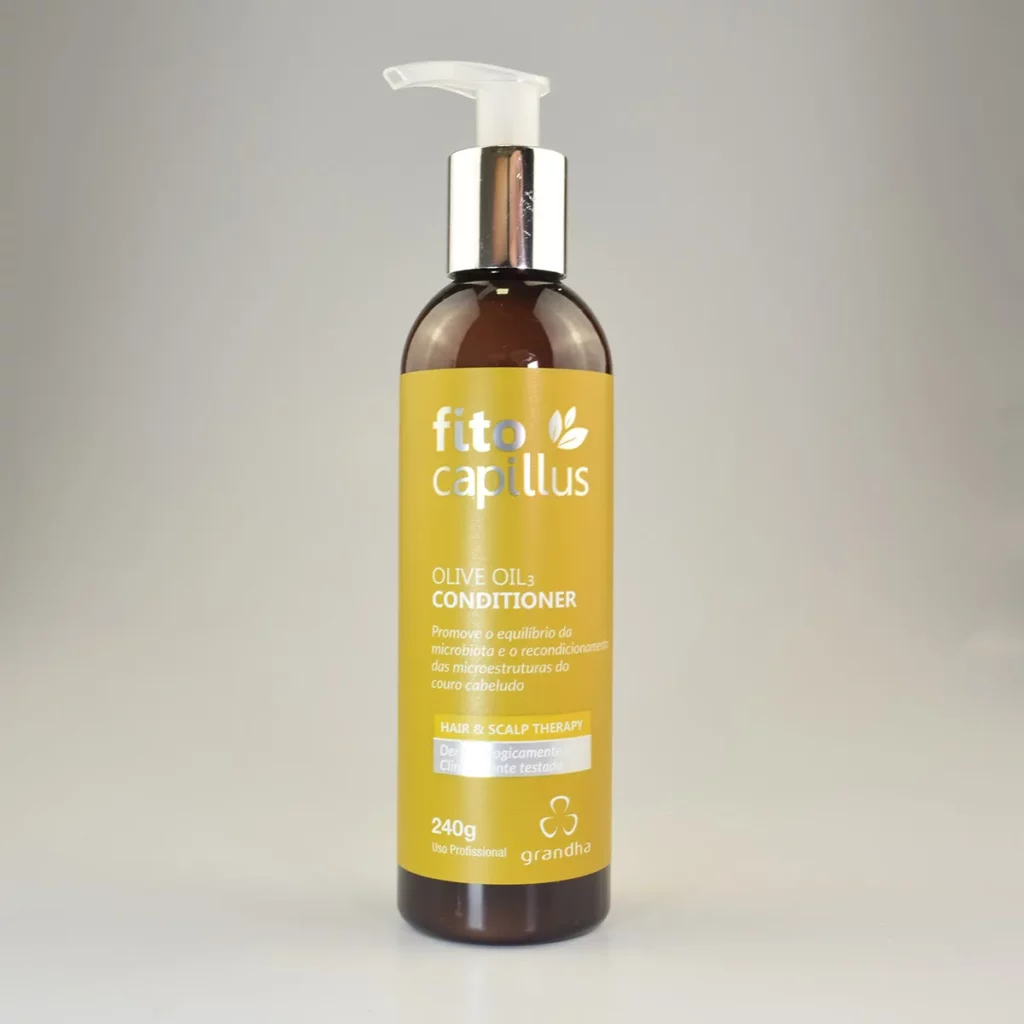
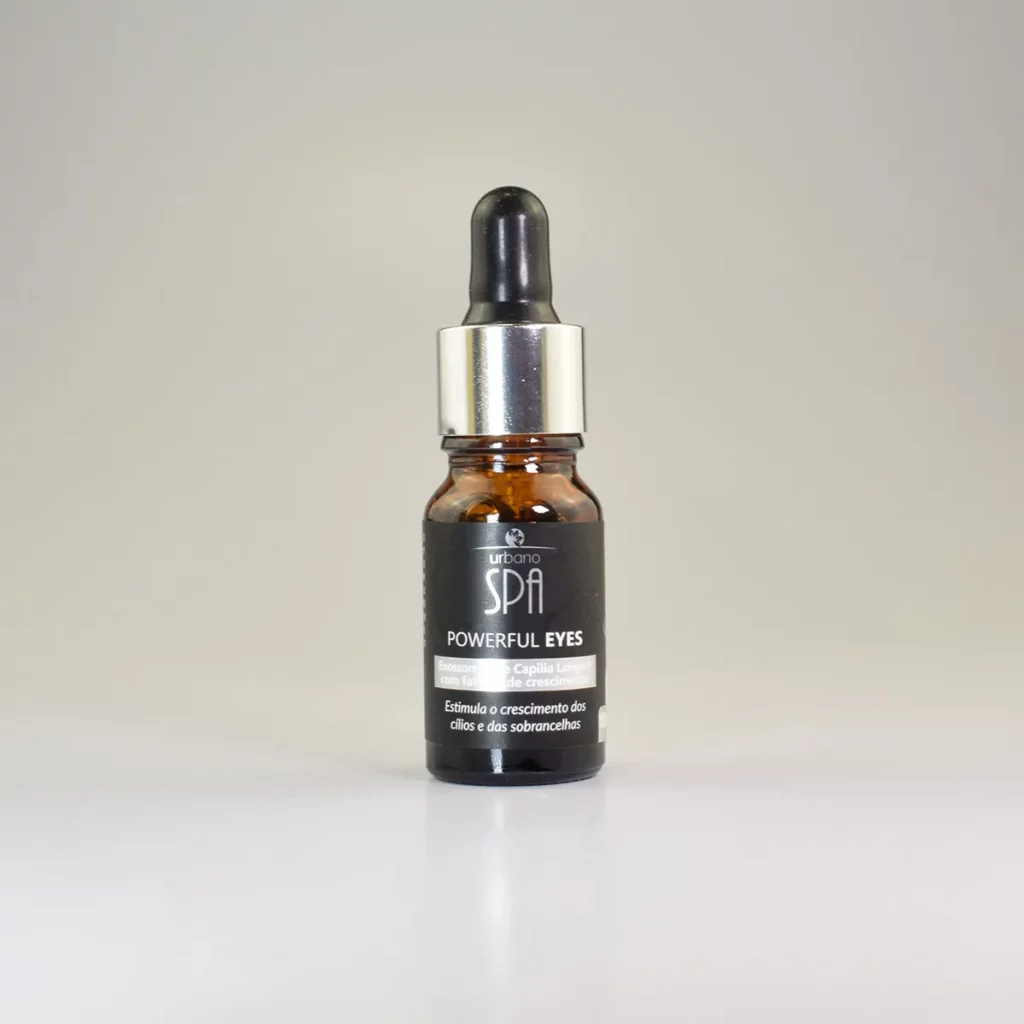
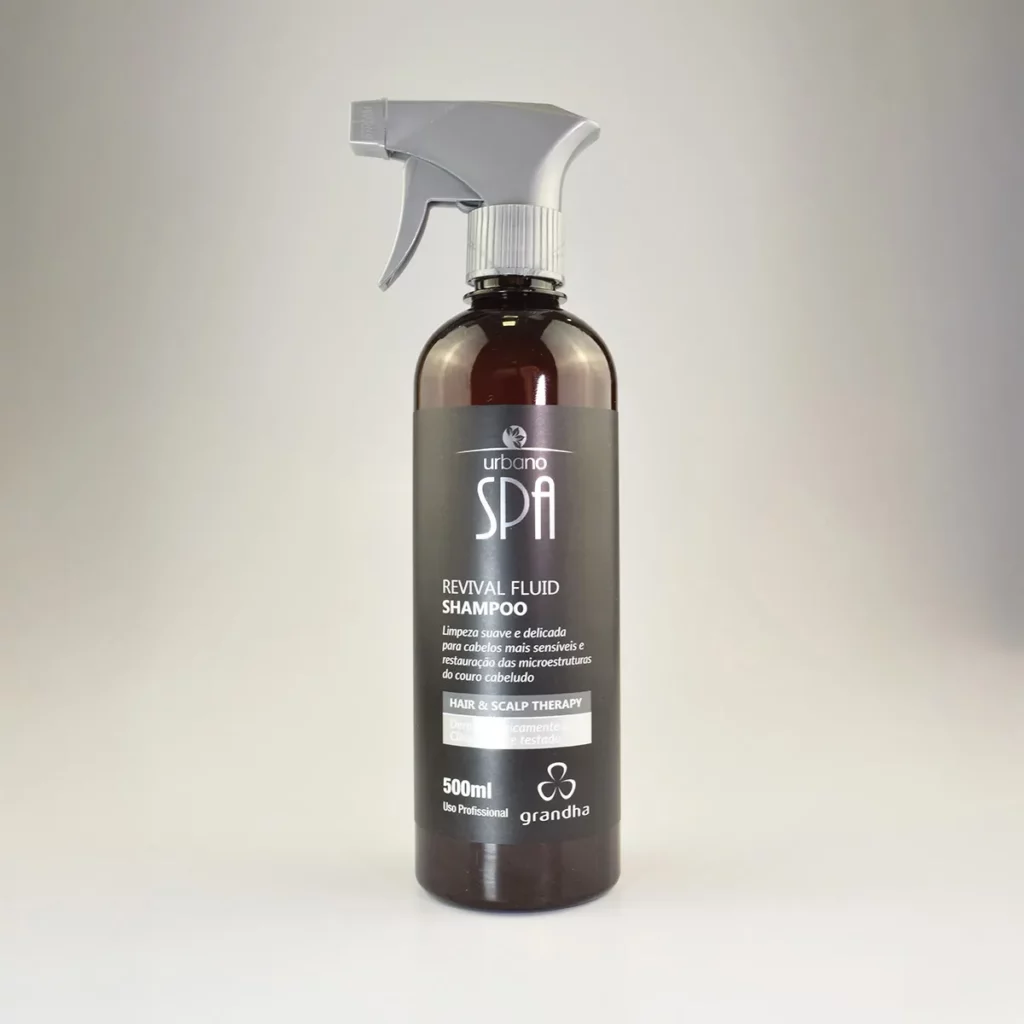
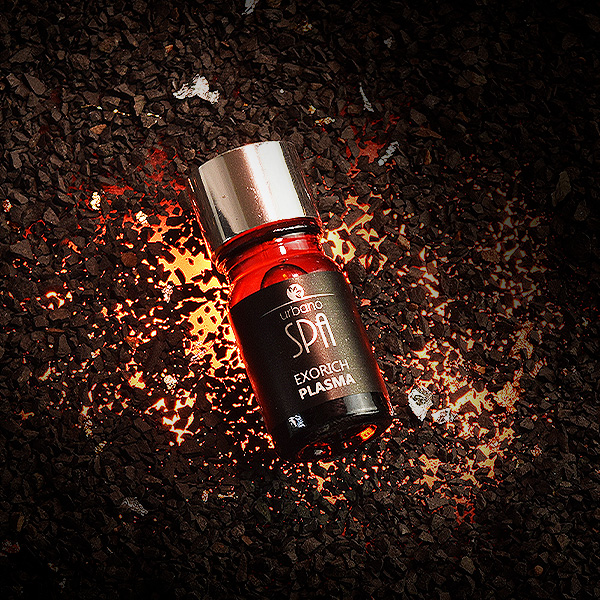
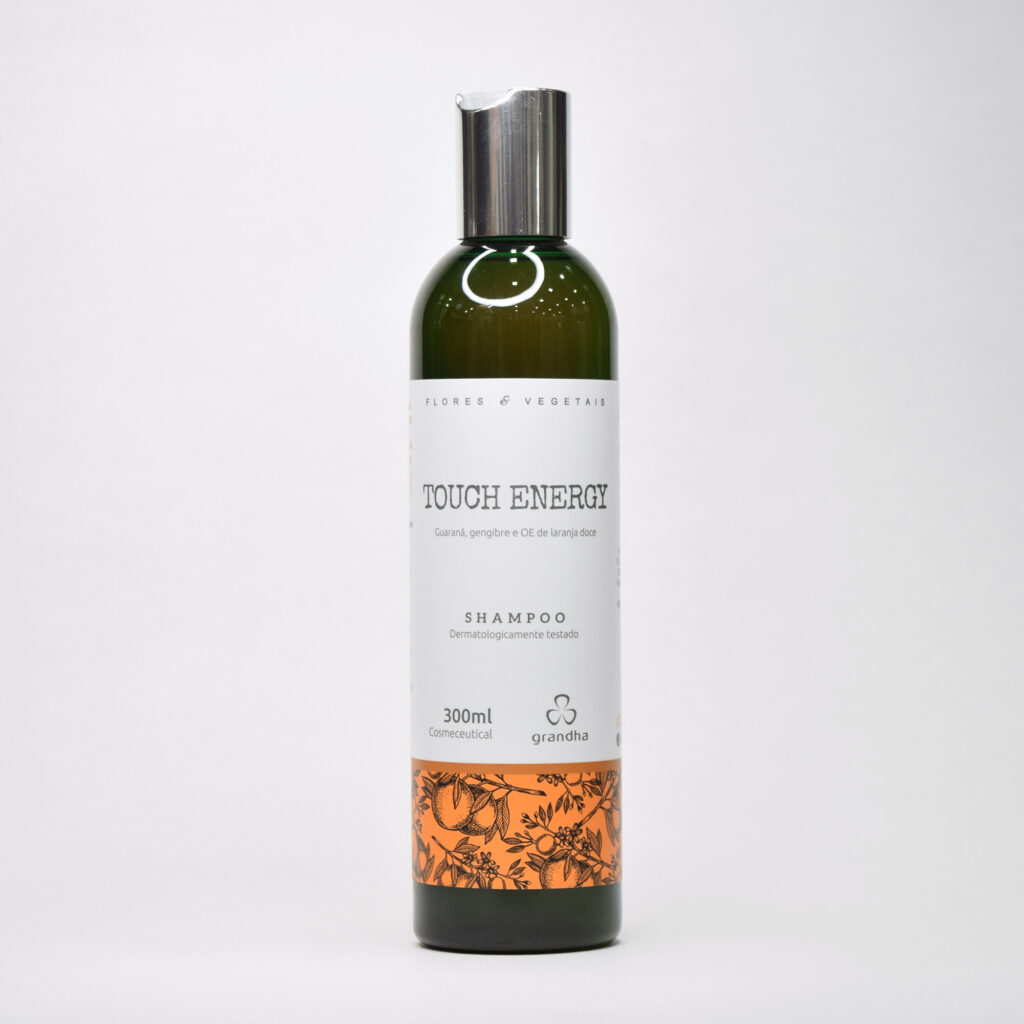
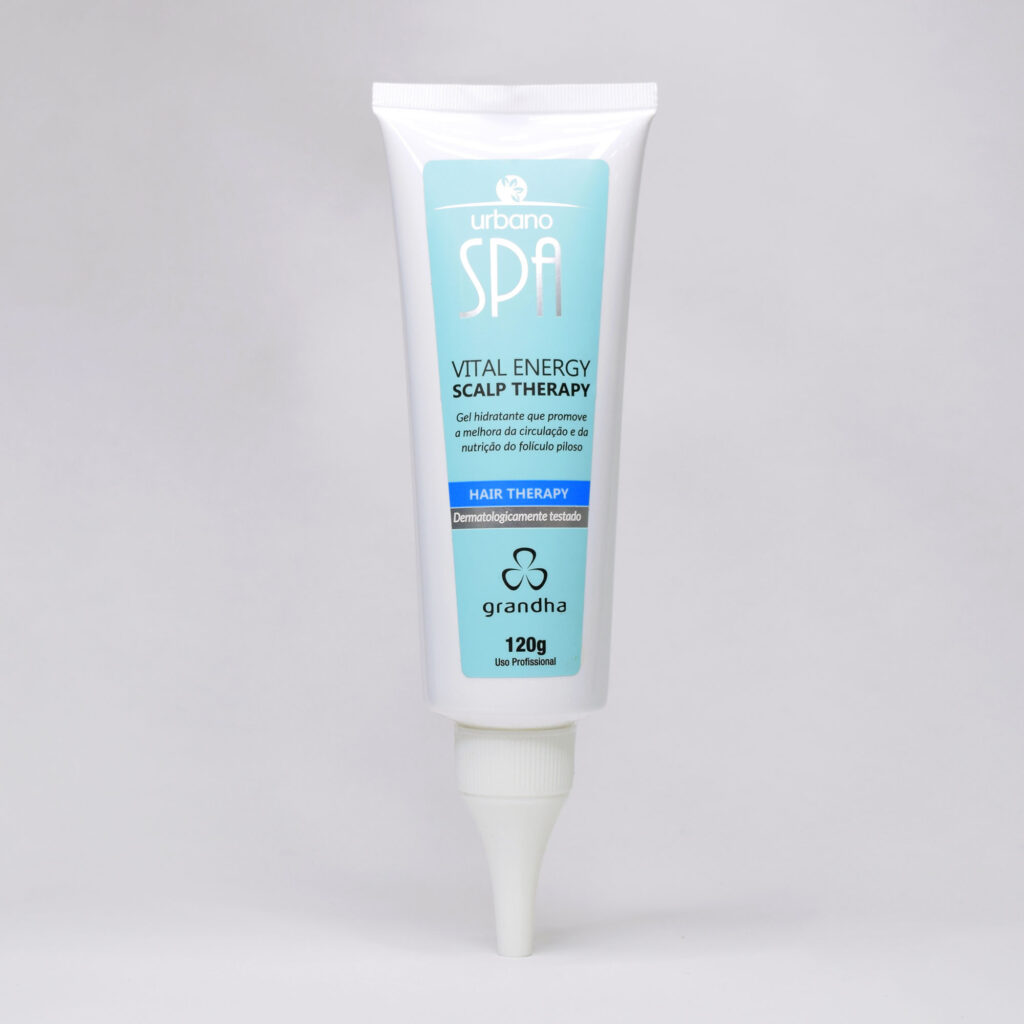
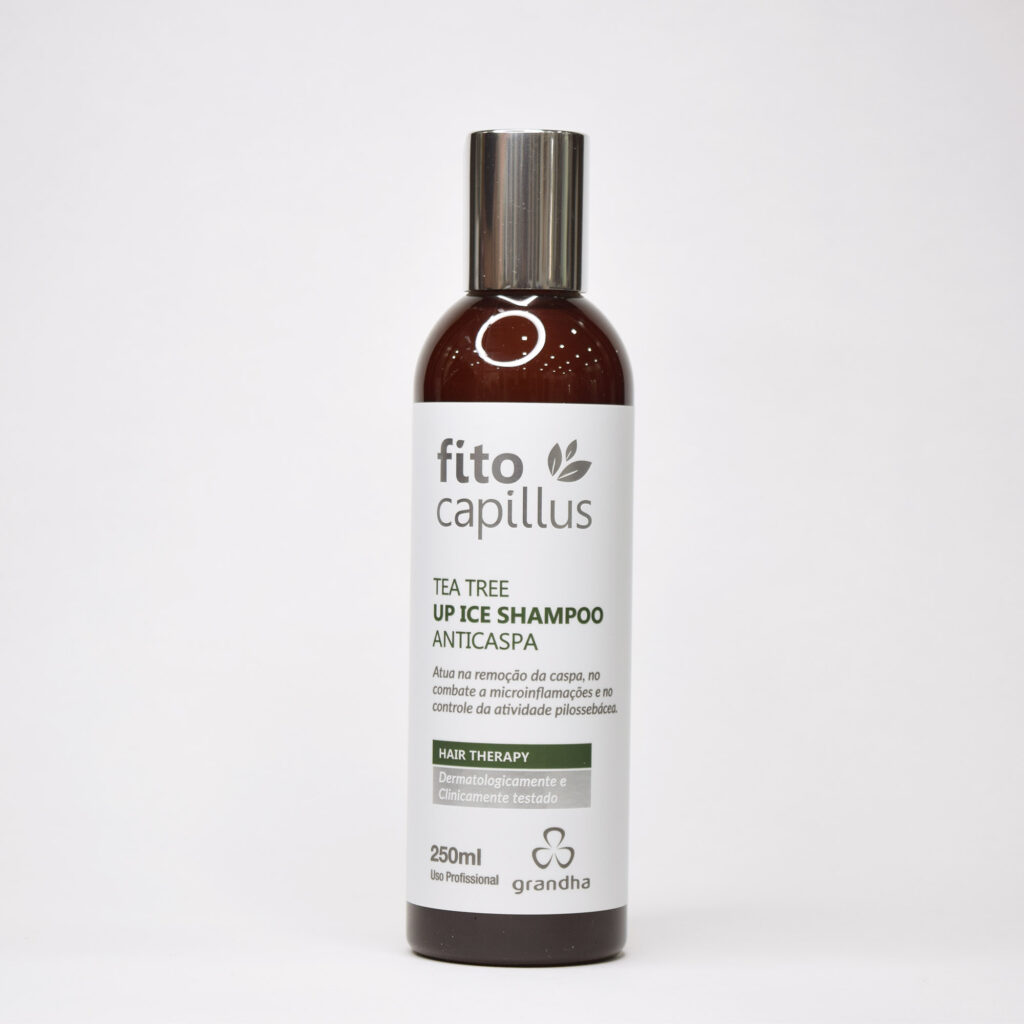
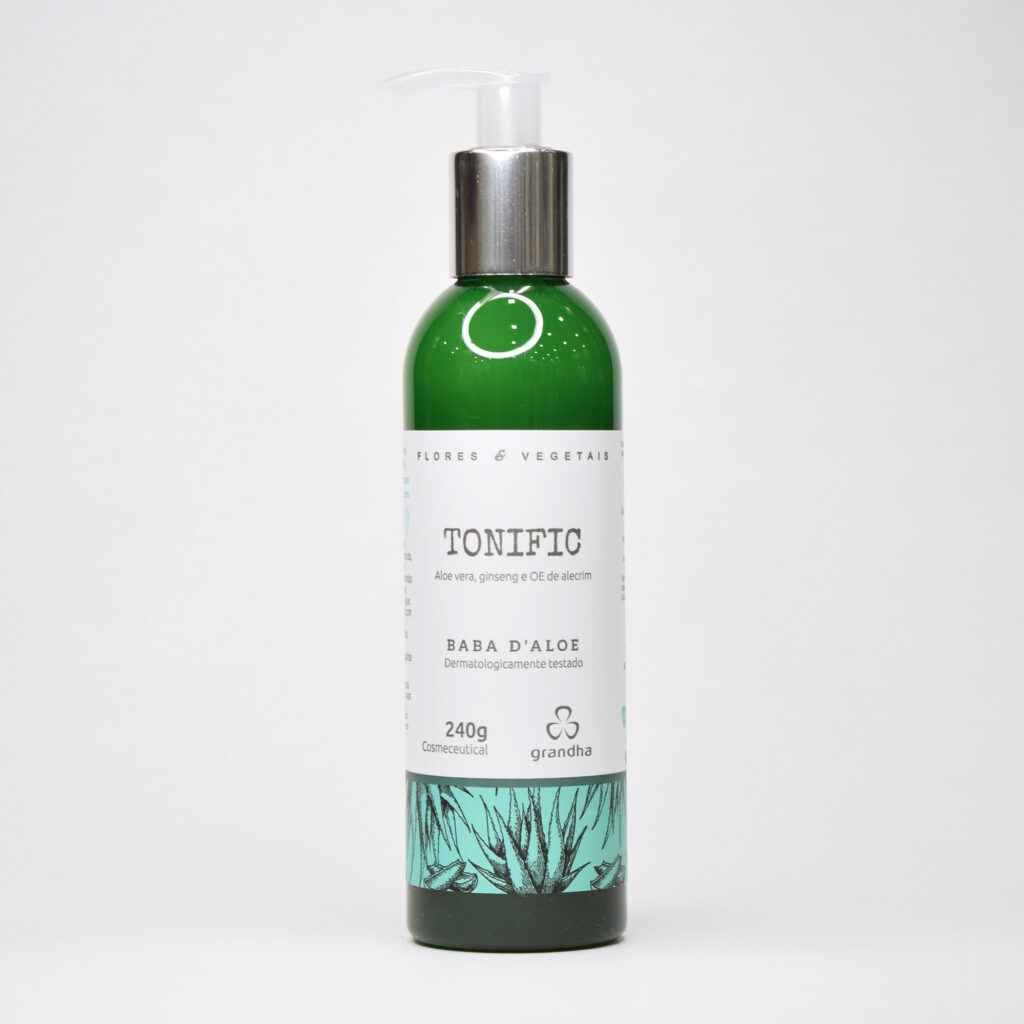
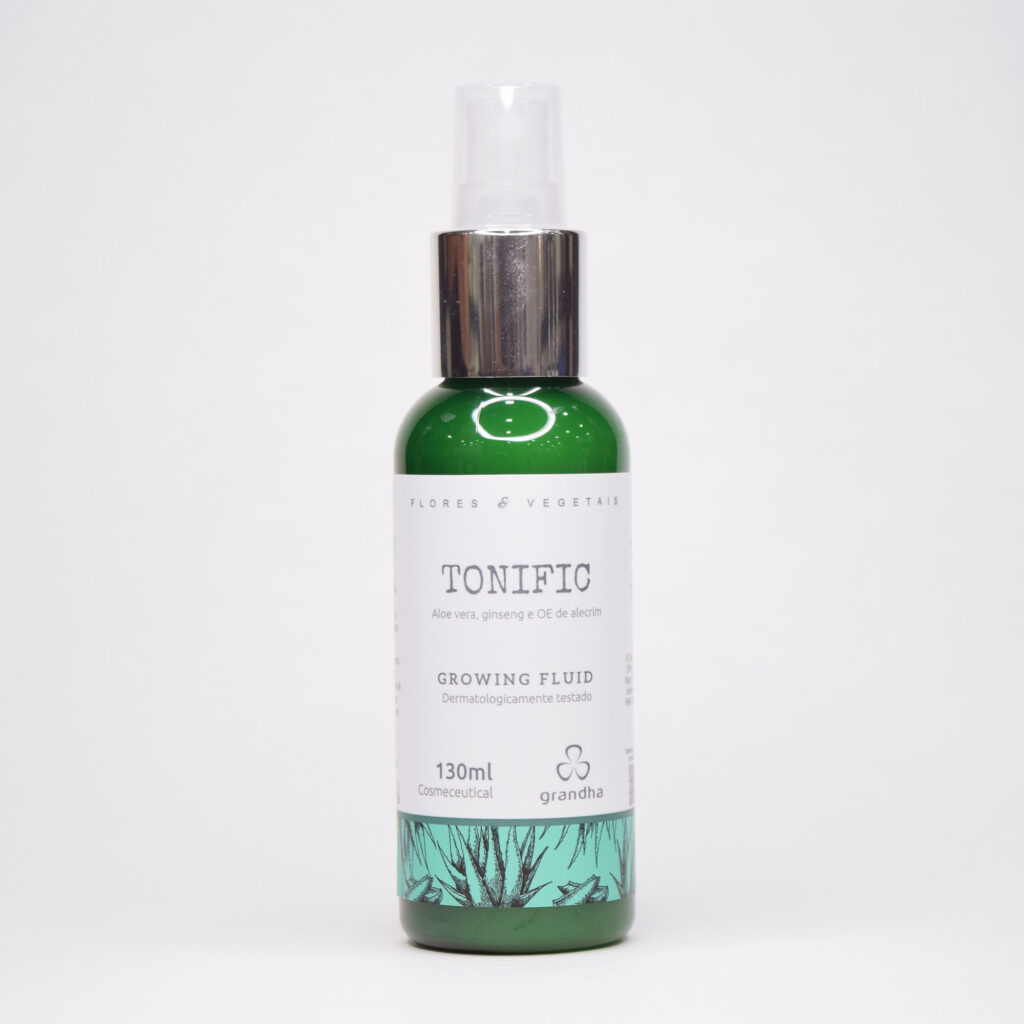
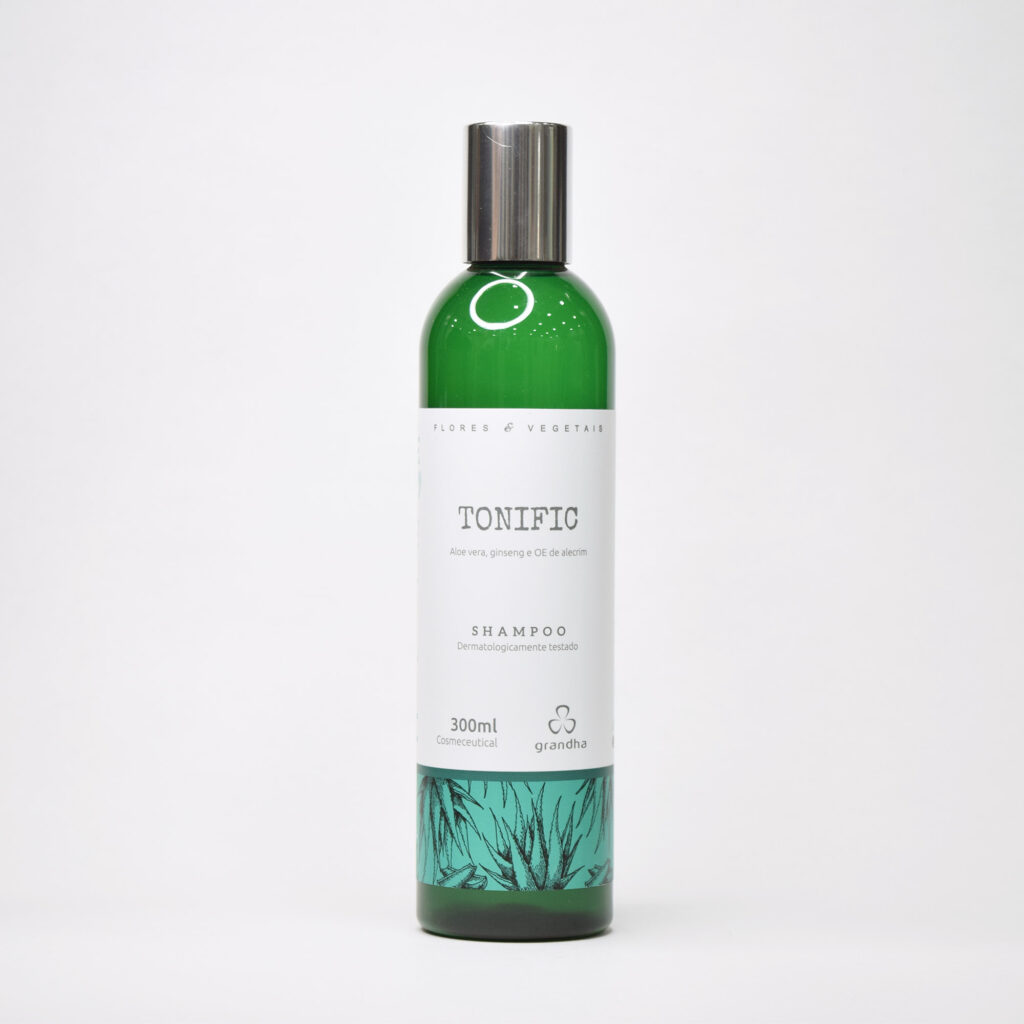
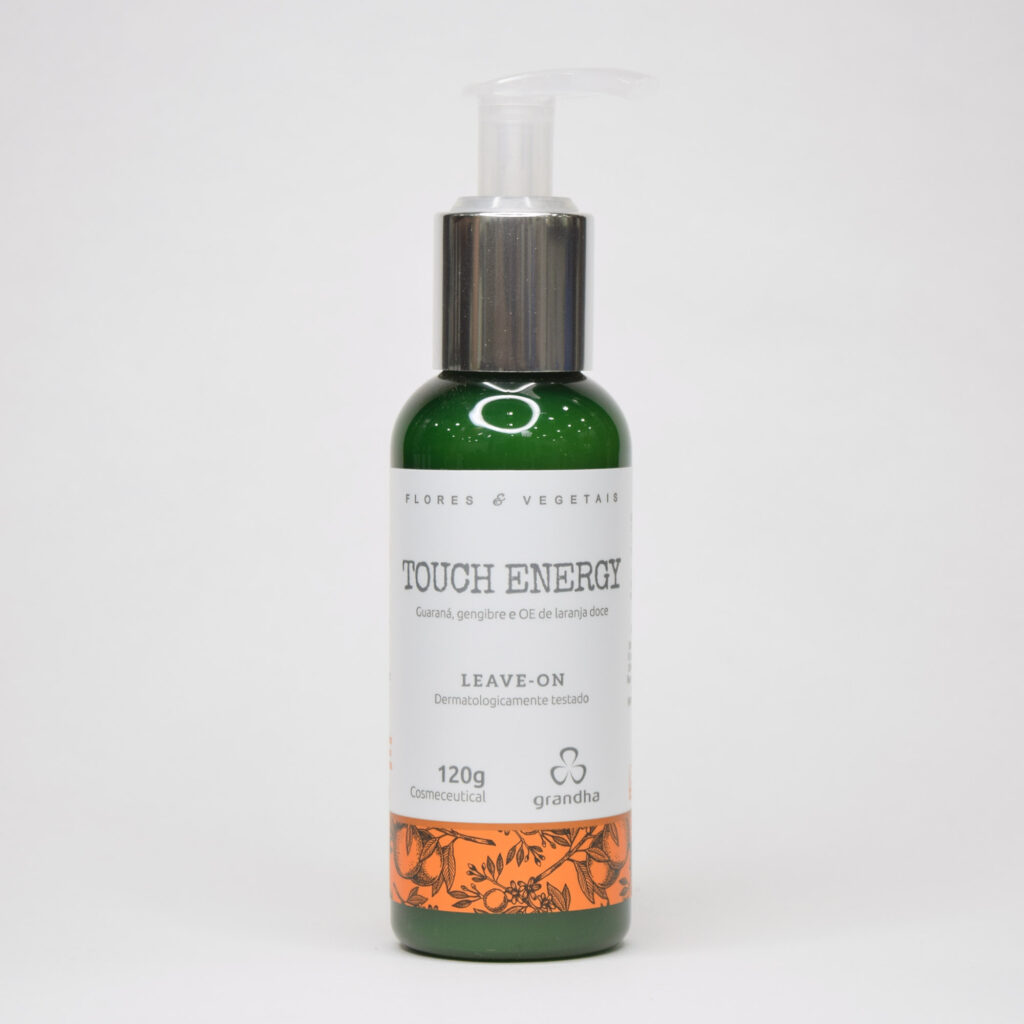
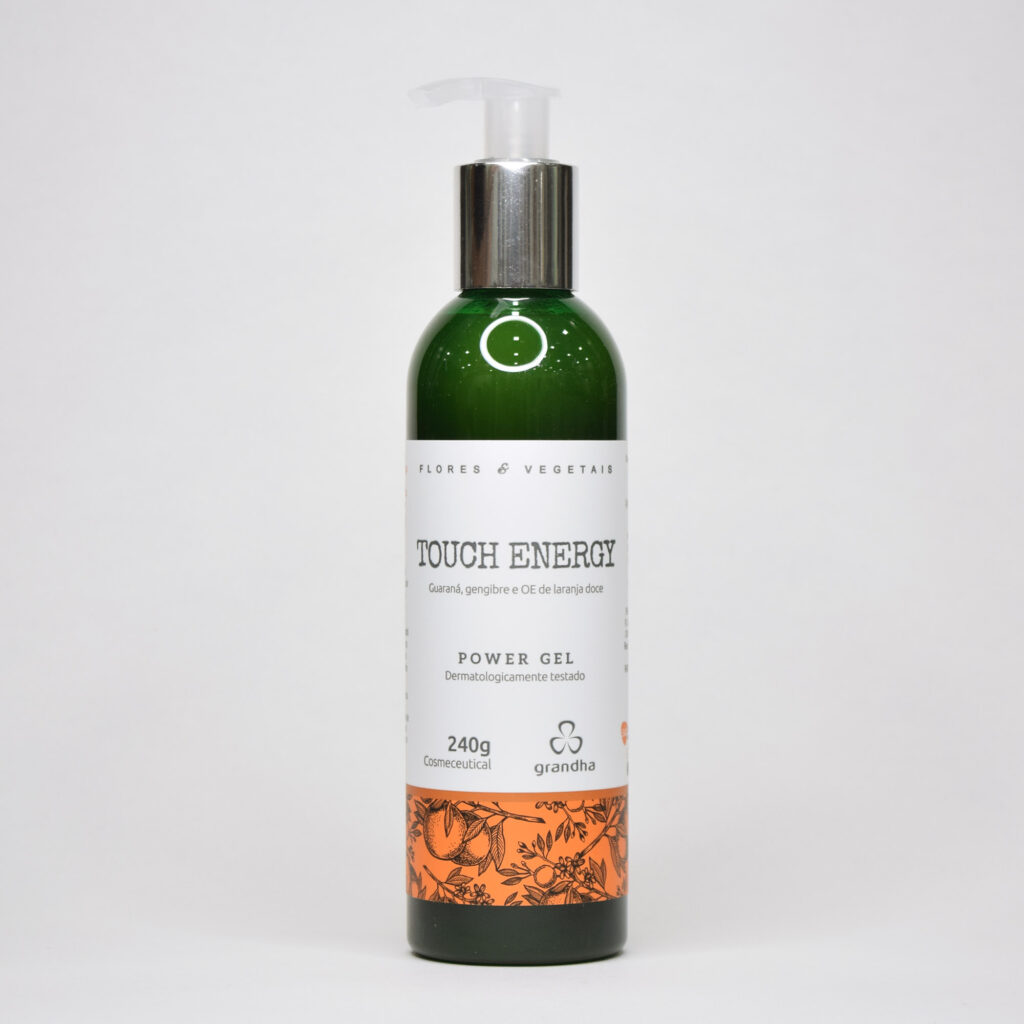
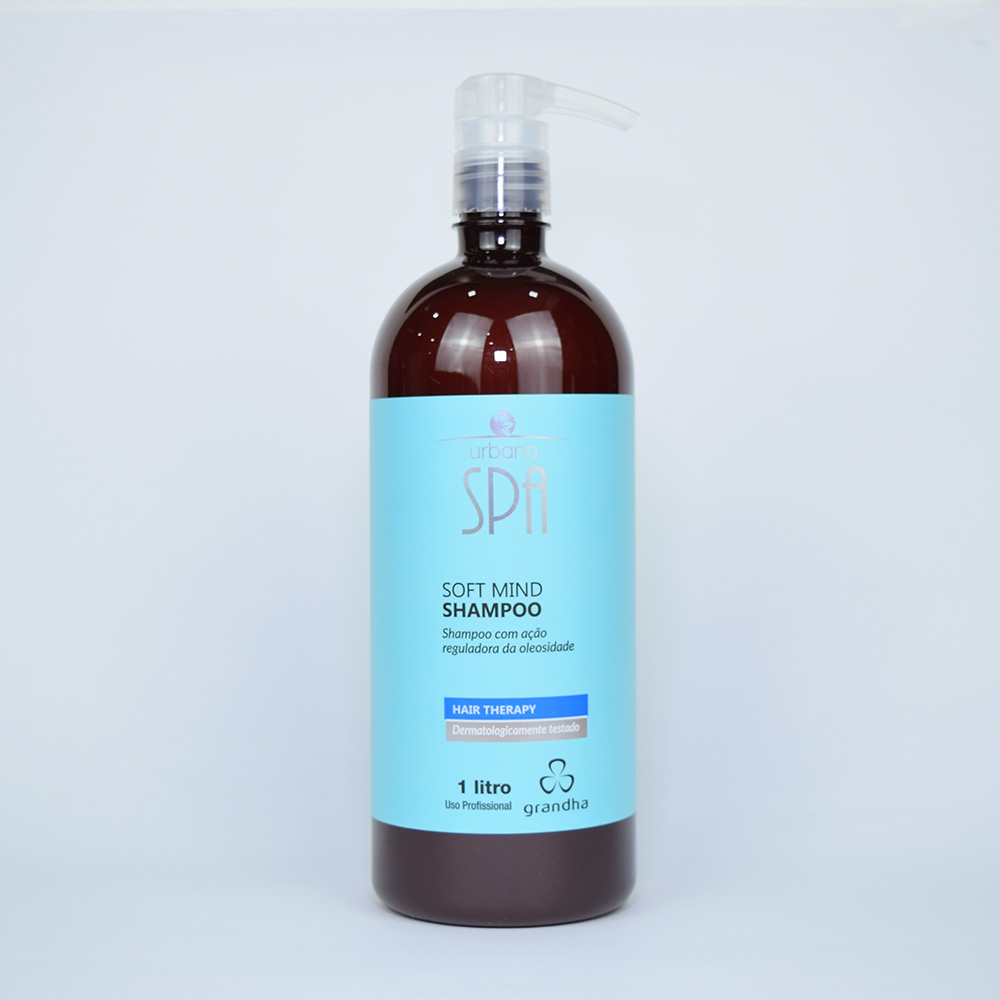
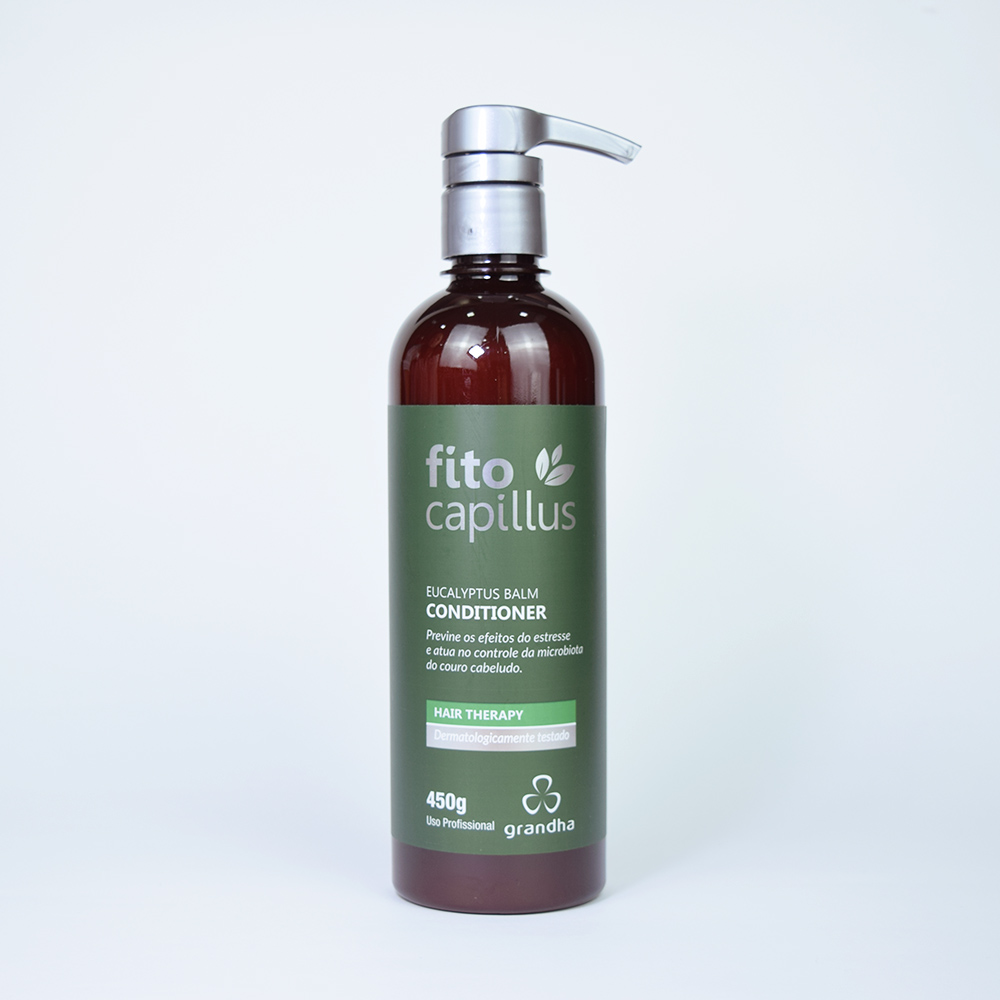
The Integrated Approach: Discover the Urbano Spa Line
Since scalp health directly impacts the response of hair tissues, protocols that combine detoxification, remineralization, and relief of skin stress are highly recommended as adjuncts in cases of hair imbalance.
The Urban Spa line from Grandha It was developed under the principles of integrative therapy to rehabilitate the scalp's ecosystem.
- Clay Therapy and DetoxificationWith the use of purifying clays (such as those in the Blue and Black varieties), the lines, in addition to removing impurities that weigh down the skin, restore mineral balance.
- Soothing and Refreshing Action: The presence of cooling agents and selected botanical extracts helps to modulate perifollicular inflammation and provides immediate relief to the sensitive scalp.
- A Favorable Environment for Recovery: By purifying and enhancing blood flow to the "root" (hair follicle), the Urbano Spa system prepares the ideal biological environment for specific hair growth treatments to work with maximum efficiency.
Embracing the health of your scalp with responsibility, patience, and a scientific basis is the definitive path to overcoming the challenges of alopecia areata.
By combining proper medical care with the conscious hygiene provided by a shampoo and the special care of clays in the Urbano Spa line from GrandhaBy doing so, you ensure a strengthened, clean environment, prepared to restore balance, health, and confidence in the beauty of your hair.
Frequently Asked Questions (FAQ)
What are the main causes of blood in the stool?
Possible causes include hemorrhoids, anal fissures, diverticula, inflammatory bowel disease, polyps, and colorectal cancer.
When does blood in the stool require immediate medical attention?
Heavy or continuous bleeding, large clots, dizziness, fainting, paleness, intense abdominal pain, black stools, shortness of breath, or palpitations require urgent evaluation.
Does bright red blood in the stool always indicate hemorrhoids?
No. Even when the blood is bright red, other causes may be involved, and recurring episodes or those associated with new symptoms need to be investigated.
What tests can be ordered to investigate blood in the stool?
The evaluation may include a complete blood count, anoscopy, colonoscopy, upper digestive endoscopy, and imaging tests, depending on the appearance of the bleeding and the clinical suspicion.
Does the fecal occult blood test replace the evaluation of visible bleeding?
No. This test is primarily used in screening contexts and should not be used in isolation to rule out disease when bleeding is already noticeable.