Discover the pillars of healthy hair and the biological and external factors that ensure stronger strands. From follicle nutrition to high-end cosmetology, learn how to strengthen hair fibers with the Blog of [Blog Name]. Grandha.

The quest for strong and healthy hair goes far beyond aesthetics; it reflects a... A complex balance between internal biology and external care.In the world of trichology and cosmetology, we understand that the strength of a hair strand is not a matter of chance, but rather of a... A combination of structural factors and integrative habits.
In this article, we will explore the fundamental pillars for "building" and maintaining a truly strengthened hair shaft. Follow us!
Nutrition and metabolic support
O hair follicle, especially its germination region has high metabolic activity (alive and connected to bodily systems) is the hair factory— It requires a constant supply of nutrients and oxygen.Therefore, a good nutrition This will contribute to the functioning of this factory. The hair fiber is composed mostly of keratin (a protein), which is biologically "dead" after emerging from the scalp. Adequate intake with healthy foods rich in vitamins and minerals. Having stronger hair is an important step:
- Proteins: They are digested into amino acids to synthesize keratin.
- Minerals and Vitamins: Iron, zinc, and B vitamins (such as biotin) act as cofactors in the cell division process of the bulb.
- Internal Hydration: Water promotes a circulatory environment that allows nutrients to be delivered to the dermal papilla.
Scalp Health: the fertile ground for healthy hair
There is no such thing as strong hair on a diseased scalp. Dysfunctions such as excessive oiliness, flaking, and inflammation can compromise the quality and growth of developing hair fibers.
Keep scalp microbiota A balanced diet and unobstructed follicular ostia is very important. Therapies that stimulate local microcirculation. They ensure that oxygen and nutrients efficiently reach the "root" of the hair.



The Engineering of Resistance: Cortex and Cuticle
Hair strength is tested daily by a challenging routine ranging from UV radiation and pollution to... chemical processes and mechanical traction. To resist, the wire depends on integrity of its internal architecture and external.
Cortex: the heart of resistance
Responsible for approximately 80% to 90% of the hair mass.The cortex is composed of keratin bundles organized into protofibrils. It is within the cortex that disulfide bridges reside; these chemical bonds determine the strength, elasticity, and shape of the hair.
A healthy cortex allows the hair strand to stretch without breaking.However, the loss of mass (protein loss) caused by aggressive chemical processes makes this structure porous and fragile.
Cuticle: the defensive barrier
Composed of overlapping scales (like tiles on a roof), the cuticle is the first line of defense against the environmentIts main function is to protect the cortex and control the permeability of the hair strand., retaining moisture inside. When the cuticles are aligned and "sealed," with the layers adhering together through natural lipids, they provide shine and smoothness, as well as reducing the coefficient of friction, which Prevents breakage from combing or friction.
- Thermal Protection: Frequent use of heat styling tools without protection denatures proteins and degrades natural hydration.
- pH balance: Using products with a physiological pH keeps the cuticles aligned. preventing breakage due to friction (easy to untangle).
- Lipid Replacement: Strong hair also needs flexibility. Vegetable oils (noble lipids) prevent the hair strand from becoming stiff and brittle.
Stress management and lifestyle
Cortisol, known as the stress hormone, It can prematurely bring on the hair loss phase. (telogen phase), leading to increased hair loss. In addition, the quality sleep This is the moment when neuroendocrine, metabolic, and reparative regulation of the organism occurs. directly influencing hair strength.
Personalized schedule and cutting-edge cosmeceuticals for hair health.
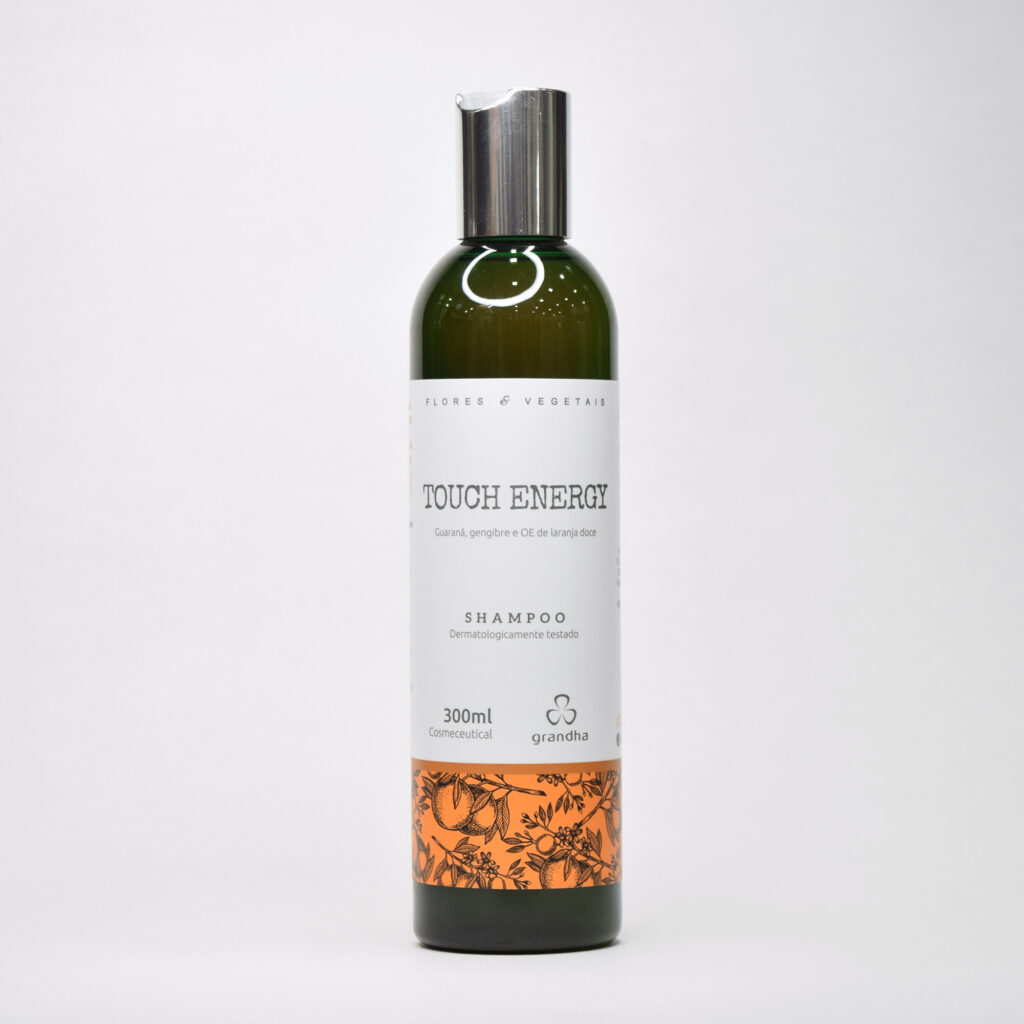
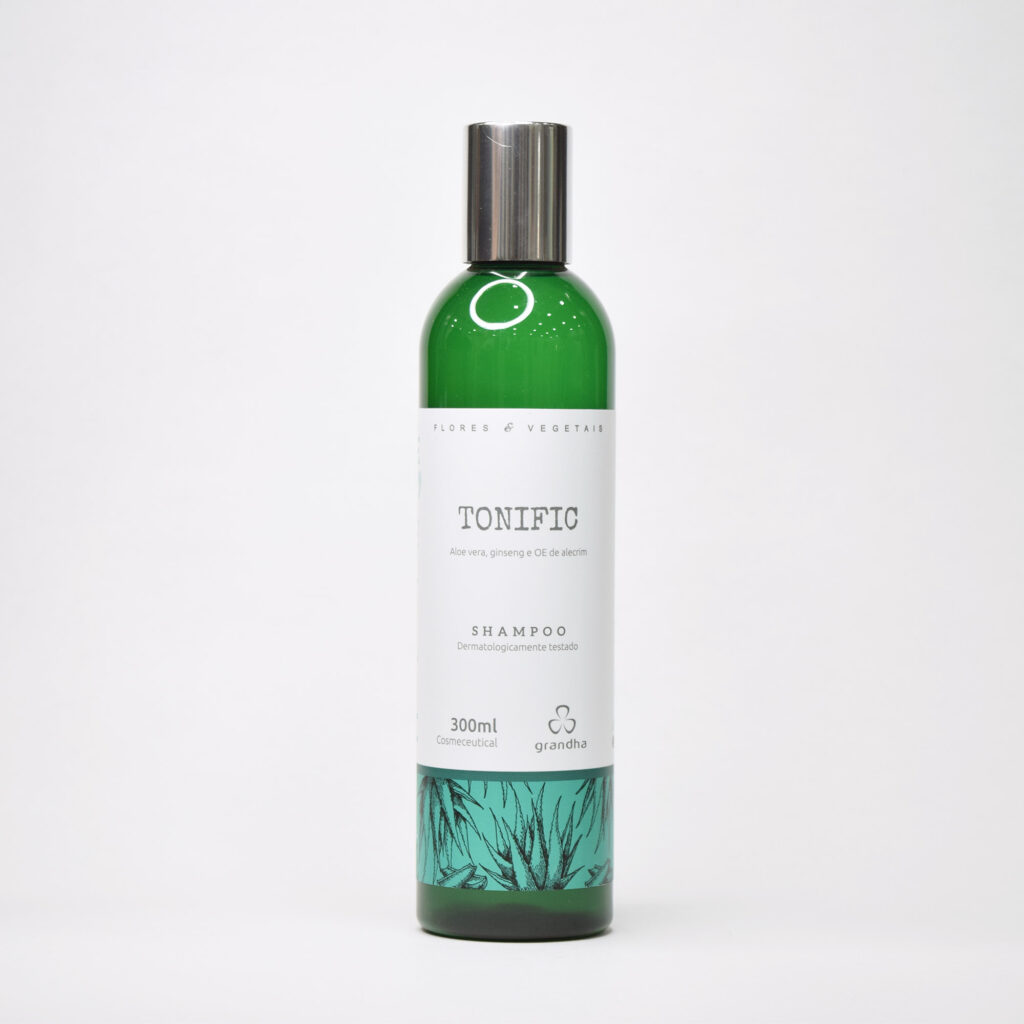
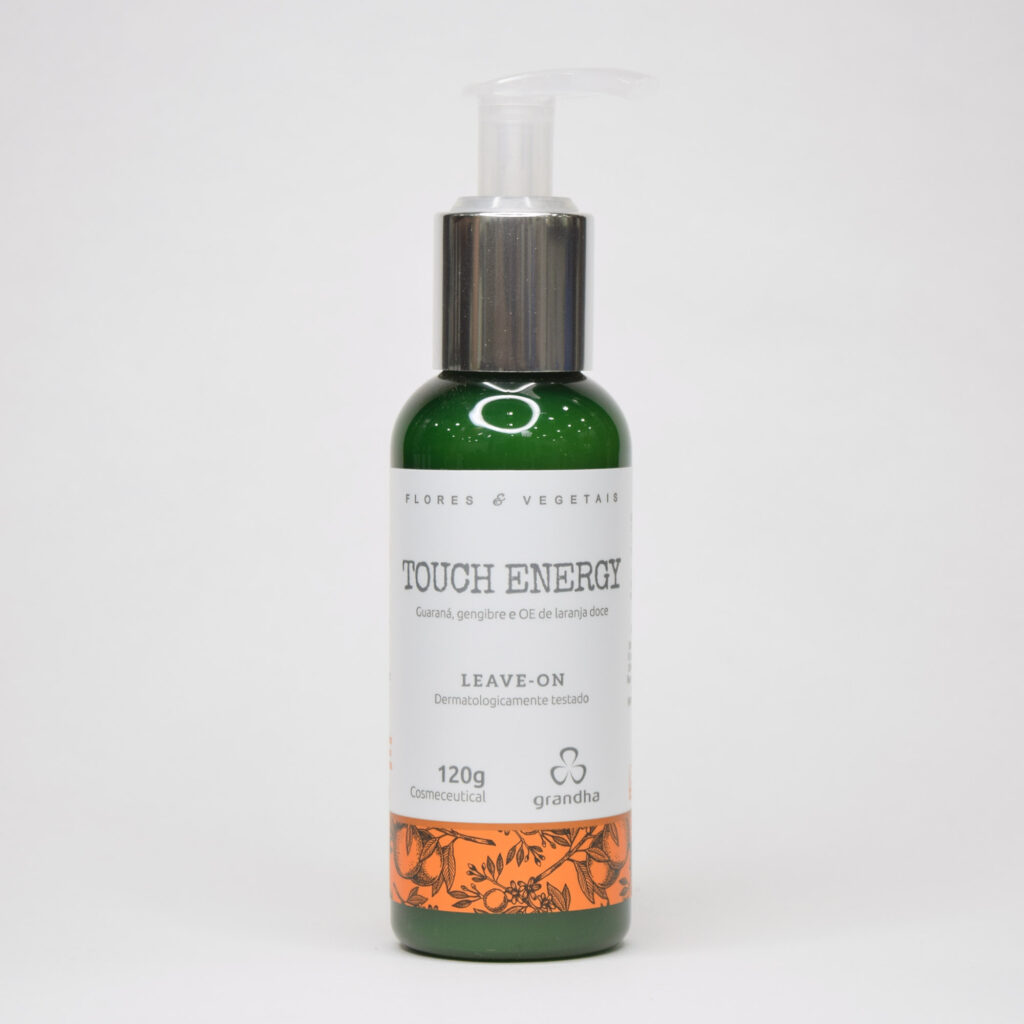
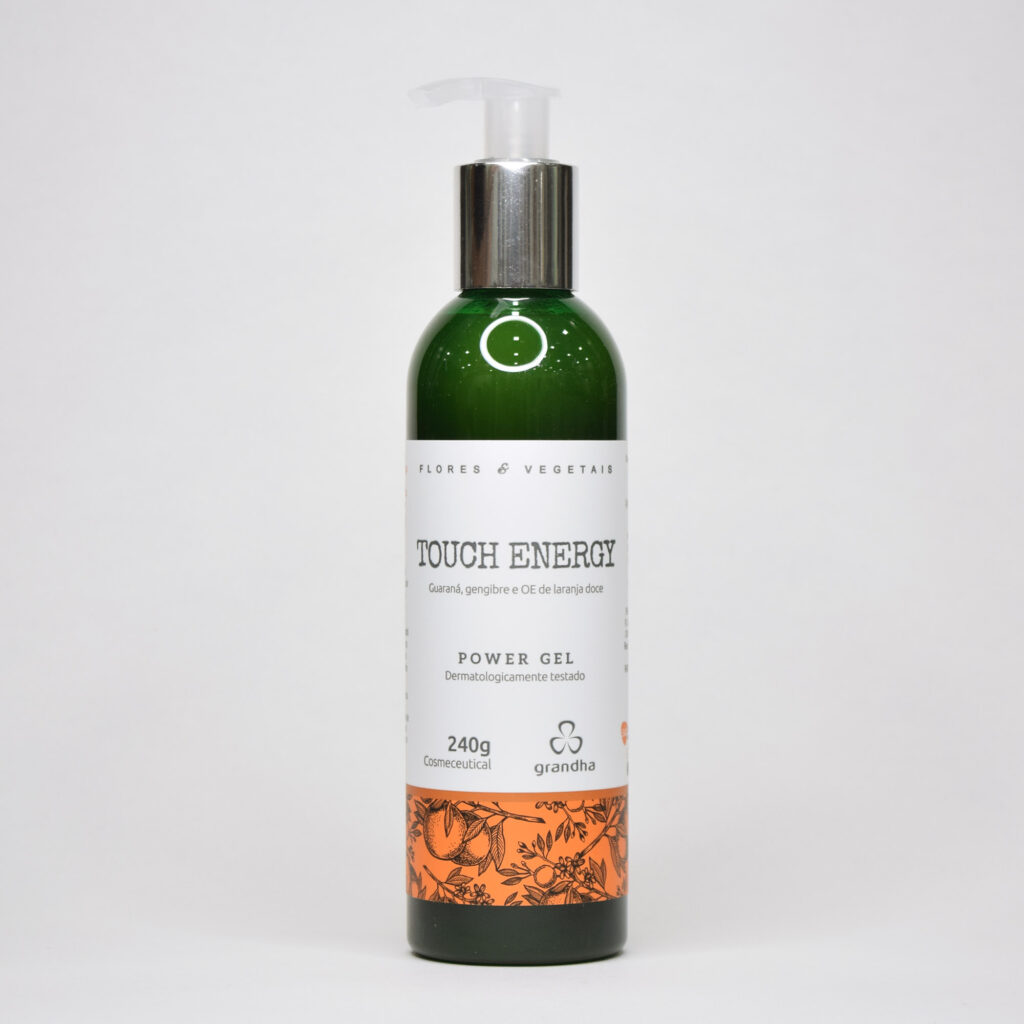
Use products that combine essential oils, plant extracts, and high-tech active ingredients, such as those from... Flowers & Vegetables line da Grandhaallows a personalized approachReal strengthening happens when We treat specific deficiencies of the capillary system. — and for the hair shaft, whether it's a lack of matter, "mass" (repair), lack of water (hydration) or lack of manageability (nutrition).
Strong hair is the result of a journey of ongoing care. By understanding that hair health is influenced both by what happens inside the body and by what we apply to it, we elevate the standard of beauty to a level of holistic well-being.
Frequently Asked Questions (FAQ's)
1. Does hair health depend solely on the products used?
No. While quality products are essential for external protection and fiber repair, hair health is multifactorial (targeted treatment), also depending on genetics, hormonal balance, and systemic health.
2. Can diet affect hair health?
Yes. The hair follicle has intense metabolic activity. A deficiency in proteins, vitamins, and minerals prevents the formation of a strong fiber, making the hair strands fragile and dull.
3. Is there a connection between hair health and hormones?
Yes. Hormones such as thyroid hormones, estrogen, and testosterone can influence the natural growth cycle. Hormonal imbalances can alter hair density, thickness, and cause significant hair loss.
4. Does hair health worsen with stress?
Yes. Intense stress raises cortisol levels, which can trigger an inflammatory process in the scalp and bring forward the shedding phase (telogen effluvium), interrupting the normal growth cycle.
5. Does healthy hair require scalp care?
Yes. The scalp is the base from which the hair grows. The accumulation of residue, excessive oiliness, or an inflammatory process can compromise the oxygenation and nutrition of the hair follicle, hindering the formation of new hair.