
Understand the science behind lipid replenishment with vegetable oils. Discover how these biocompatible active ingredients help control porosity, restore shine, and protect your hair's structure.
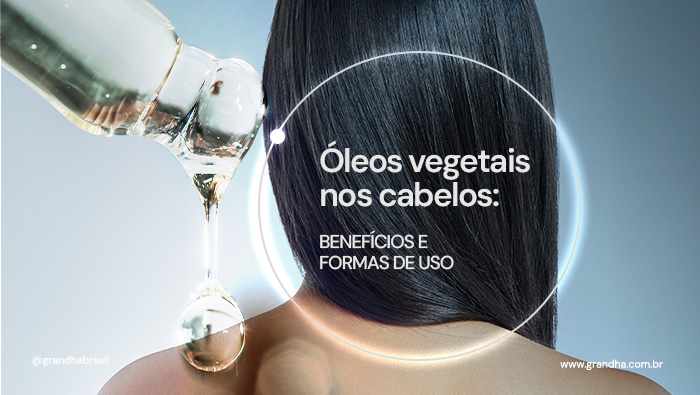
In the quest for silky, shiny hair, nature offers one of the most modern solutions in cosmetology: vegetable oils. Unlike mineral oils, which only create a superficial and inert barrier, vegetable oils are biocompatible, rich in fatty acids, vitamins, and antioxidants that penetrate and interact with the hair structure.
In this article, we'll understand why these ingredients are essential for hair health and how to use them correctly. Follow along and discover how to use this powerful tool for the health and beauty of your hair.
The Benefits of Vegetable Oils
High-purity vegetable oils act in a bioavailable way, concentrating their performance mainly on the lipid layer and the cell membrane complex (CMC) of the hair. While water hydrates, it is the lipids that ensure internal cohesion and retention of natural moisture.
Restoration of the Lipid Layer and Hydrophobicity
Healthy hair has a natural protective barrier against excess water. Vegetable oils restore this characteristic, preventing the hair from absorbing uncontrolled external moisture (which can cause frizz) and, at the same time, preventing the loss of internal hydration.
Combats porosity and promotes cuticle cohesion.
By filling the gaps and micro-fissures between the cuticle layers, the oils act as an intercellular "cement." This softens the texture of the hair fiber, reducing porosity and providing an immediate velvety feel.
Increased Flexibility and Mechanical Elasticity
A hair strand with compromised lipid content becomes stiff, dull, and brittle. The lipid complex of vegetable oils, rich in fatty acids (such as Omega 3, 6, and 9), lubricates the inner fibers of the hair shaft, allowing the hair to better withstand the traction of combing and daily movement with greater resistance.
Reflective Shine and Antioxidant Protection
Ao align the surface of the hair shaftOils create a flat surface that reflects light more clearly (mirror-like shine). Furthermore, many vegetable oils are rich in Vitamin E and polyphenols, which combat oxidation caused by solar radiation and pollution, preserving the color and vitality of the hair fiber. However, note that vegetable oils should remain in contact (processing time) with the hair for 15 to 20 minutes, after which the hair should be washed. Vegetable oils should not be used as thermal or sunscreens.
Maintaining Scalp Health
Unlike petroleum derivatives, vegetable oils have an affinity with natural human sebum. This allows them to help dissolve impurities and balance the scalp's microbiota, preventing inflammation and flaking without clogging follicles.
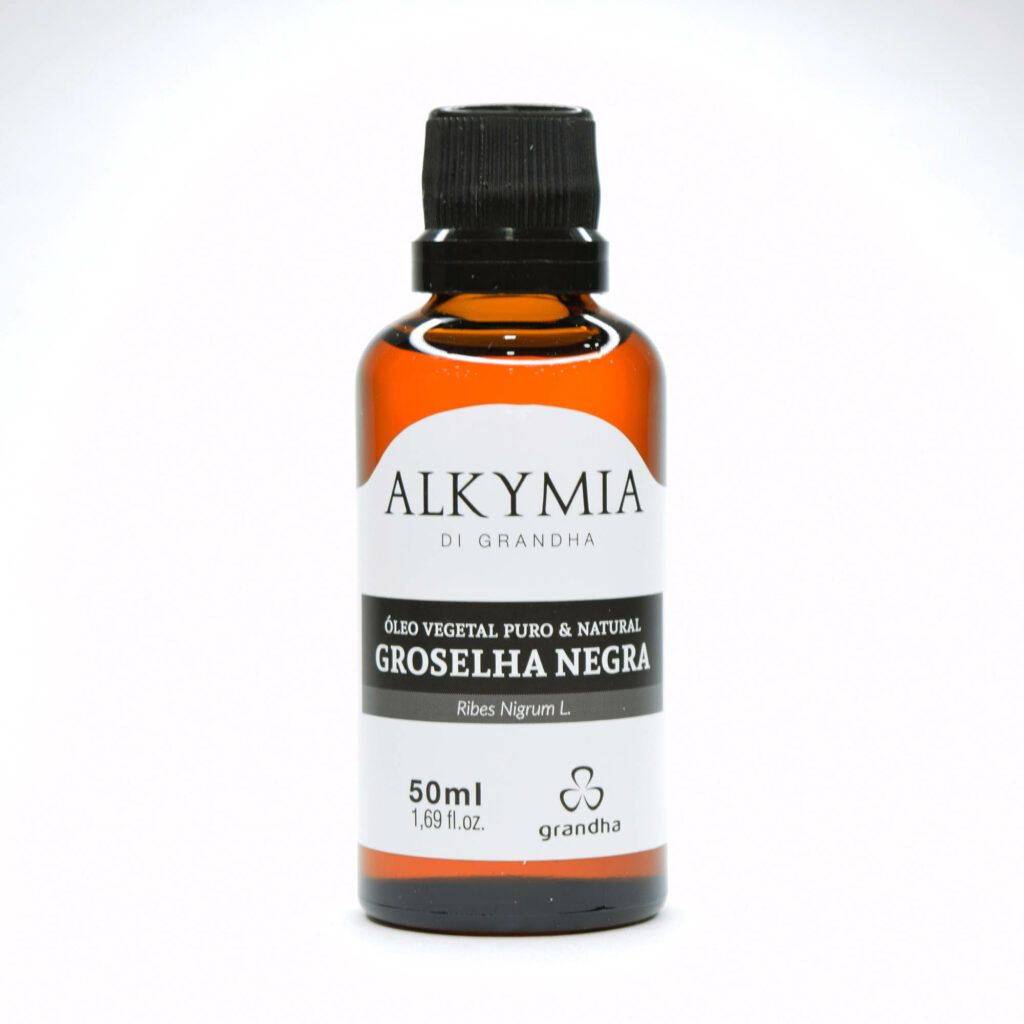
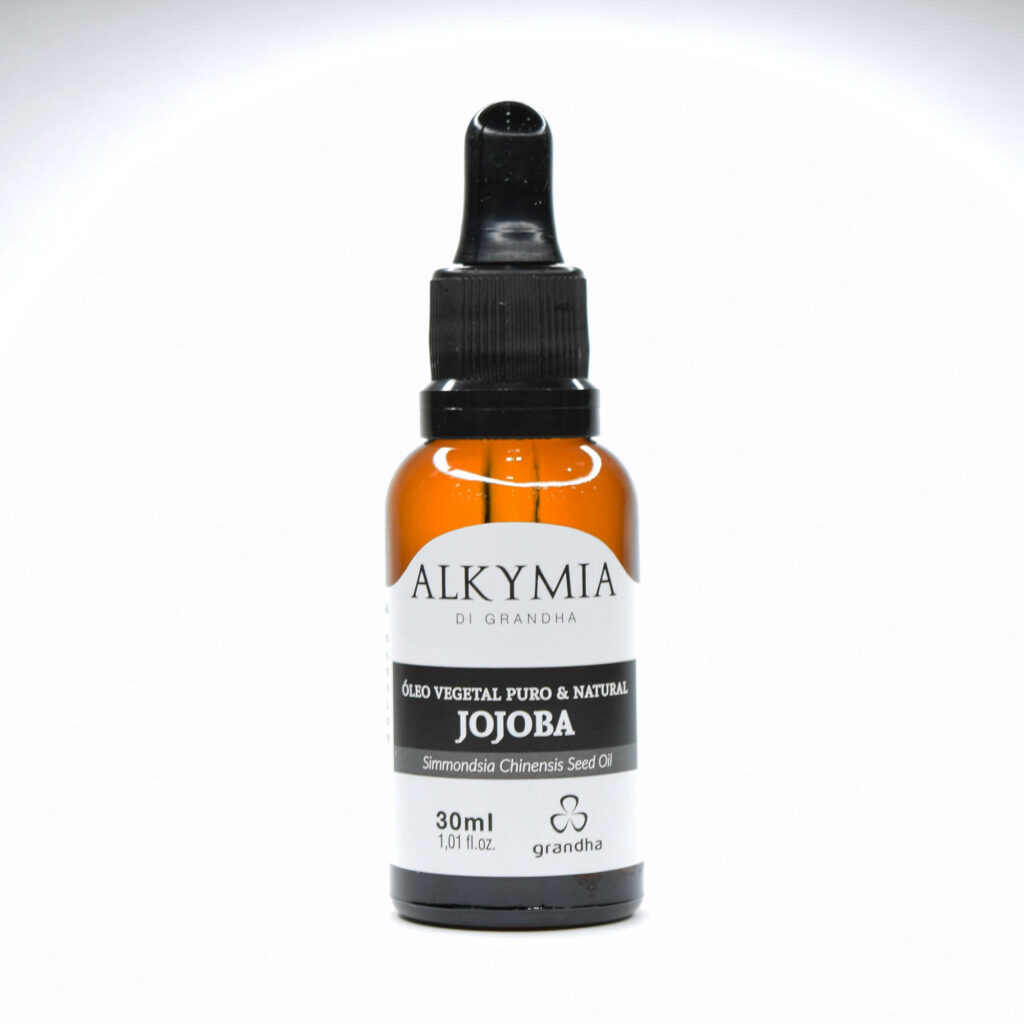
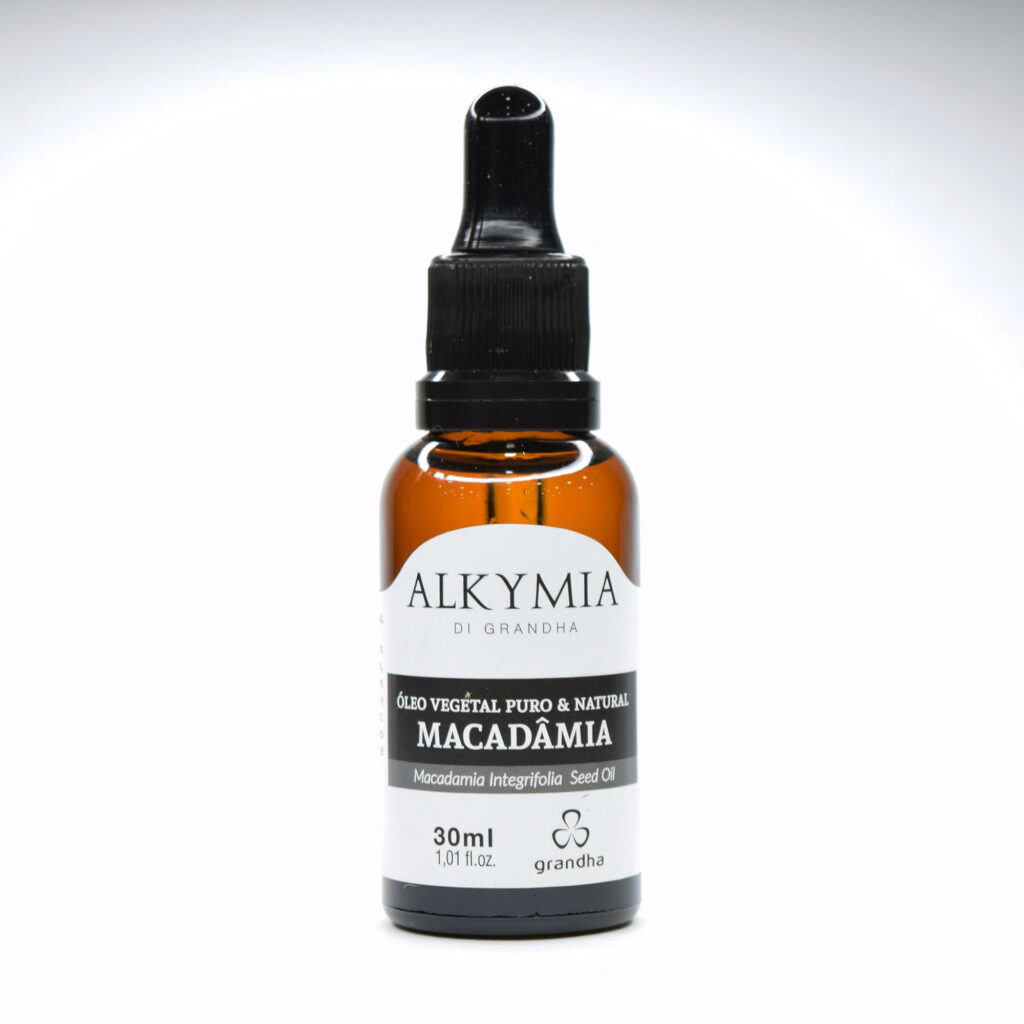
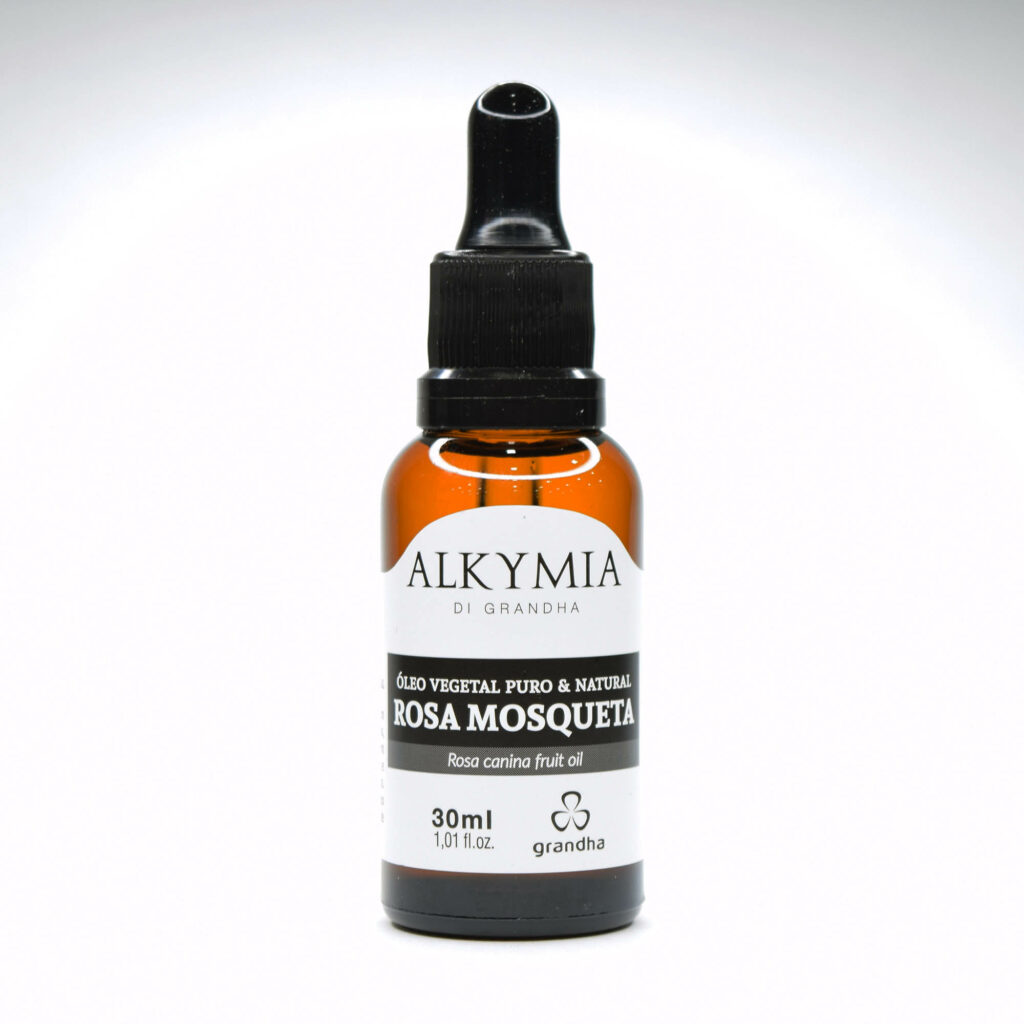
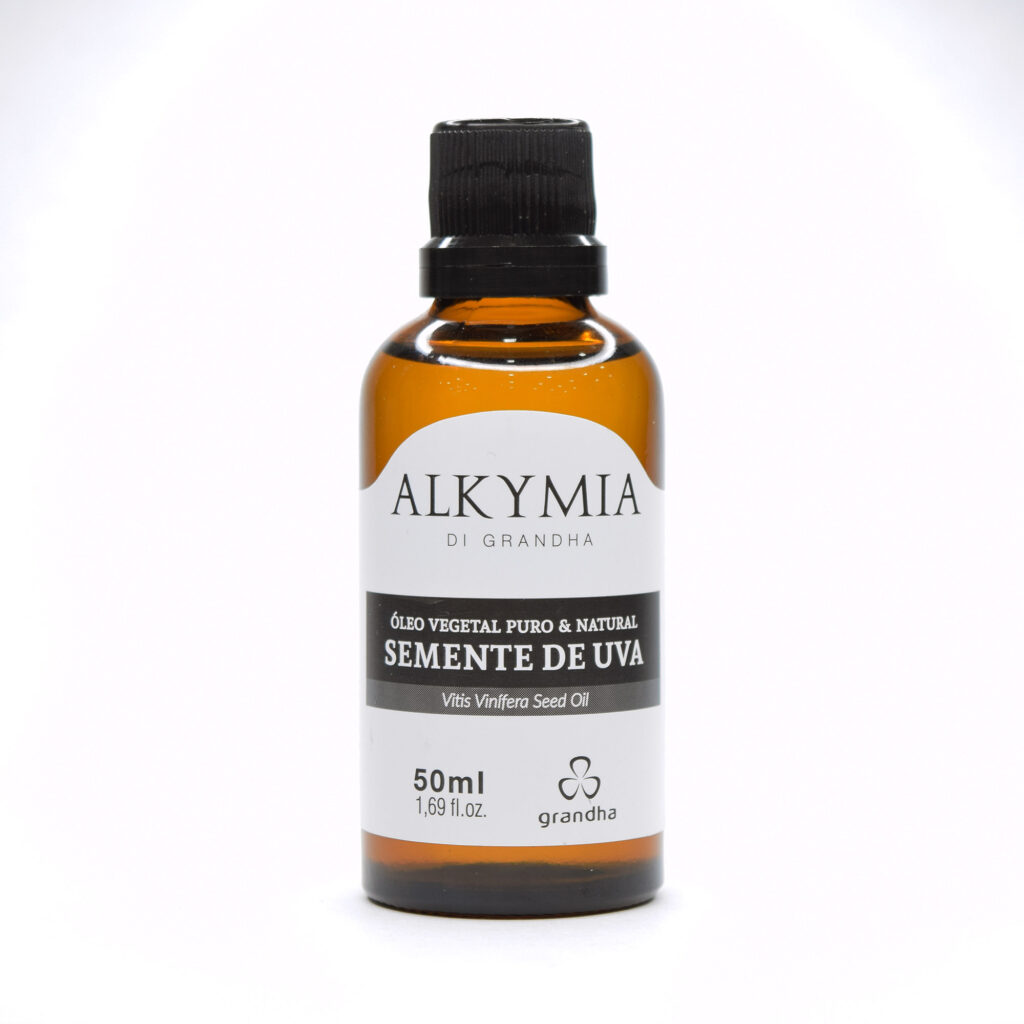
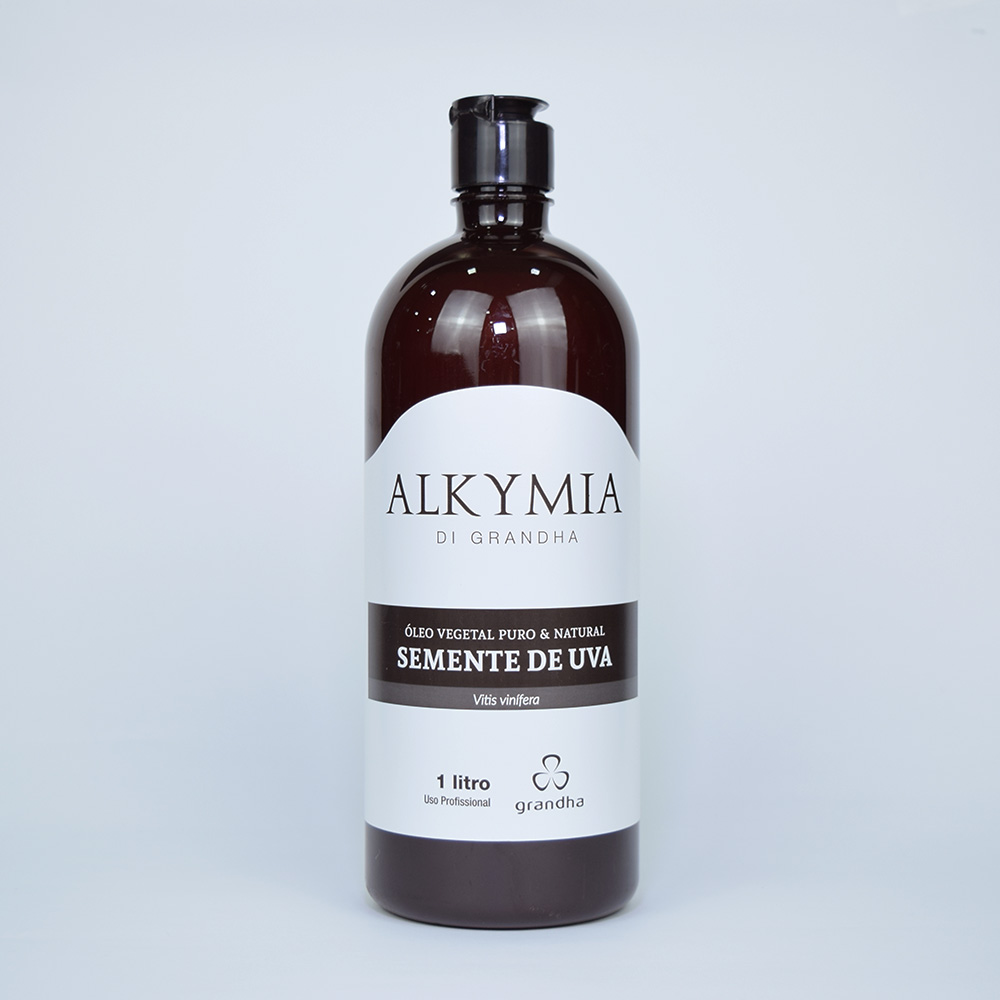
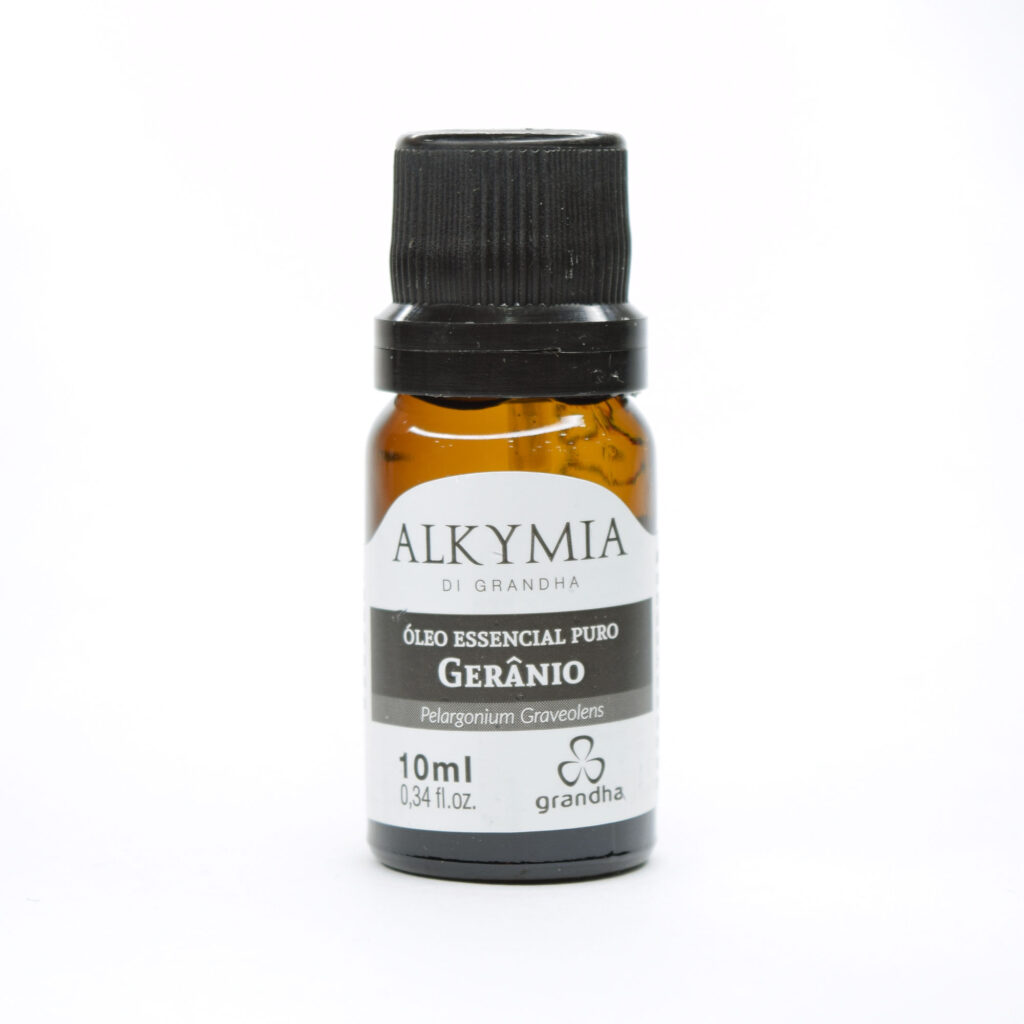
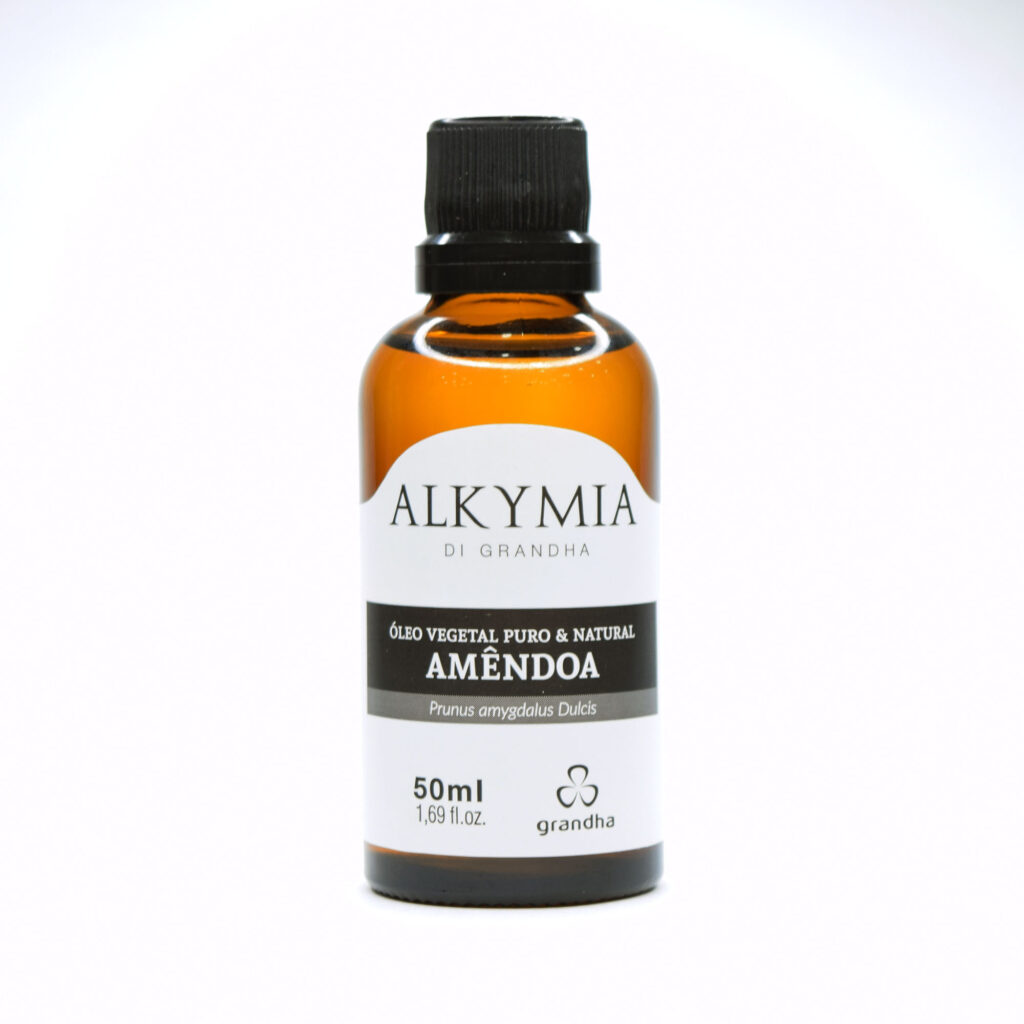
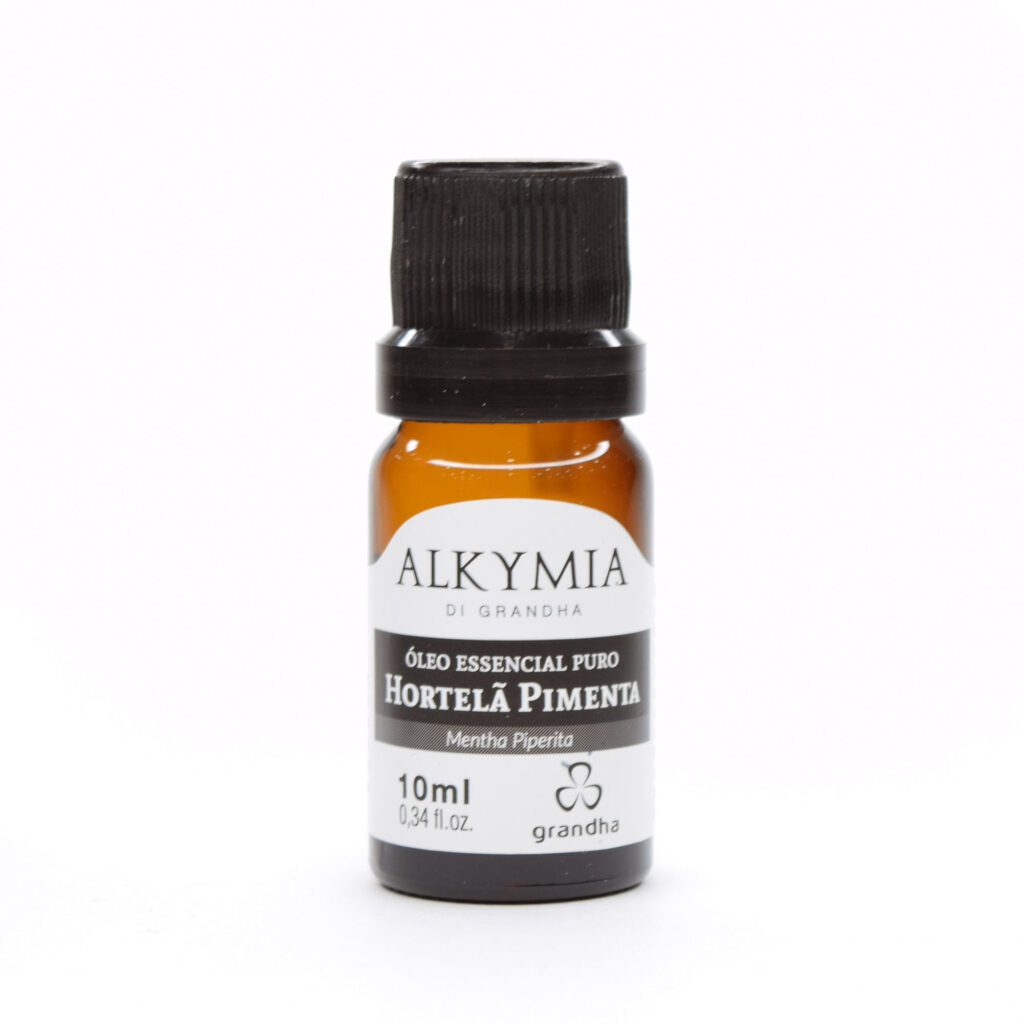
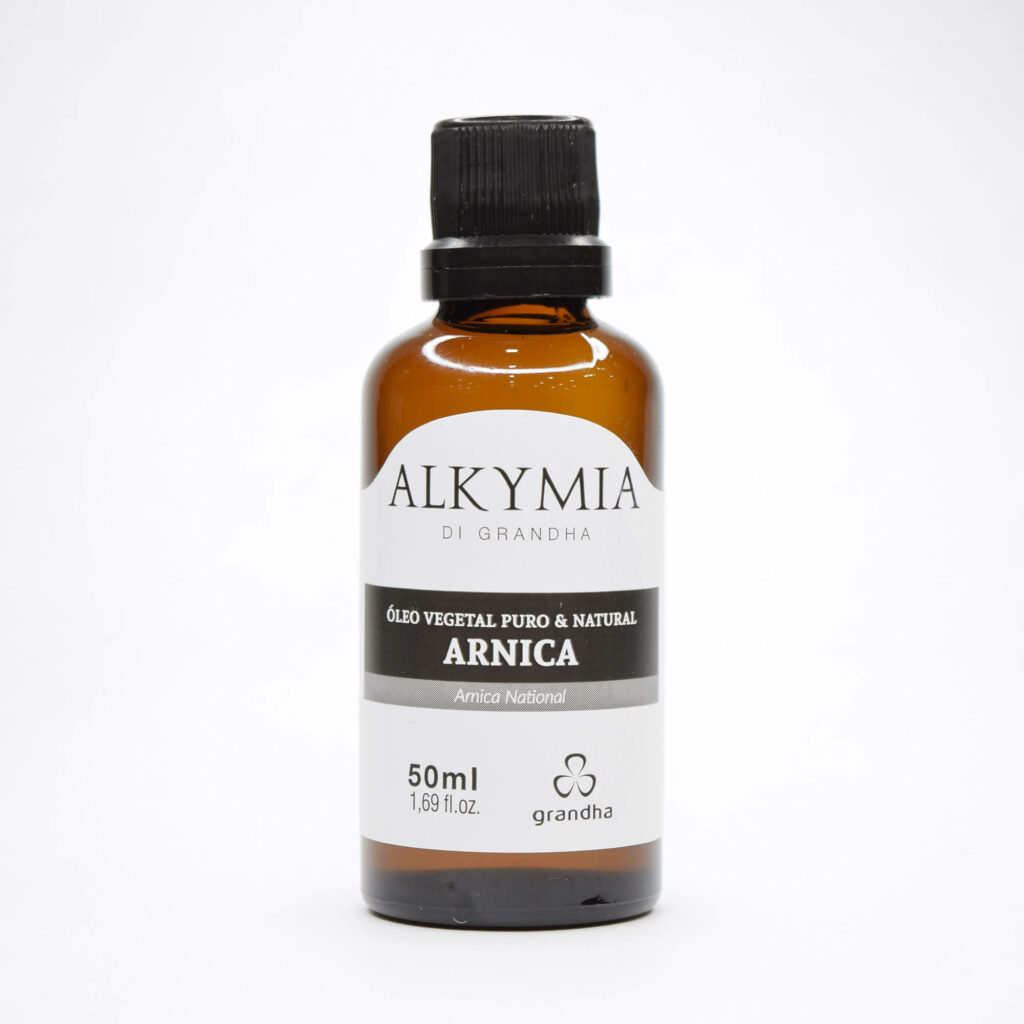
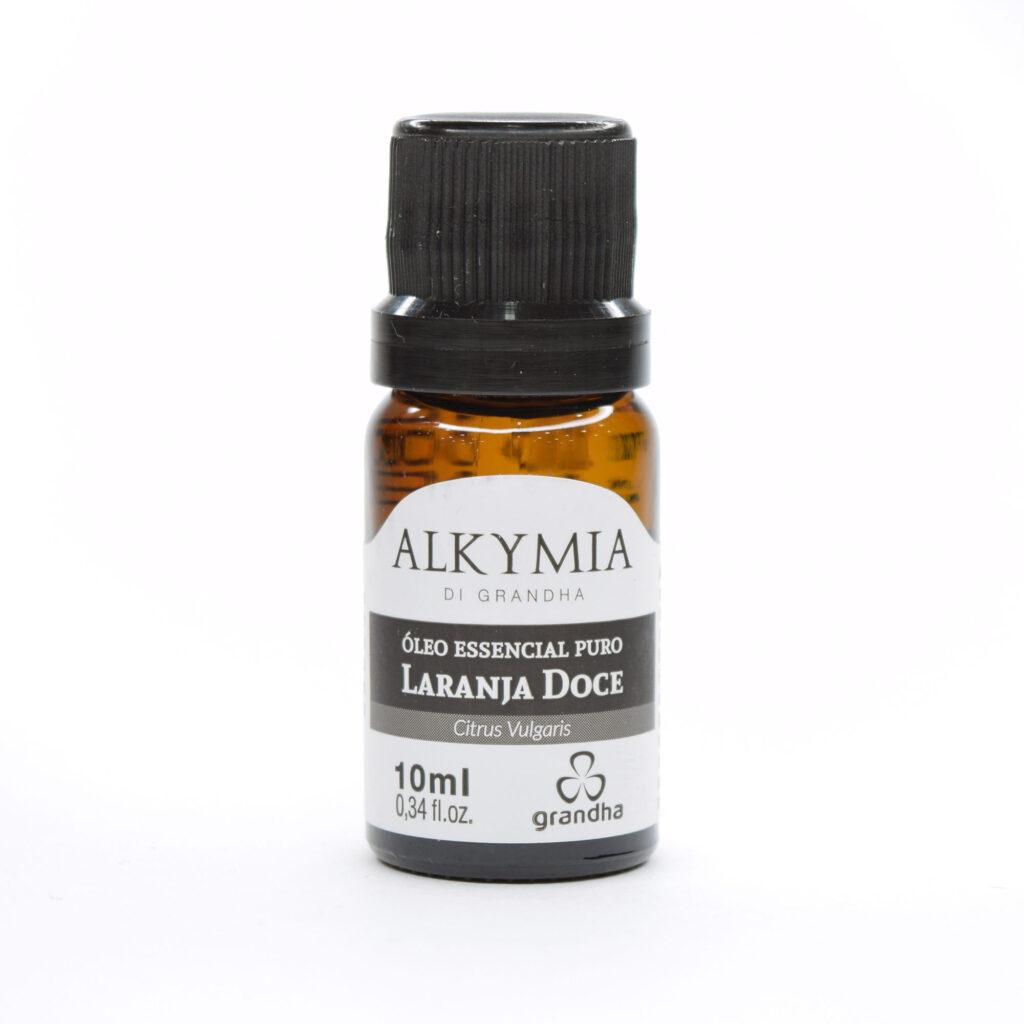
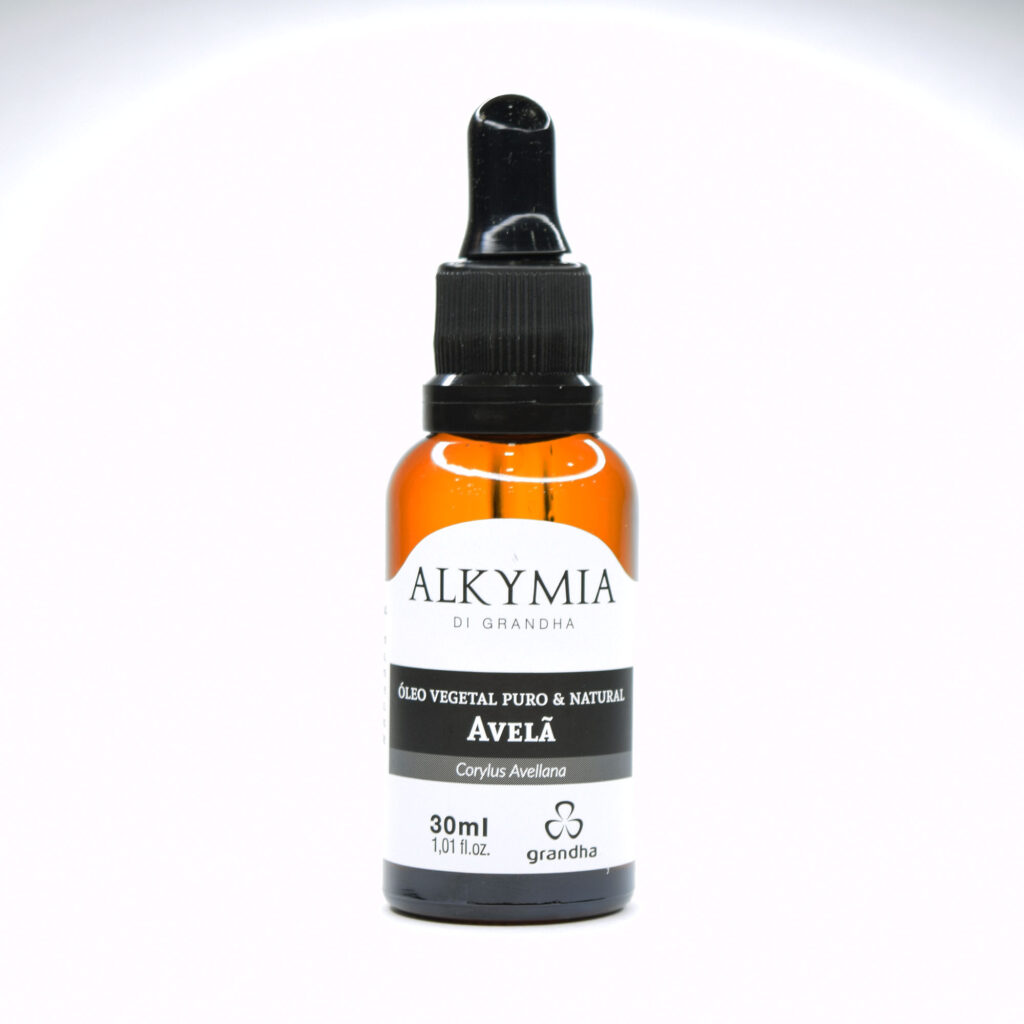
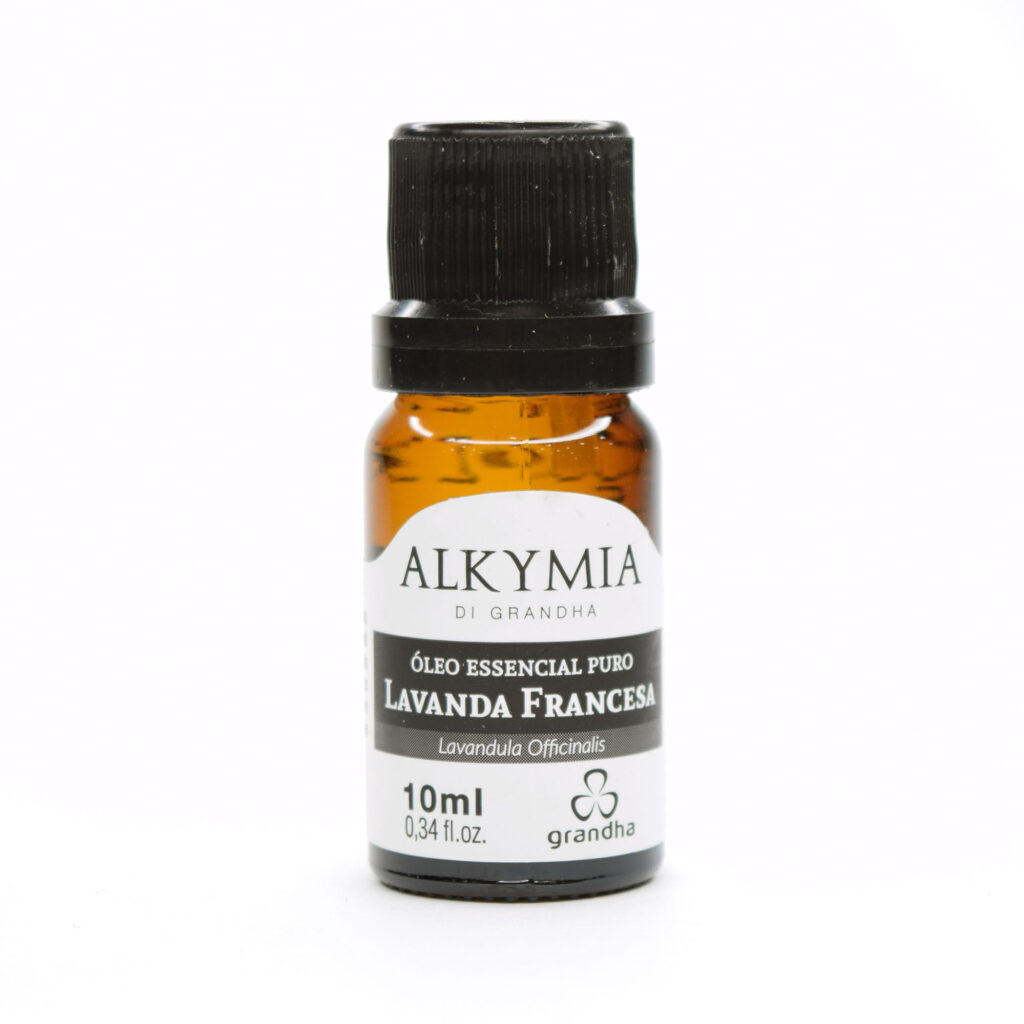
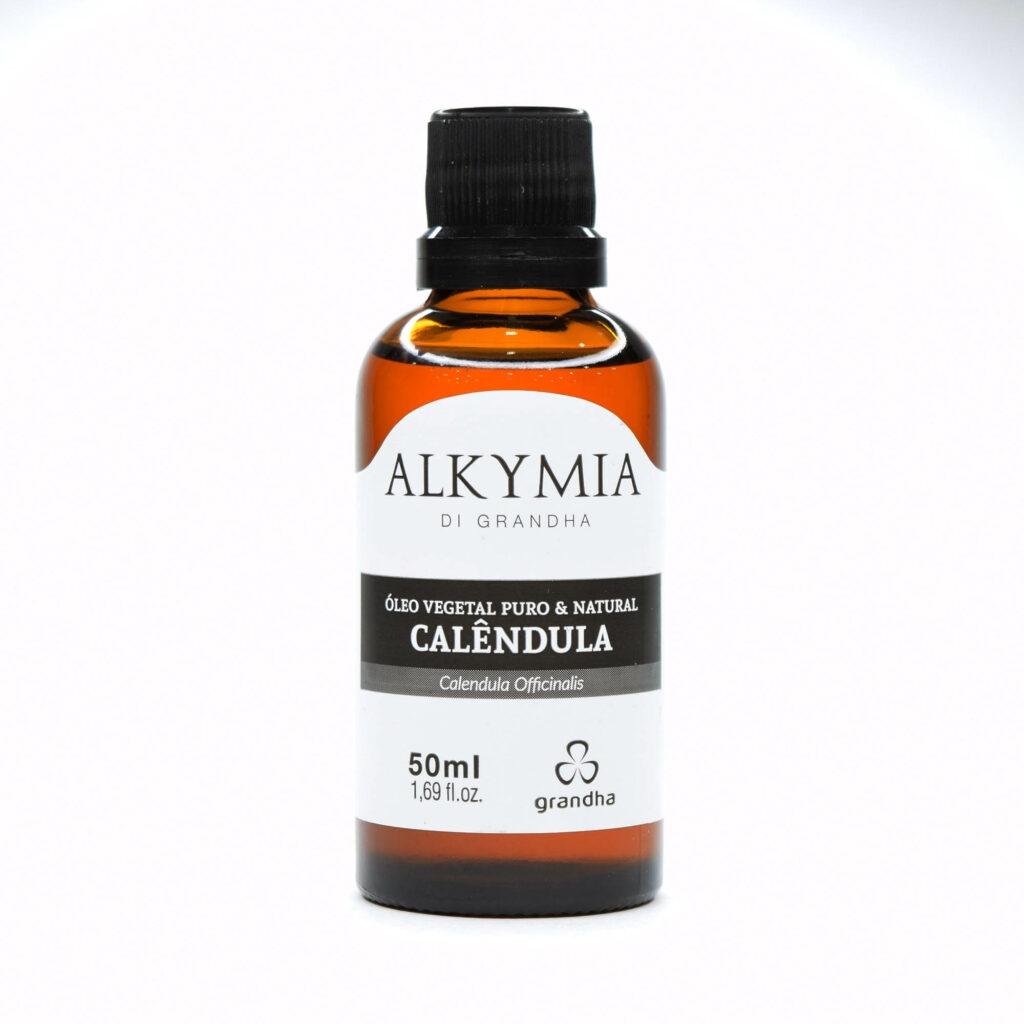
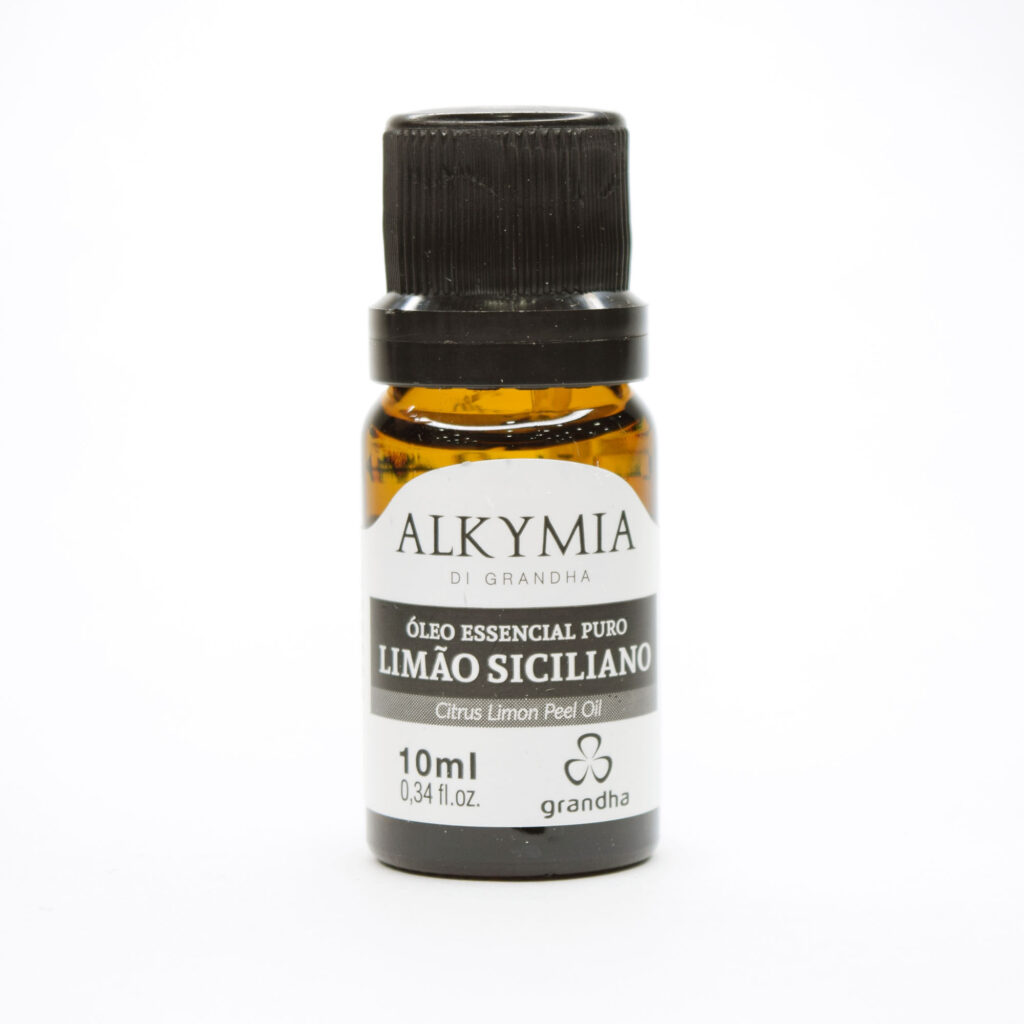
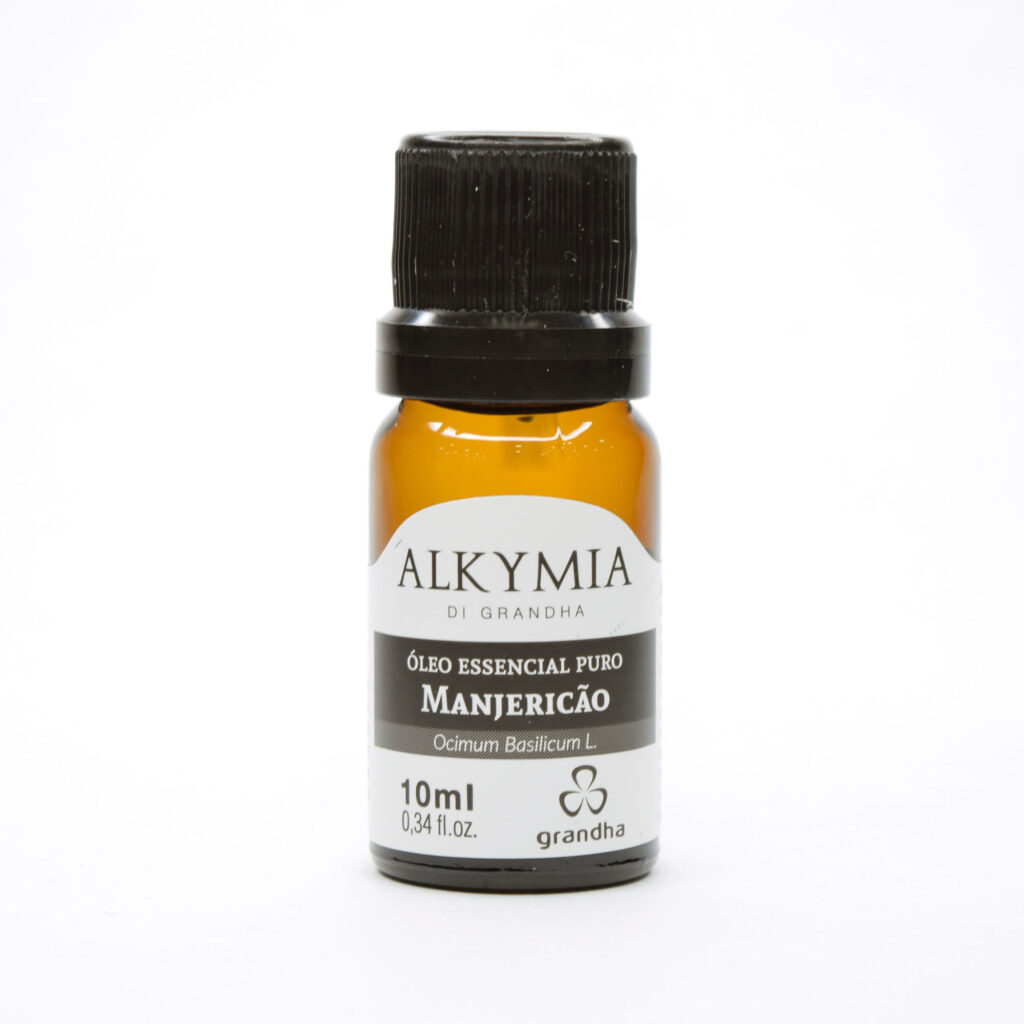
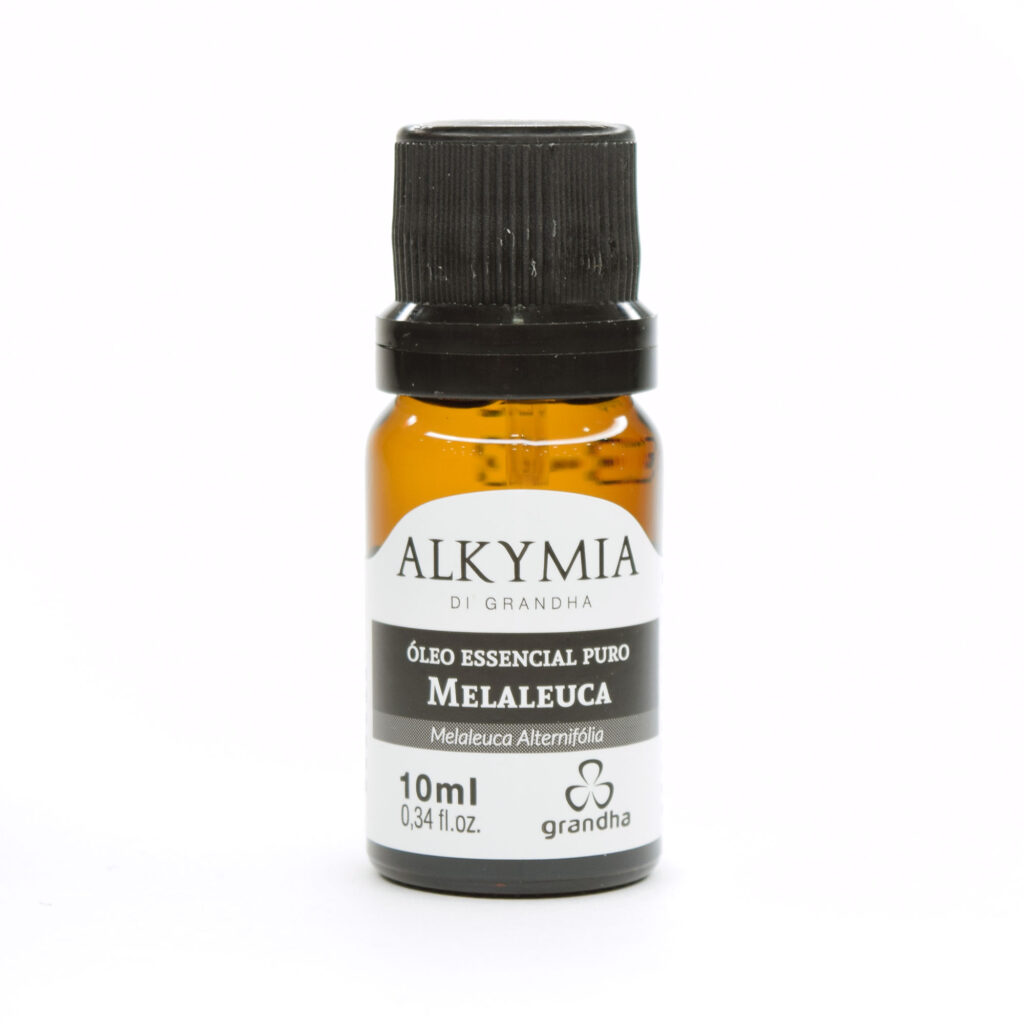
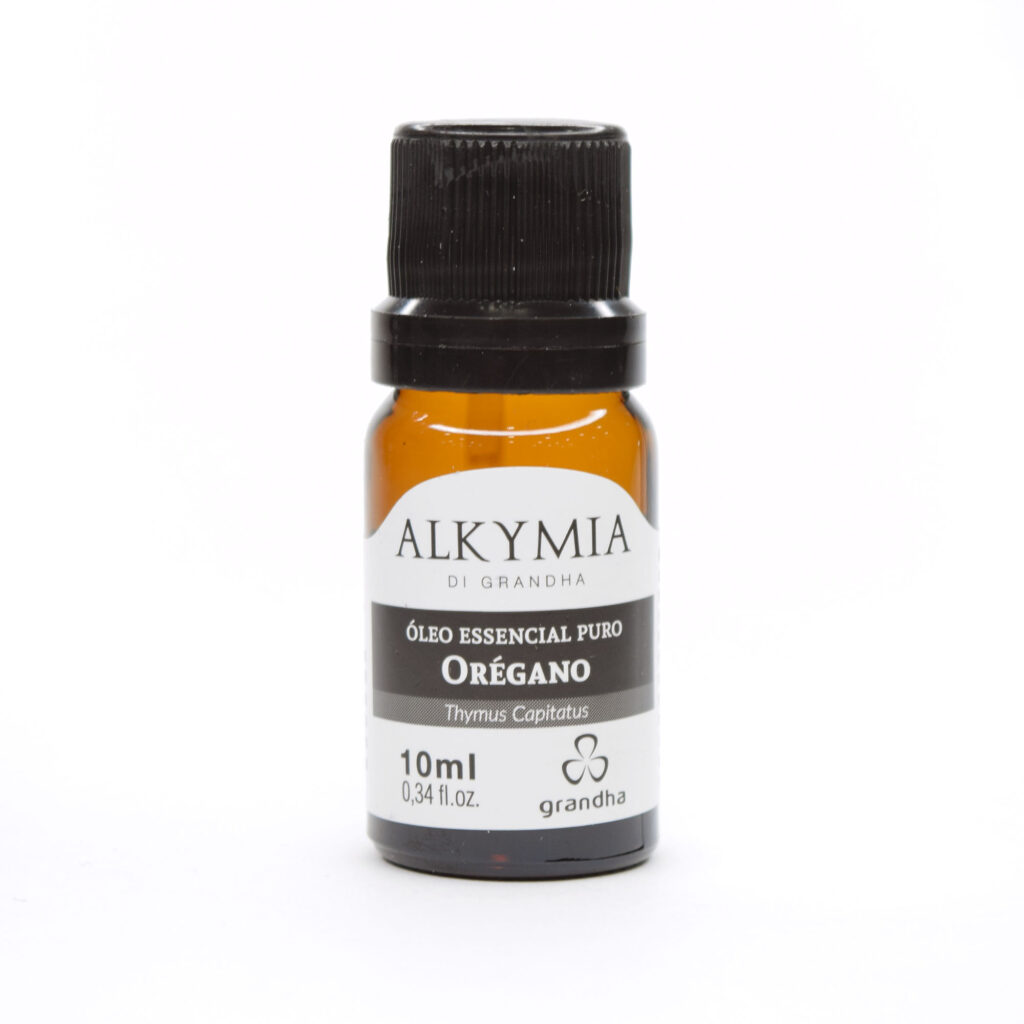
Vegetable Oils vs. Essential Oils: What's the Difference?
It is common to confuse between vegetable oils and essential oils, but the functions are distinct:
- Vegetable Oils (Carrier Oils): Extracted from seeds and fruits (such as coconut, avocado, or argan), they are rich in fats and serve as a base to nourish the fiber.
- Essencial oils: These are ultra-concentrated aromatic compounds extracted from plants and flowers. They possess therapeutic properties and need to be diluted in a vegetable oil (carrier oil) to be applied safely.
Ways to Use It: How to Integrate It into Your Routine
To achieve maximum performance, the application method must respect the hair's needs:
- Pre-Wash Application: Apply the vegetable oil to dry hair, leave it on for 15 to 20 minutes, and then rinse. This helps remove some dirt and replenishes the hair's lipid balance.
- Enhancing hair treatments: Apply before your chosen hair treatment to enhance the repair of extremely dry or chemically treated hair.
- Hair Therapy – Scalp: Some specific oils, when used in conjunction with epicranial massage protocols, contribute to maintaining the health of the hair follicle and can help control scalp flaking.
Introducing high-purity vegetable oils into your hair care routine transforms the texture and strength of your hair. GrandhaWe prioritize active ingredients that respect hair physiology, combining the wisdom of nature with the precision of cosmeceutical technology.
Frequently Asked Questions (FAQ's)
1. Can vegetable oils deeply moisturize hair?
Not exactly. Oils don't replenish water (hydration), but rather lipids (nutrition). They are essential for retaining moisture within the hair fiber, maintaining water and preventing dryness.
2. Do vegetable oils help with hair growth?
Yes, some vegetable oils have therapeutic properties. Besides strengthening the hair shaft (outer region), which also helps prevent breakage, some specific vegetable oils, when applied and massaged into the scalp, help create a more favorable environment for hair growth.
3. Can vegetable oils be used on the scalp?
Yes. Unlike mineral oils, vegetable oils are biocompatible. They can be used to treat flaking or as carriers for essential oils, provided they are properly removed to avoid residue buildup.
4. Do vegetable oils weigh down all hair types?
No. The result depends on the oil's density and the hair's porosity. Fine hair benefits from lighter oils (like grapeseed oil), while thick, dry hair can tolerate richer oils (like avocado or macadamia).
5. Can vegetable oils replace conditioner?
No. Conditioner has the specific function of balancing the pH and aligning (“sealing”) the cuticles after shampooing. Vegetable oils act as a complementary treatment to replenish the lipid charge of the hair.