The safest way to use rosemary oil on the scalp is before washing, diluted in a vegetable oil and then rinsed. Discover the benefits of this active ingredient and learn about the Essential and Vegetable Oils line from [Brand Name]. Grandha.
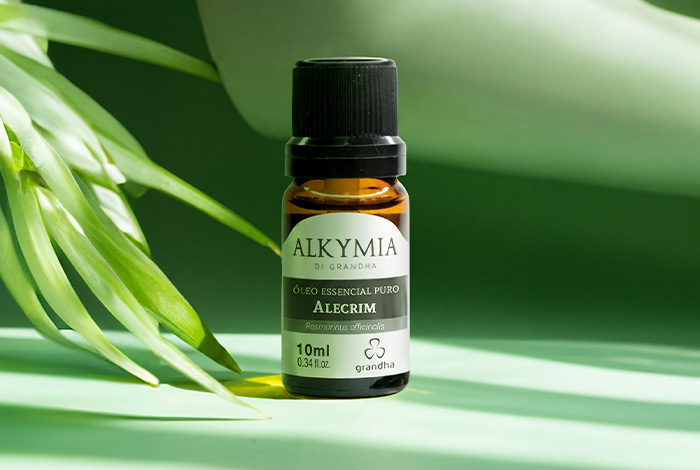
The search for natural and scientifically proven solutions to stimulate hair growth and combat hair loss has made rosemary oil on the scalp one of the most talked-about topics in modern hair therapy. Known for its vasodilating, antioxidant, and toning properties, this botanical active ingredient is a true ally for hair health from root to tip.
However, a practical question is frequently asked in salons and in home care routines: should we use rosemary oil on the scalp before or after washing our hair?
As a hair care specialist, I explain the correct application method, the difference between essential oil and vegetable oil, and how to use professional aromatherapy to benefit your scalp.
How does rosemary oil work on hair?
Rosemary essential oil (Rosmarinus officinalisIt is rich in bioactive compounds, such as cineole and camphor, which act directly on the scalp's microenvironment.
- Stimulation of microcirculation: It promotes mild vasodilation in the perifollicular region, increasing oxygenation and nutrients to the hair matrix.
- Antioxidant action: It combats oxidative stress that ages the hair follicle.
- Microbiological control: It helps control the microbiological conditions of the scalp, contributing to a healthy skin environment.
To obtain all these benefits without causing irritation or sensitivity, the method and timing of application make all the difference.
Should you use rosemary oil on your hair before or after washing?
The ideal technical response for applying rosemary oil to hair varies depending on the treatment goal and the product's presentation.
1. Apply before washing (root therapy)
This is the primary and safest way to use rosemary essential oil on the scalp:
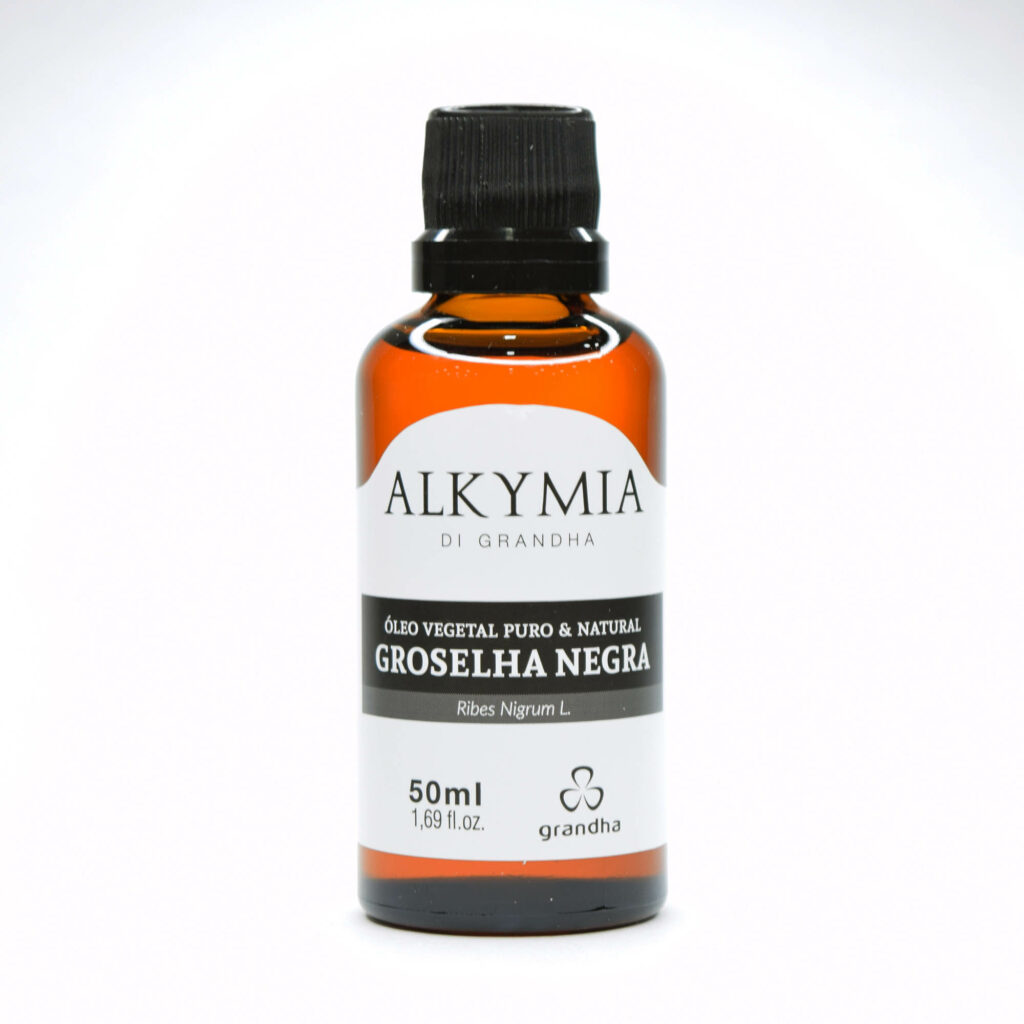
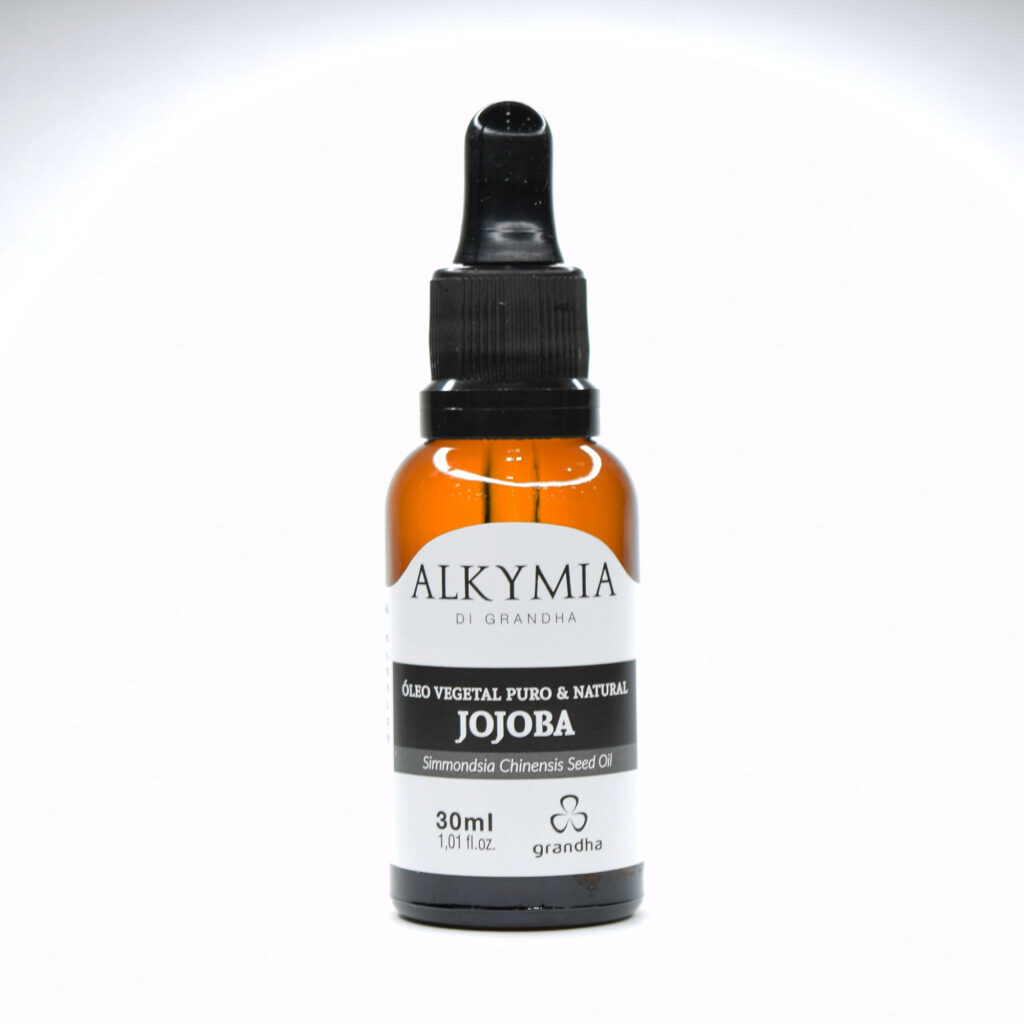
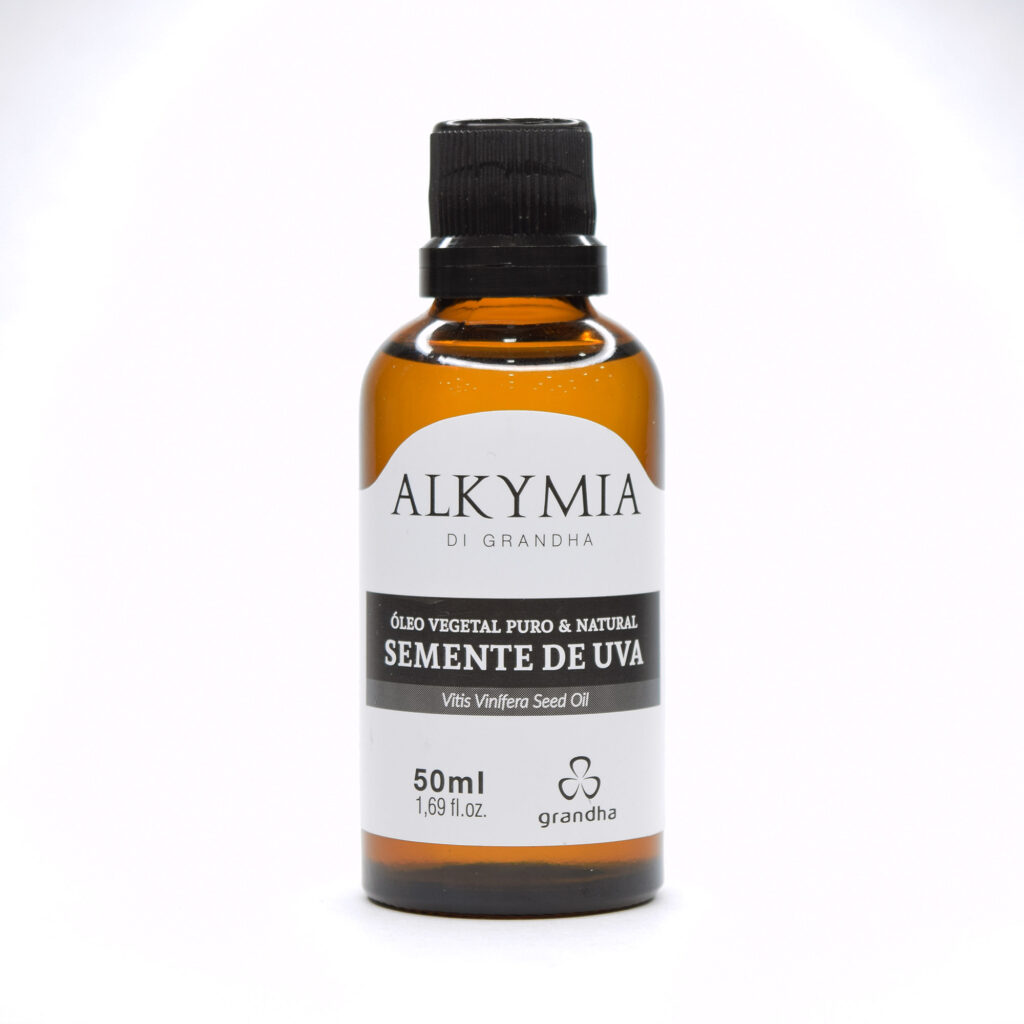
- How to Use: Rosemary essential oil should never be applied undiluted directly to the skin, as it can cause burns or contact dermatitis. It must be diluted in a carrier vegetable oil (such as jojoba, grapeseed, or sunflower oil) or in a suitable vegetable base.
- Instructions for use: Apply the mixture to a dry scalp before washing, massaging in circular motions with your fingertips for 5 to 10 minutes. Leave it on for about 20 minutes, then wash your hair with a therapeutic shampoo to remove any excess.
- Advantage: This cleansing after the therapeutic action of the oil blend ensures that this synergy of oils works on the skin without leaving the roots heavy or greasy.
2. Application after washing (finishing and toning)
The recommendation to use it after cleansing is only indicated when the essential oil is present in specific cosmetic formulations.
- Ready-to-use serums and toners: If the active ingredient is incorporated into a leave-in tonic (or professionally formulated hair elixir), it can be applied to a clean, slightly damp scalp.
- Beware of pure oils: Applying vegetable or essential oils to the roots after washing without proper rinsing can lead to an oily appearance, clogged follicles (follicular ostia), and, in addition, improper use or high concentrations of essential oil can cause skin irritation and sensitization.
Aromatherapy and cosmetic synergy: essential and vegetable oils Grandha
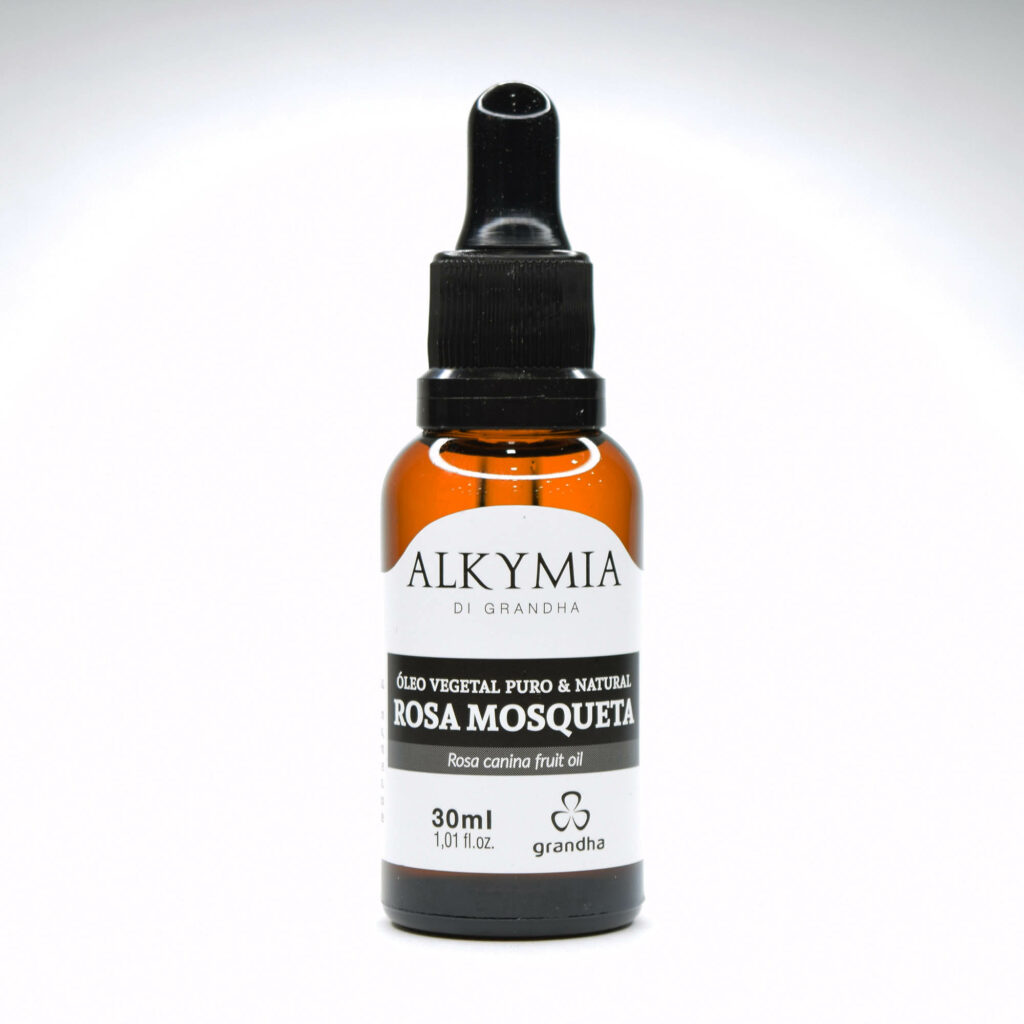
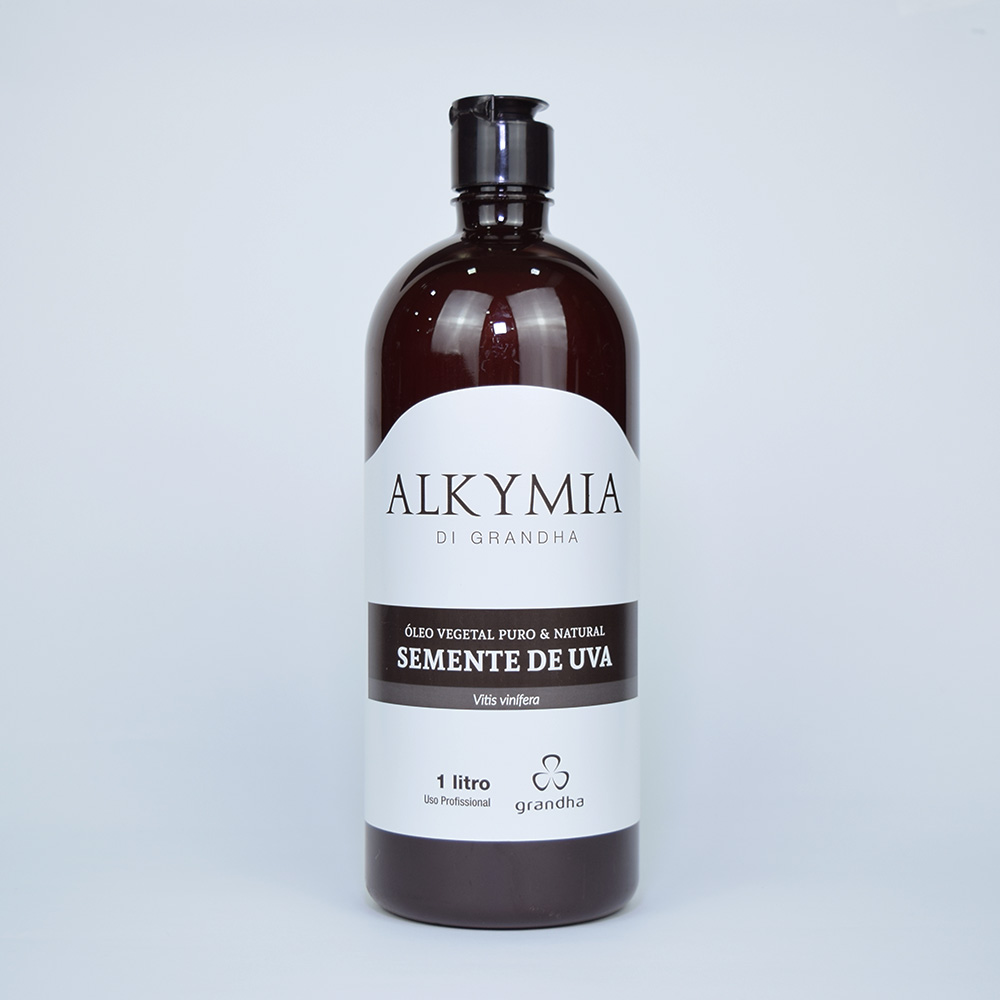
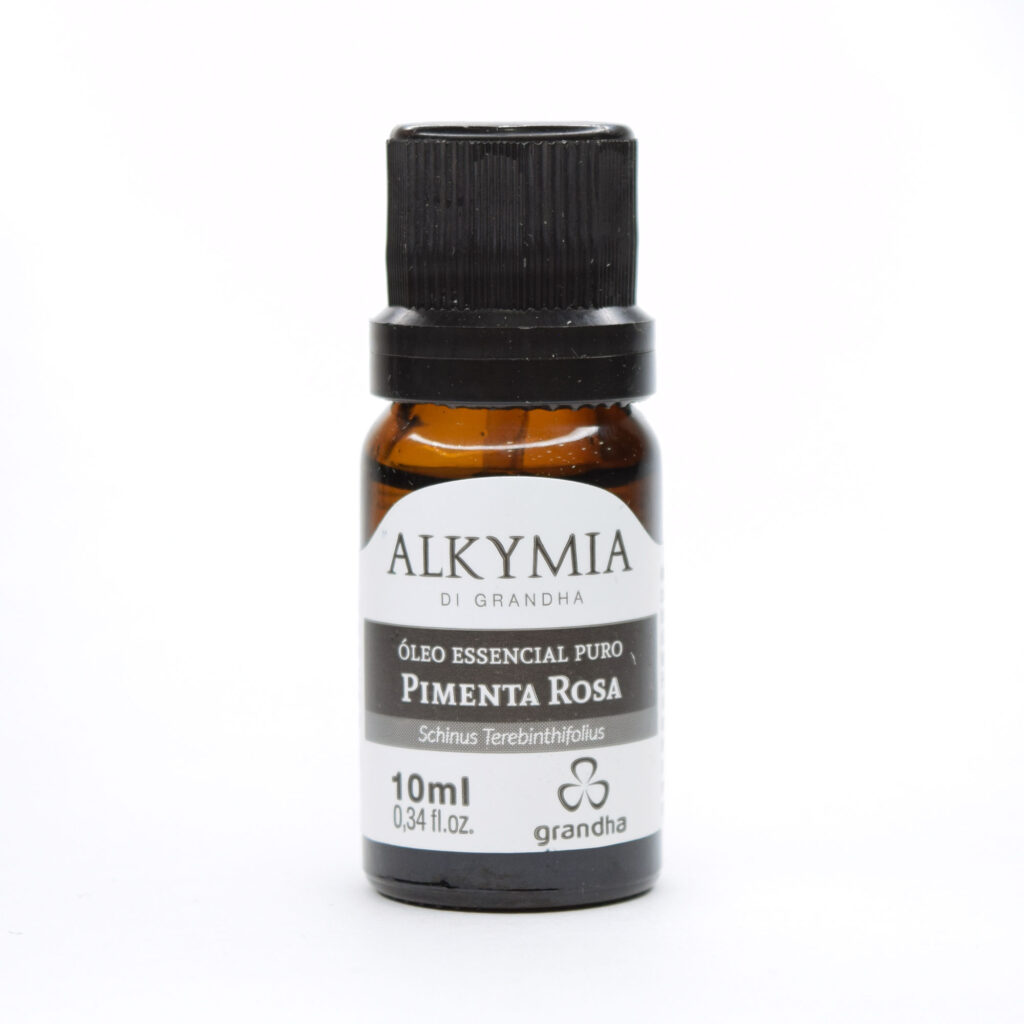
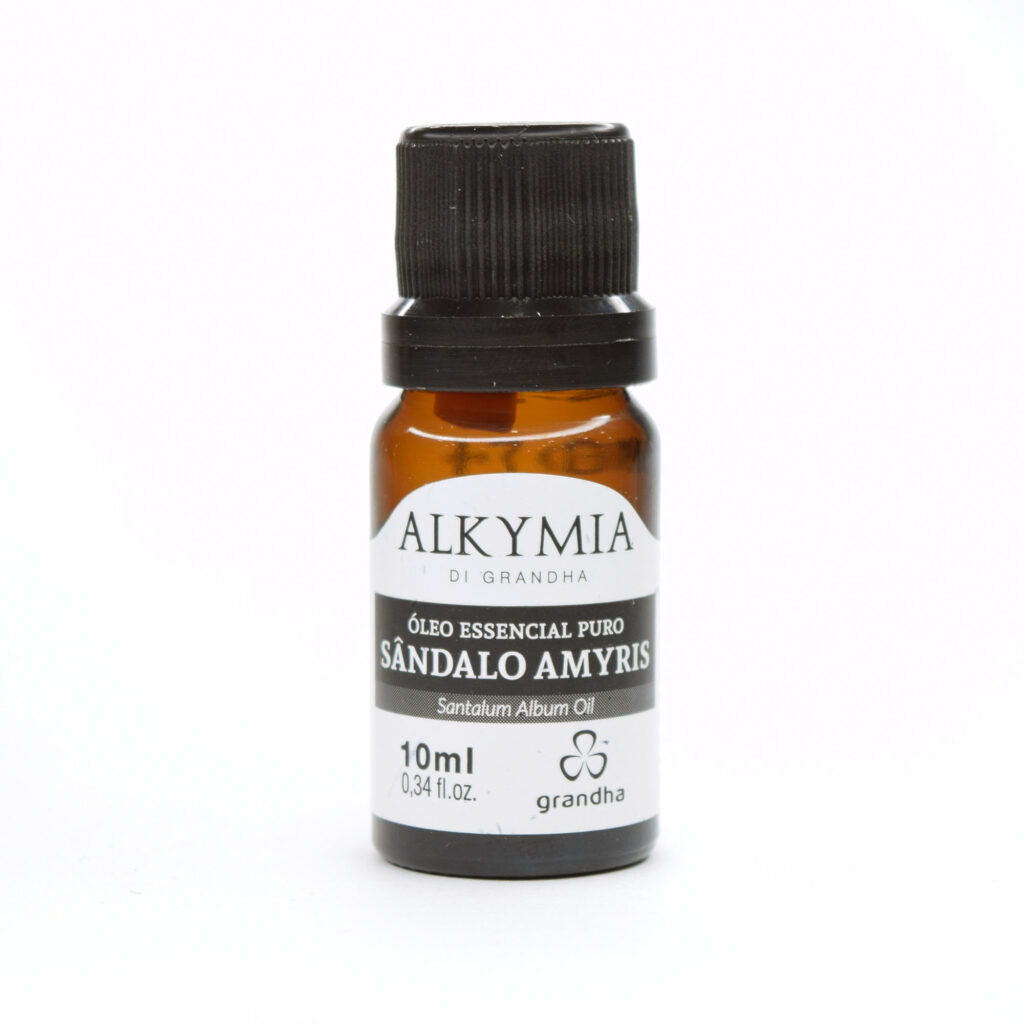
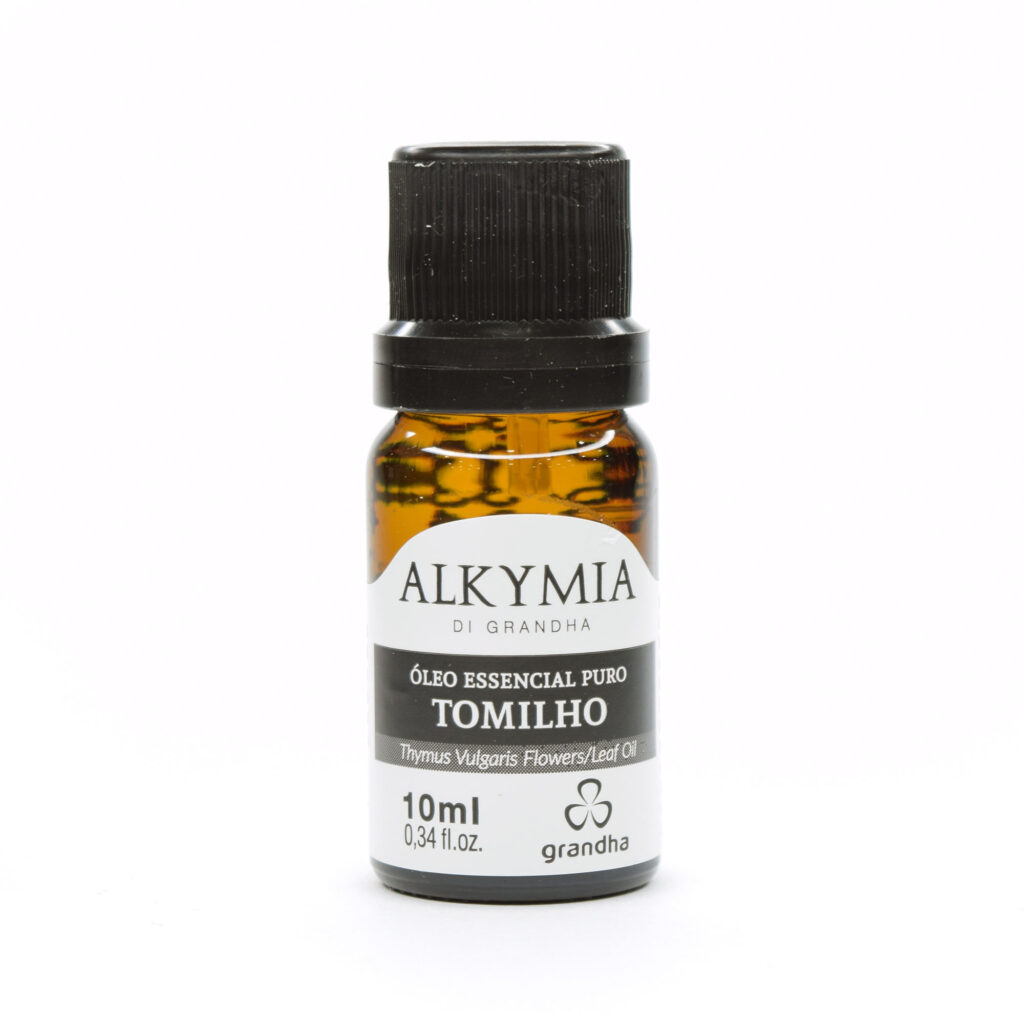
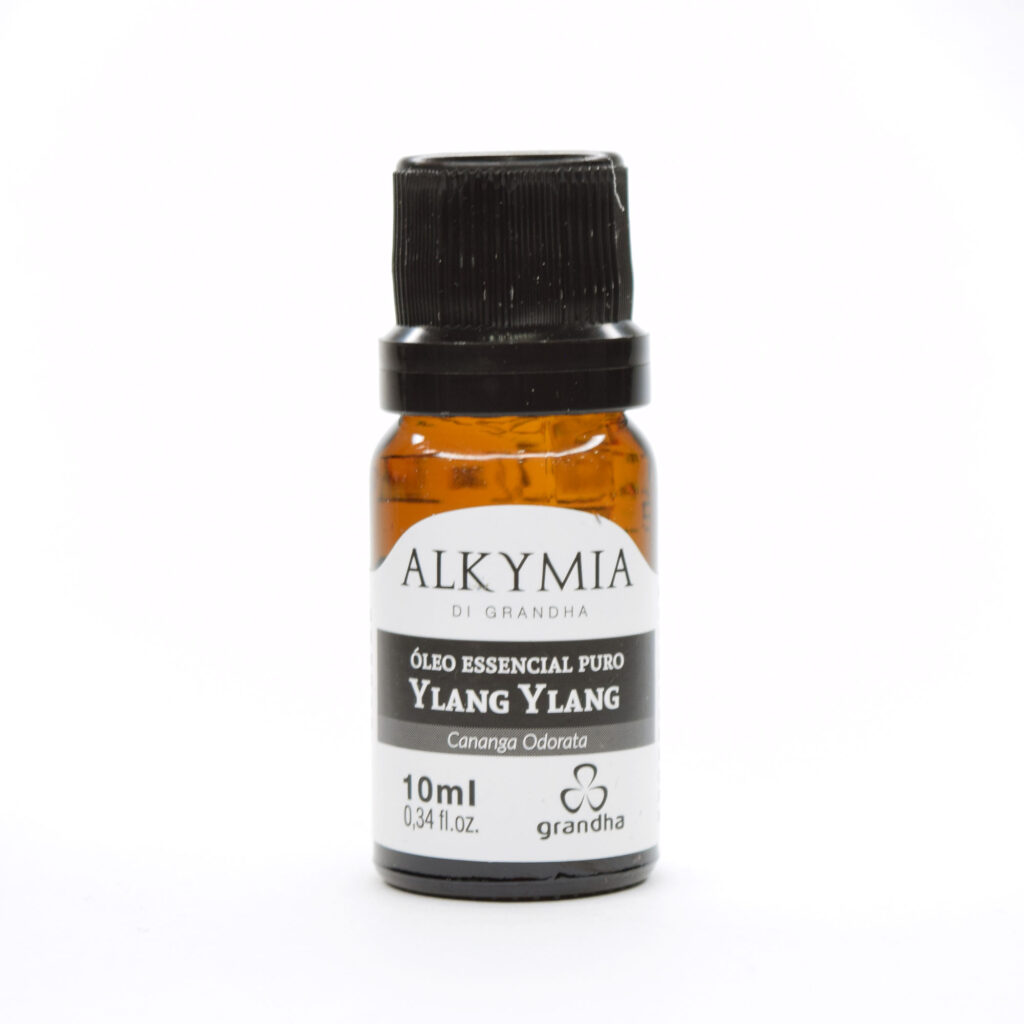
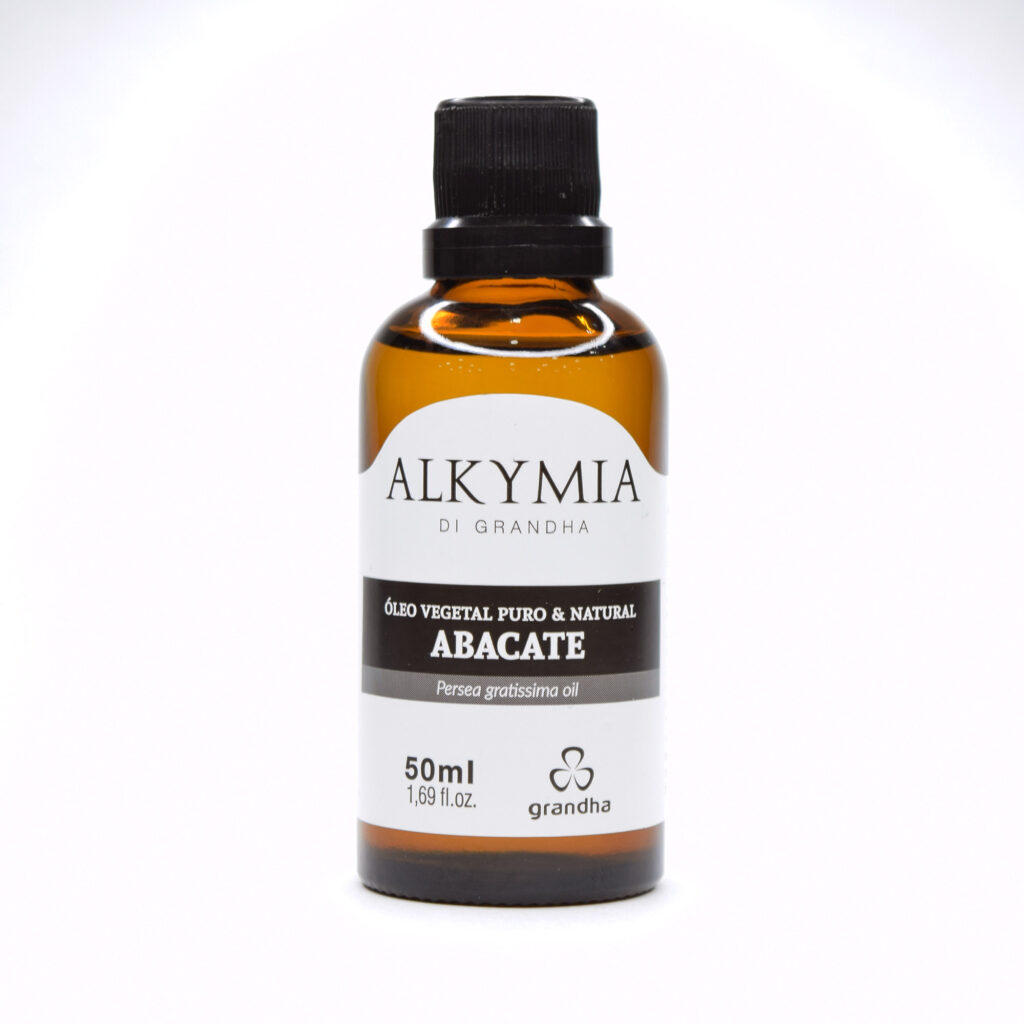
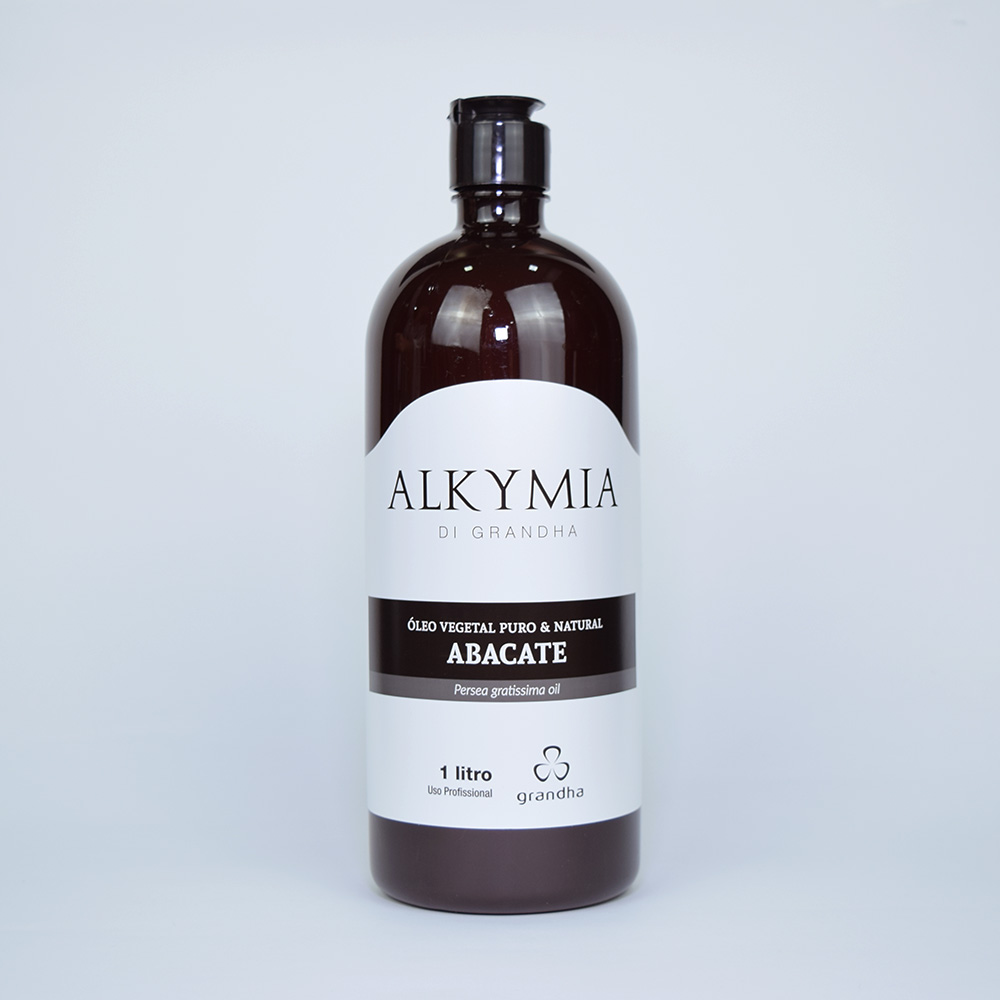
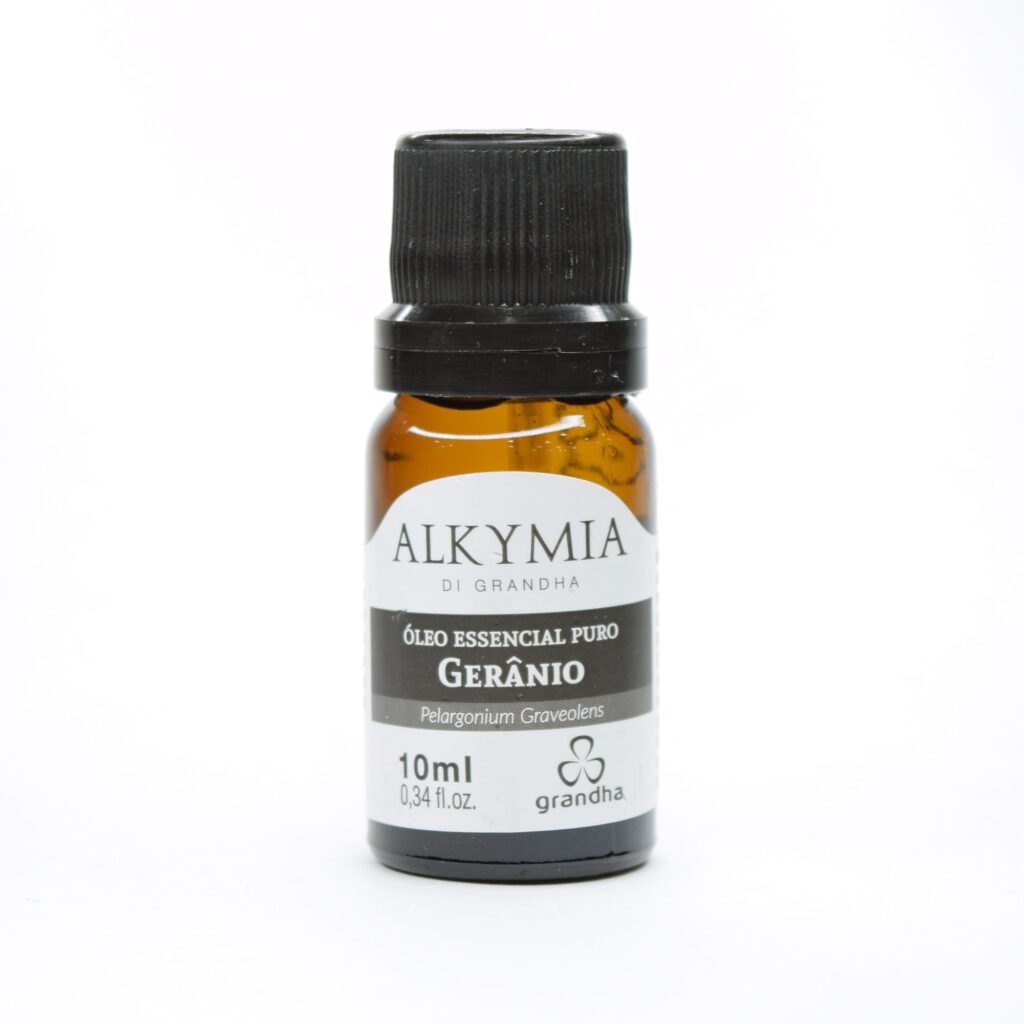
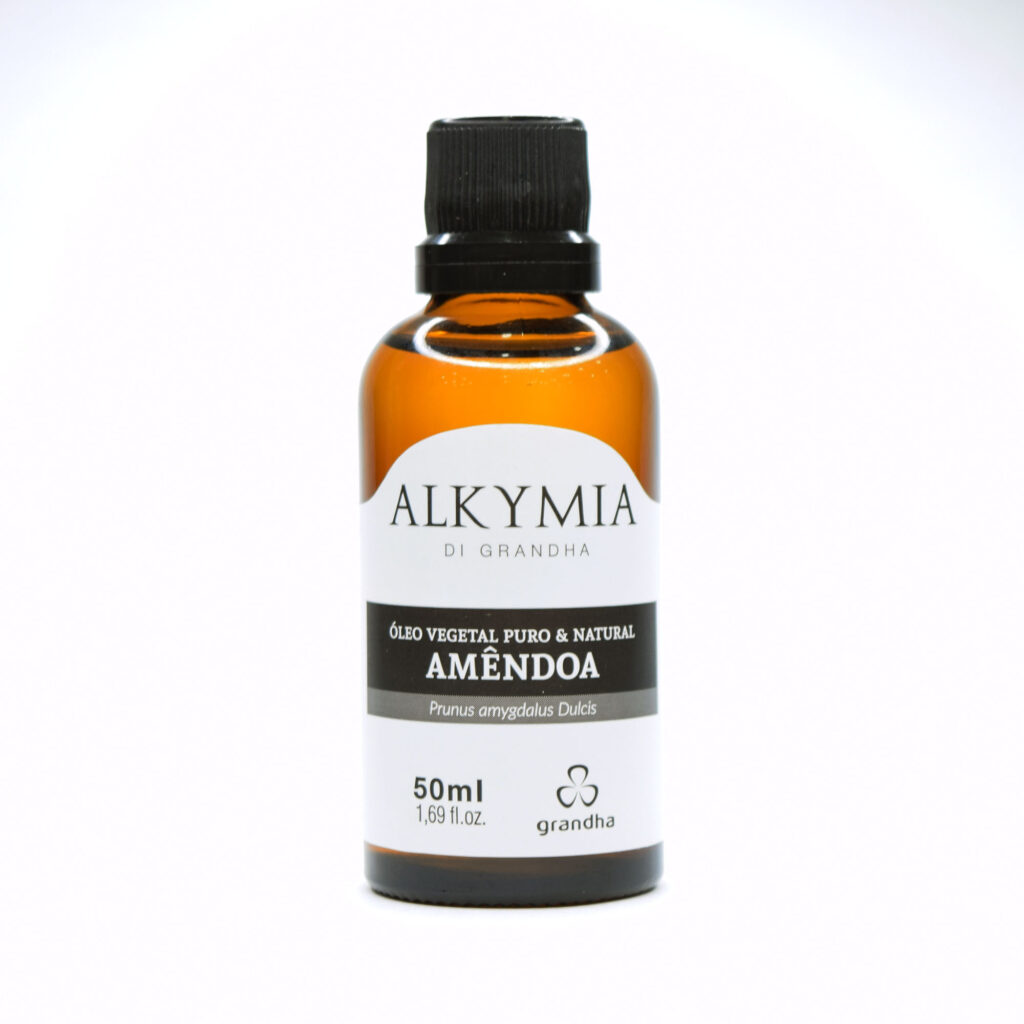
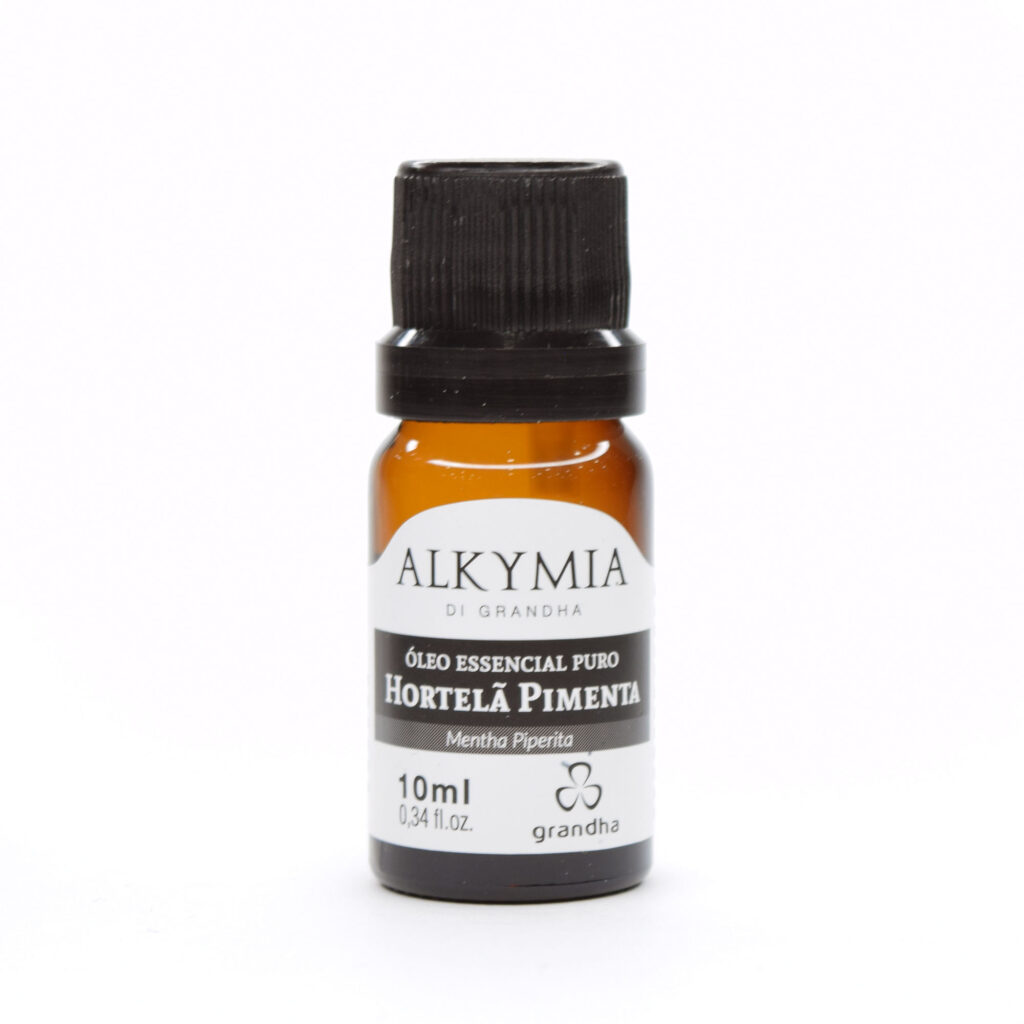
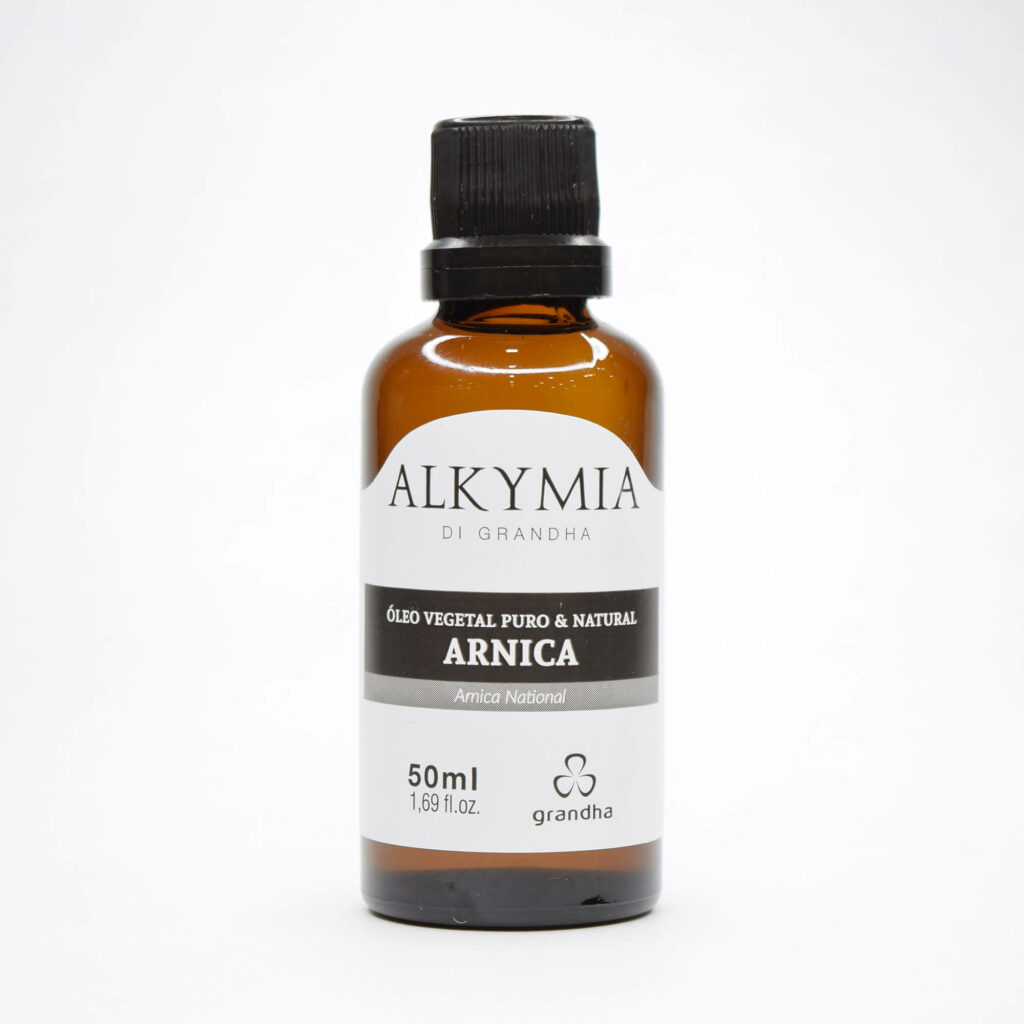
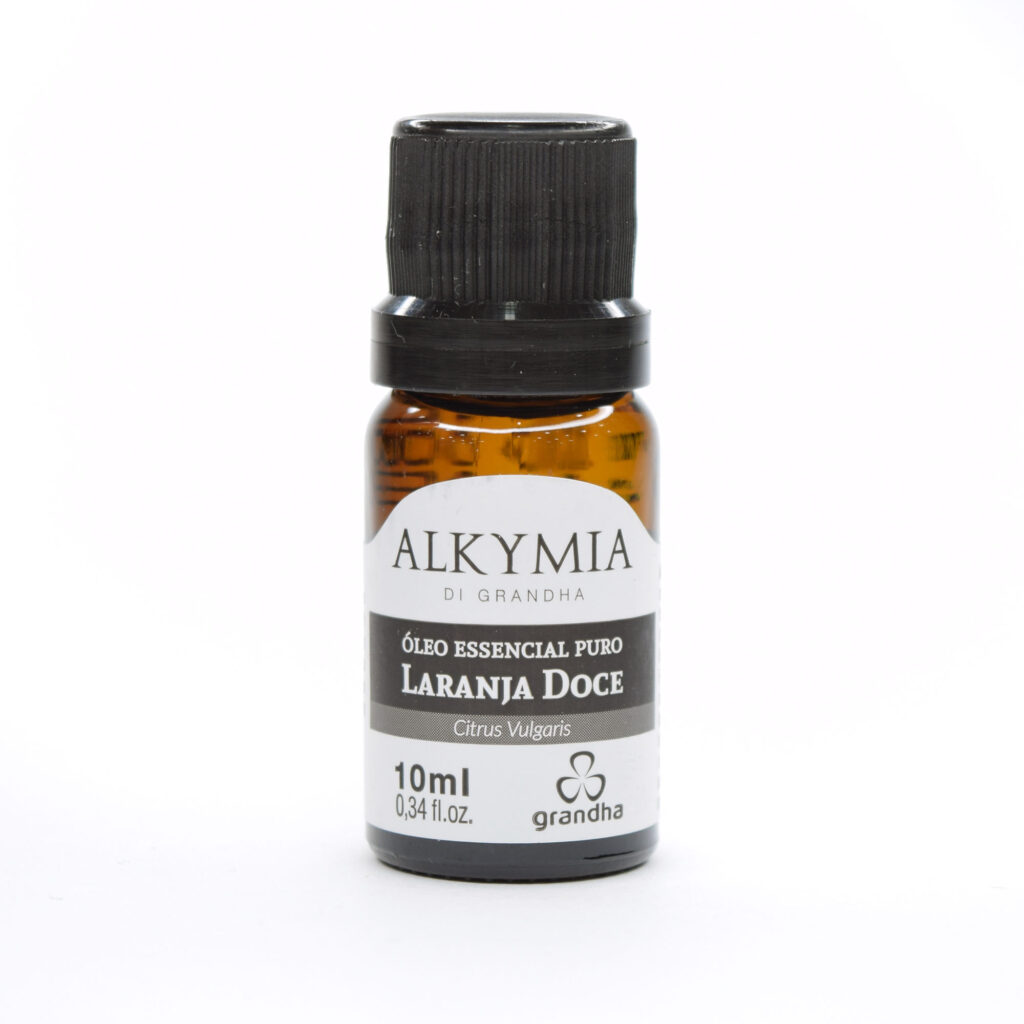
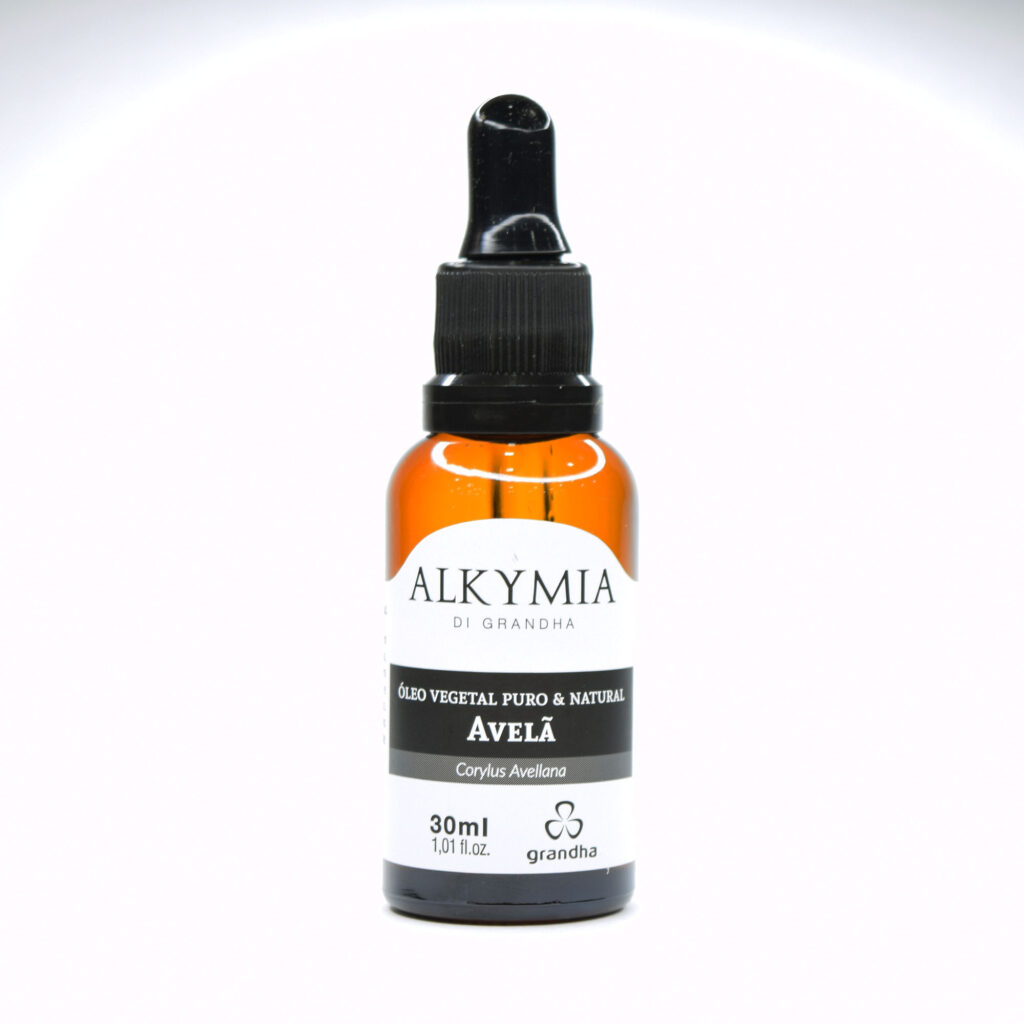
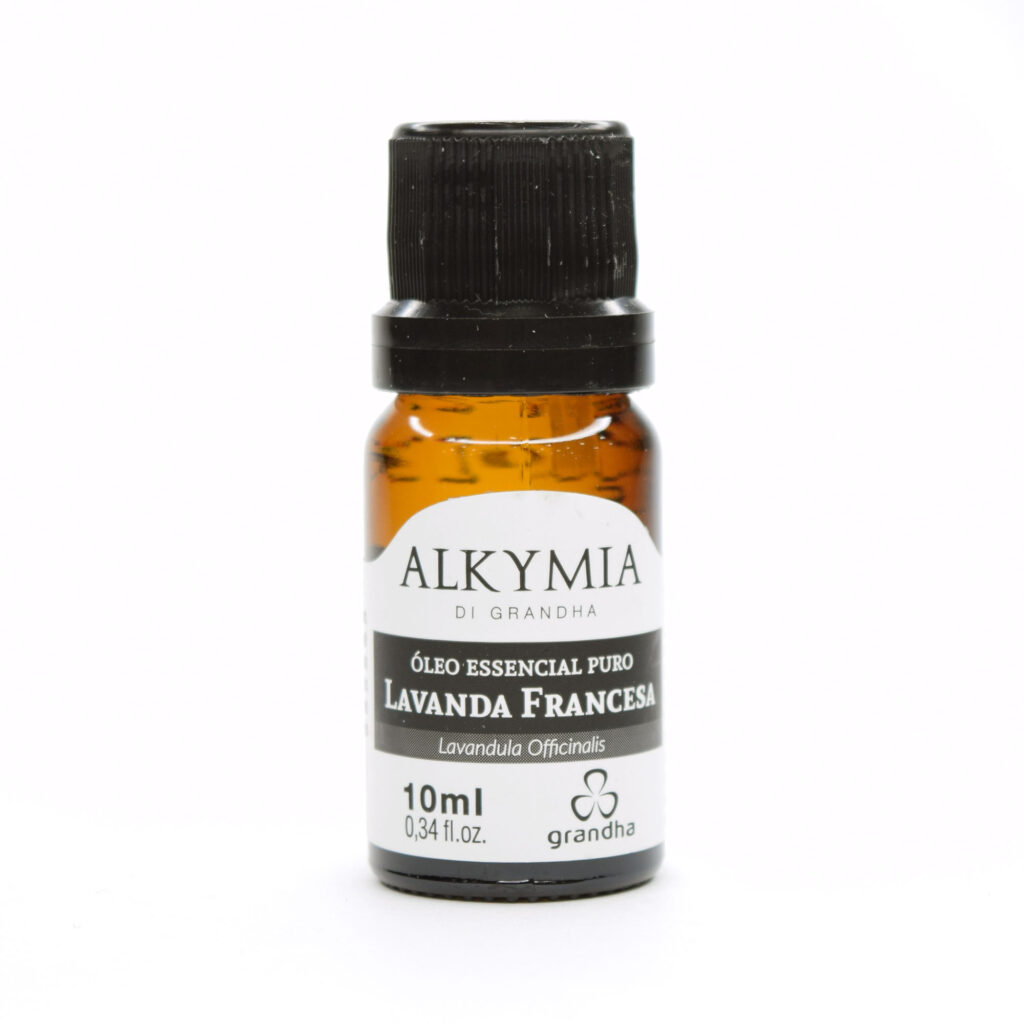
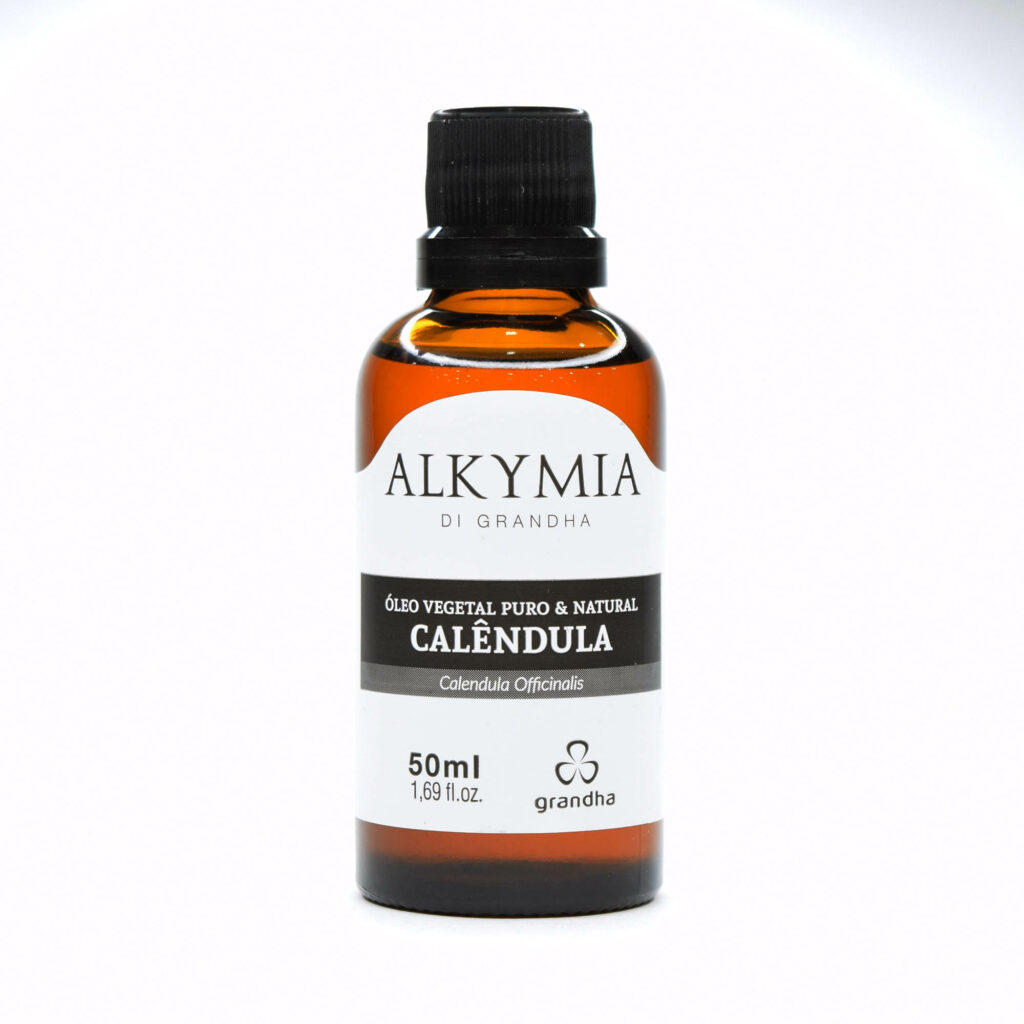
To ensure maximum effectiveness and safety when applying rosemary oil to hair, the Grandha Professional Hair Care has developed a complete portfolio focused on Essential and Vegetable Oils.
The line of botanical solutions from Grandha It combines the purity of botanical ingredients with rigorous technical and scientific standards in the development of its formulations.
- 100% pure essential oils: Extracted using high quality standards to preserve the integrity of the active ingredients, ensuring real therapeutic action on the scalp.
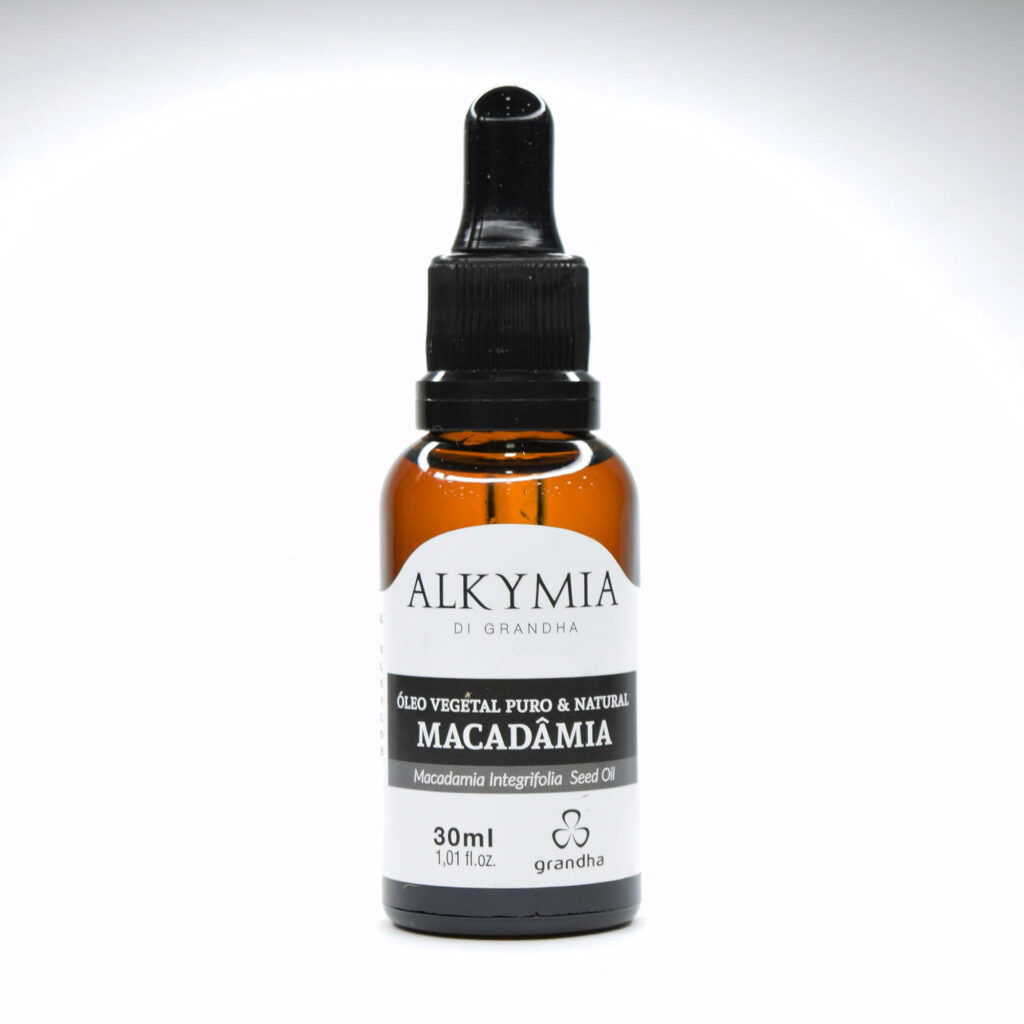
- Vegetable carrier oils: High-quality, biomimetic lipid bases that serve as a safe vehicle for diluting rosemary oil (among other essential oils), delivering lipid nutrition and repair to the hair shaft and scalp.
- Exclusive synergies for hair therapy: Ready-made blends that combine rosemary with other essential oils (such as tea tree, lavender, and peppermint) to treat hair loss, oily skin, and skin stress in an integrated way.
By relying on the purity and high technology of the line Alkymia di Grandha and the portfolio of Essential and Vegetable Oils from GrandhaBy doing this, you elevate natural care to the level of professional cosmetology, ensuring a healthy scalp and visibly stronger hair.
Frequently Asked Questions (FAQ)
Should rosemary oil be used before or after washing your hair?
For direct application to the scalp, the primary and safest method is before washing, always diluted in a carrier vegetable oil and followed by rinsing.
Can pure rosemary essential oil be applied to the scalp?
No. Pure essential oil can cause irritation, burns, or contact dermatitis, so it must be diluted in a suitable vegetable oil or carrier oil.
What benefits can rosemary oil offer to the scalp?
The article highlights actions related to microcirculation, combating oxidative stress, and assisting in the microbiological control of the scalp.
How to use rosemary oil before washing?
The diluted mixture can be applied to a dry scalp, followed by a gentle massage for a few minutes before shampooing.
Is it okay to use rosemary oil after washing your hair?
Yes, but especially when it's already incorporated into specific cosmetic formulations, such as tonics, serums, or leave-in products developed for application to a clean scalp.