
Did you know that simple habits, such as hot showers or excessive stress, can be sabotaging the control of your seborrhea and dandruff? Understand how temperature, unsuitable products, and oil buildup create the perfect environment for inflammation.
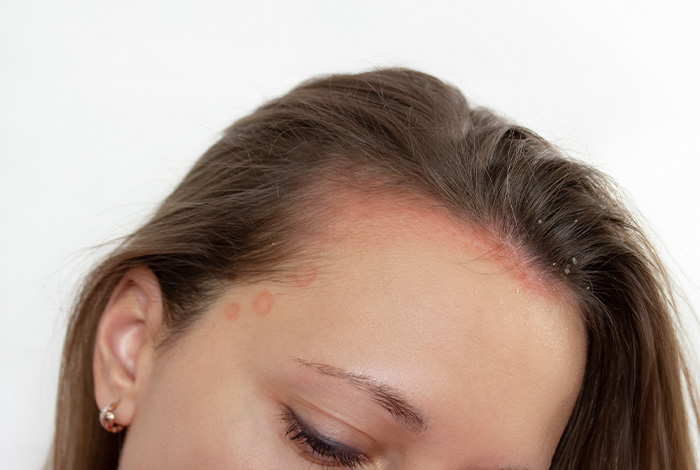
Seborrheic dermatitis, commonly known as seborrhea, is a chronic inflammatory condition that primarily affects the scalp. Although common and controllable, several factors can trigger or worsen its symptoms, including itching, redness, flaking, and... excessive oiliness.
Understanding these triggers is the first step towards effective control and maintaining the healthy, shiny hair you deserve. Discover the 4 biggest culprits affecting your scalp health and how the line... Grandha It can help bring balance back.
What Makes Seborrheic Dermatitis More Acute?
For those suffering from the condition, preventing it from worsening is very important. As specialists, we have identified the main factors that negatively influence the condition.
- Temperature and Environment
Hot water excessively removes the scalp's natural lipid barrier, triggering an overproduction of sebum to "compensate." Furthermore, the heat stimulates inflammation and irritation.
Although oiliness worsens in the heat, cold, dry weather can dry out the skin and scalp, worsening dermatitis and seborrhea, causing increased flaking (dandruff), itching, and irritation.
2. Inadequate Hygiene Habits and Products
The buildup of sebum and dead cells is the ideal food source for the Malassezia fungus, one of the main culprits in dermatitis. Washing your hair with the right product and at the right frequency is vital.
Common conditioners, masks, and finishing products are designed for exclusive use on hair and should not have prolonged contact with the scalp; leaving residue from these products on the scalp can worsen dermatitis. The focus should be on products specifically designed to control oiliness and purify the scalp. An excellent suggestion is cosmeceutical products from [Brand Name]. Grandha.
Excessive use of leave-in conditioners, gels, or sprays without proper cleansing can create a layer of residue that disrupts and compromises scalp health, potentially worsening conditions such as flaking.
3. Internal Factors: Stress and Immunity
Stress is one of the biggest enemies of hair health. Periods of high tension release hormones (such as cortisol) that can disrupt sebum production and, more importantly, decrease the scalp's immune response.
A weakened immune system due to poor sleep quality or general fatigue makes the body less able to control the inflammation of seborrheic dermatitis. Poor diet can also contribute to an inflammatory state; avoid diets high in:
- sugars,
- saturated fats,
- processed foods.
4. Excessive Manipulation
Although the itching is intense, scratching or rubbing the area forcefully damages the skin barrier, increases inflammation, and can lead to secondary infections. The key is to relieve the itching with specific treatments, not with your fingernails.
Hats and caps that aren't properly cleaned, or constantly wearing hair tied up, especially when the hair is damp, create a perfect environment for fungal and bacterial growth.
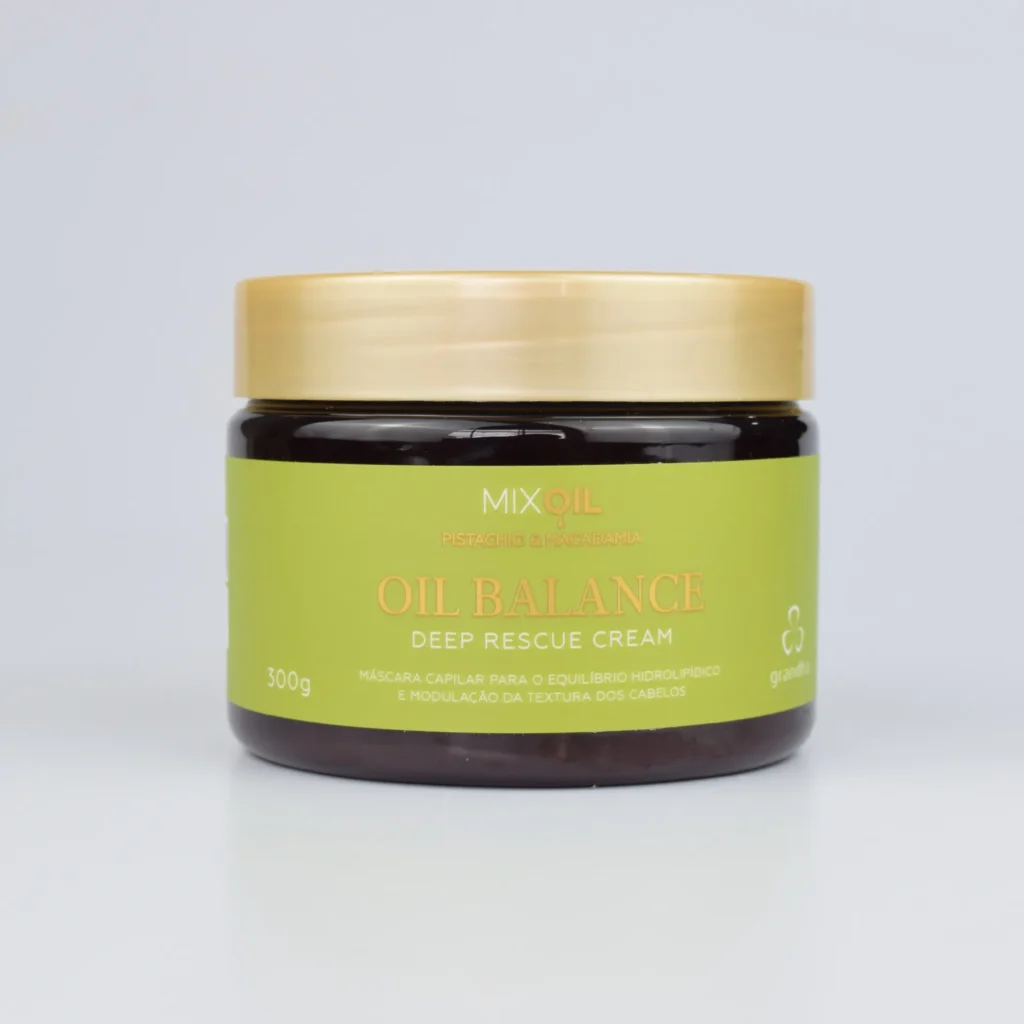
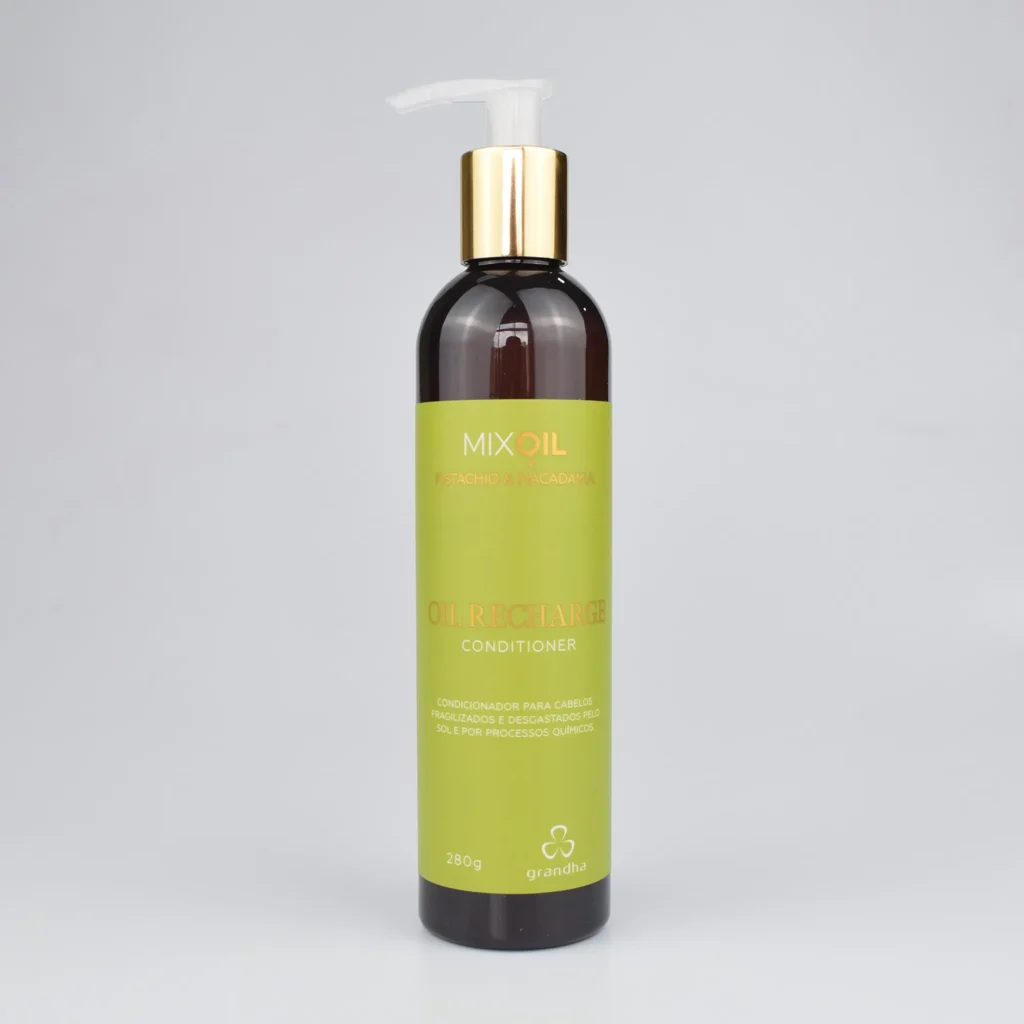
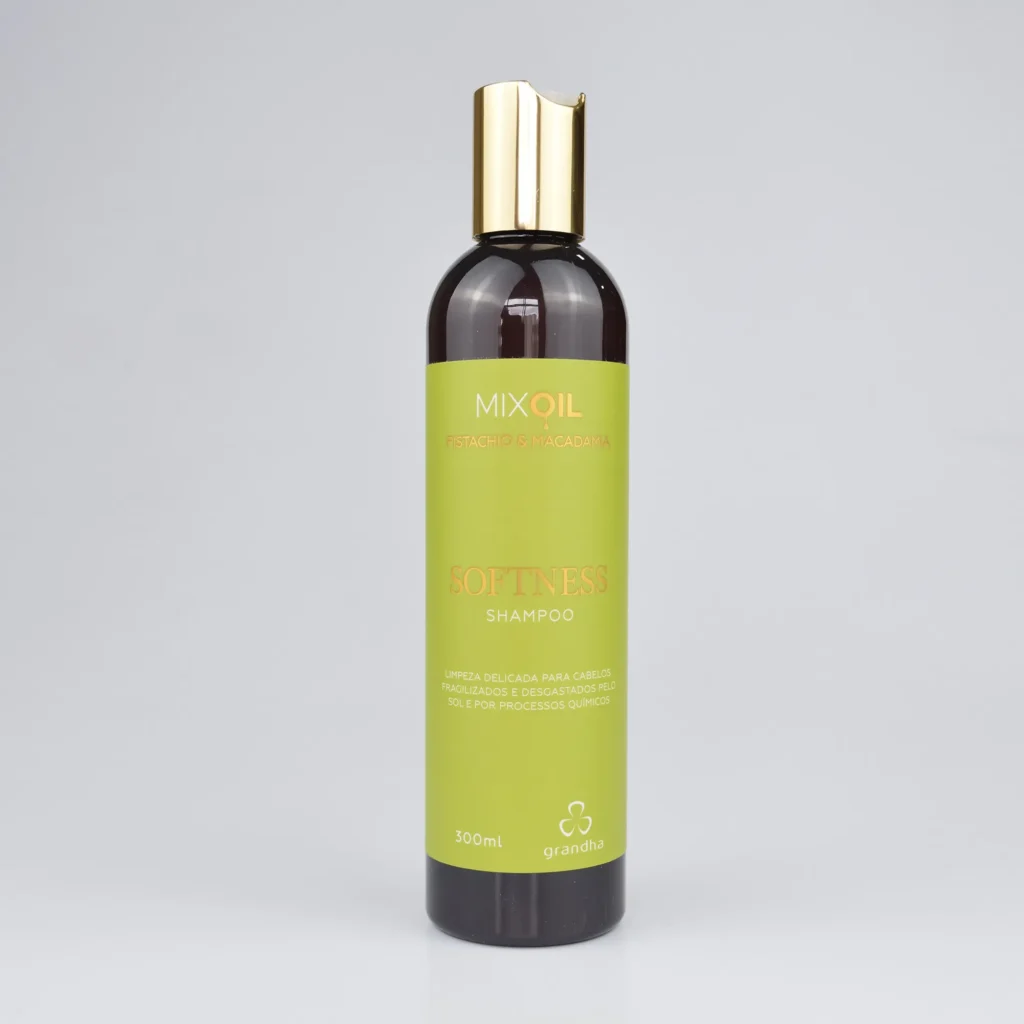
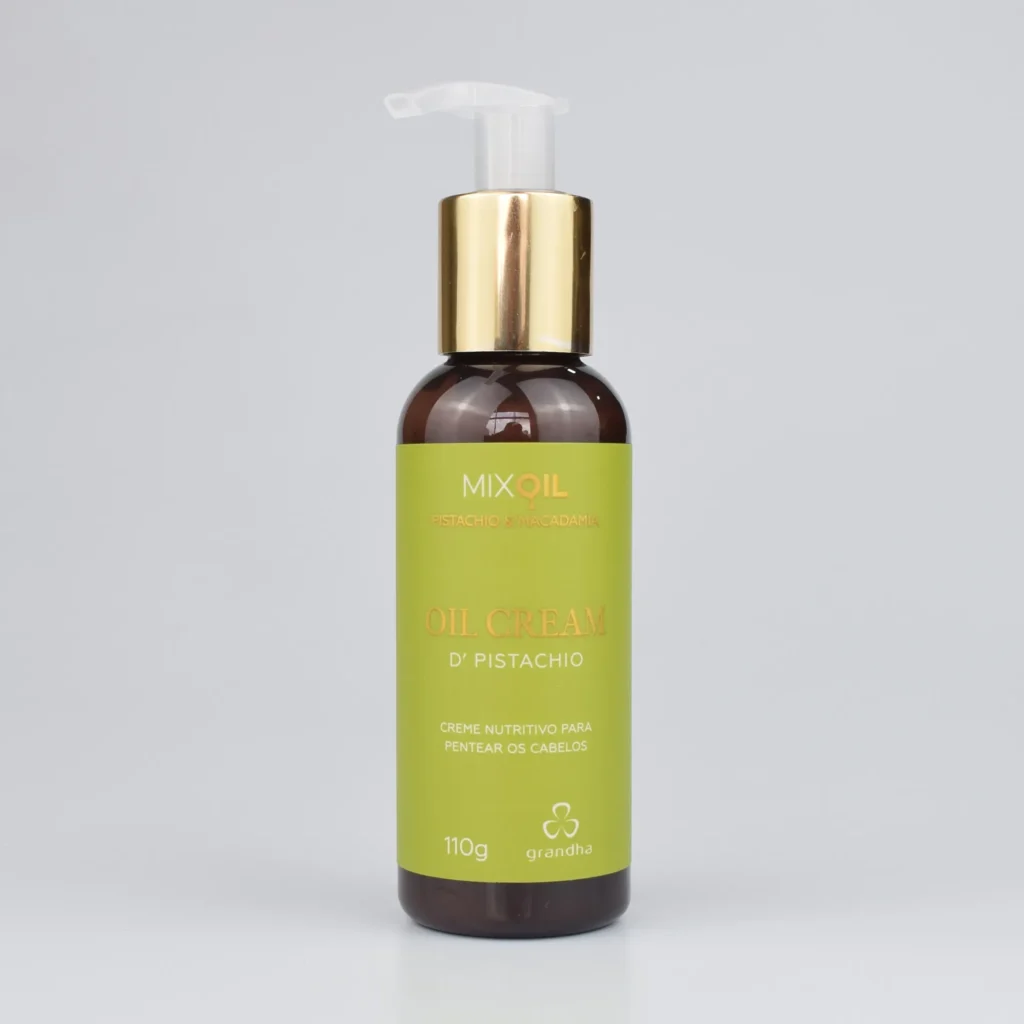
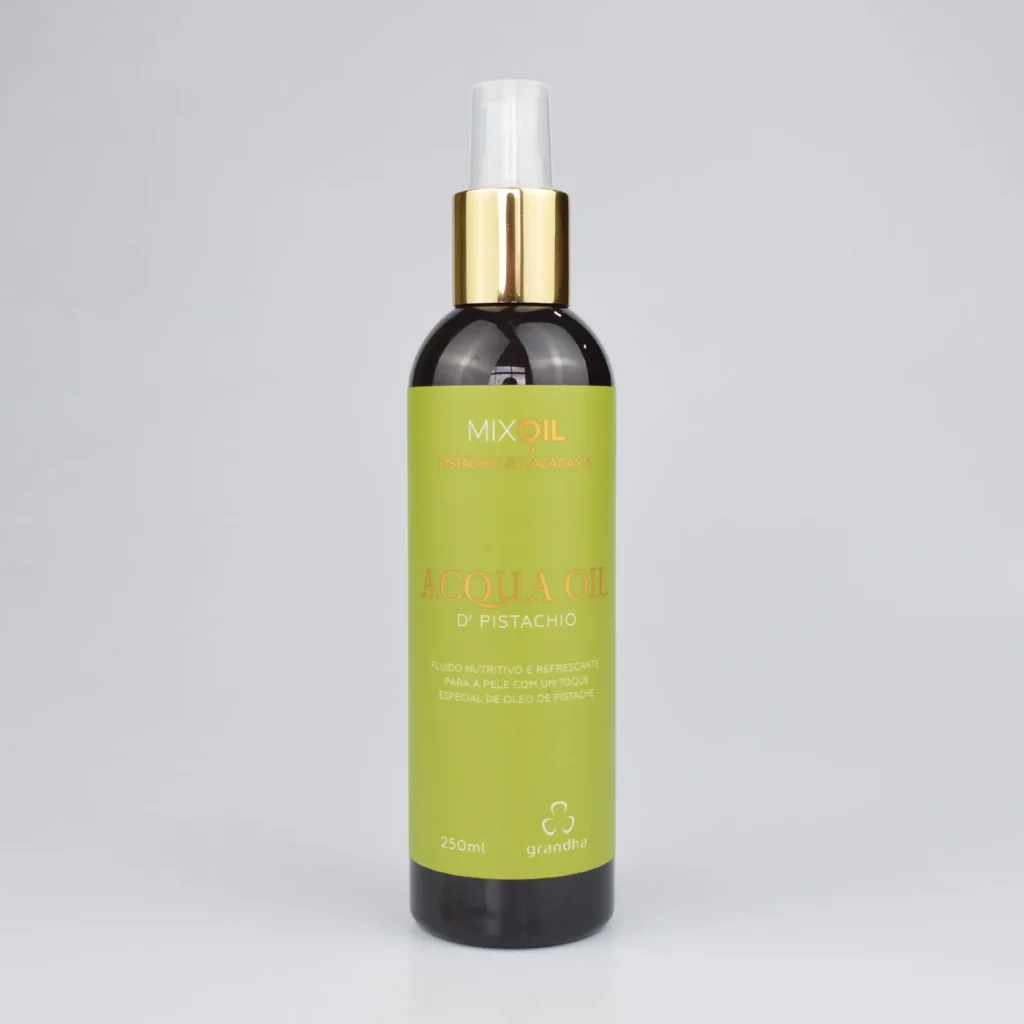
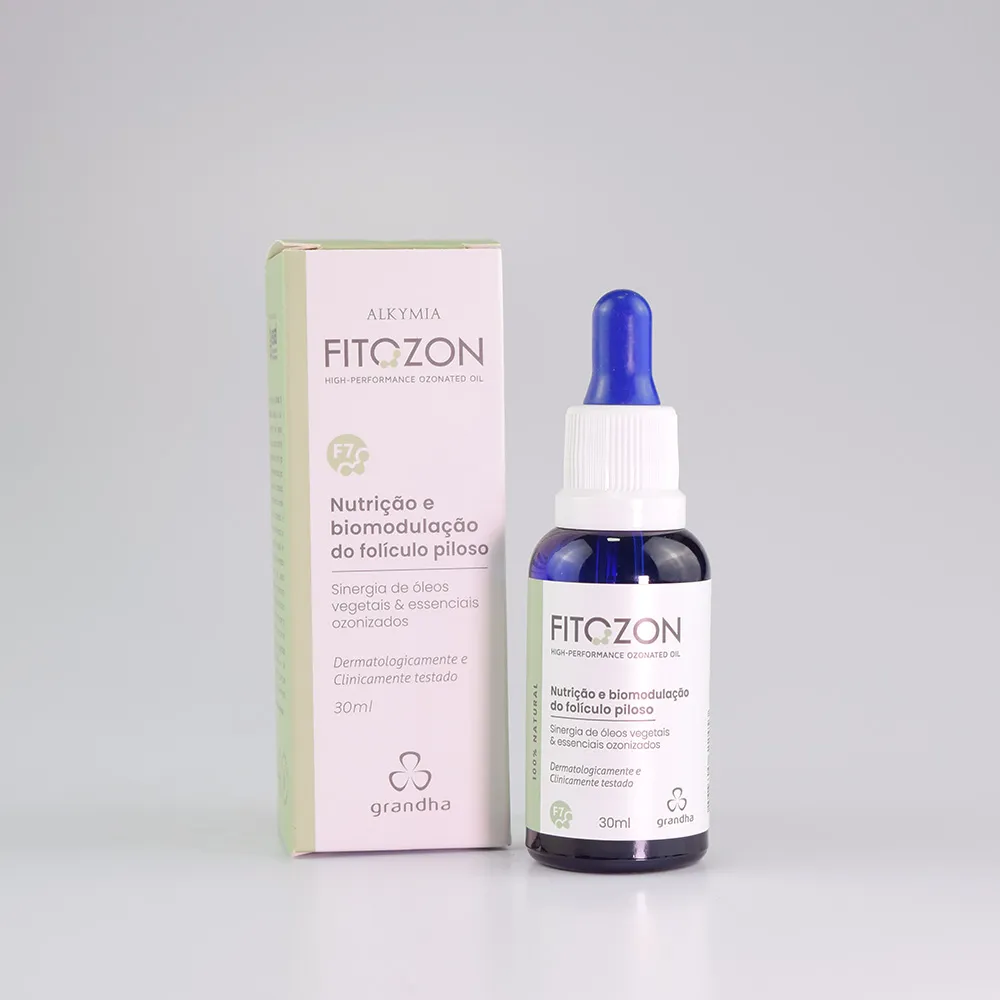
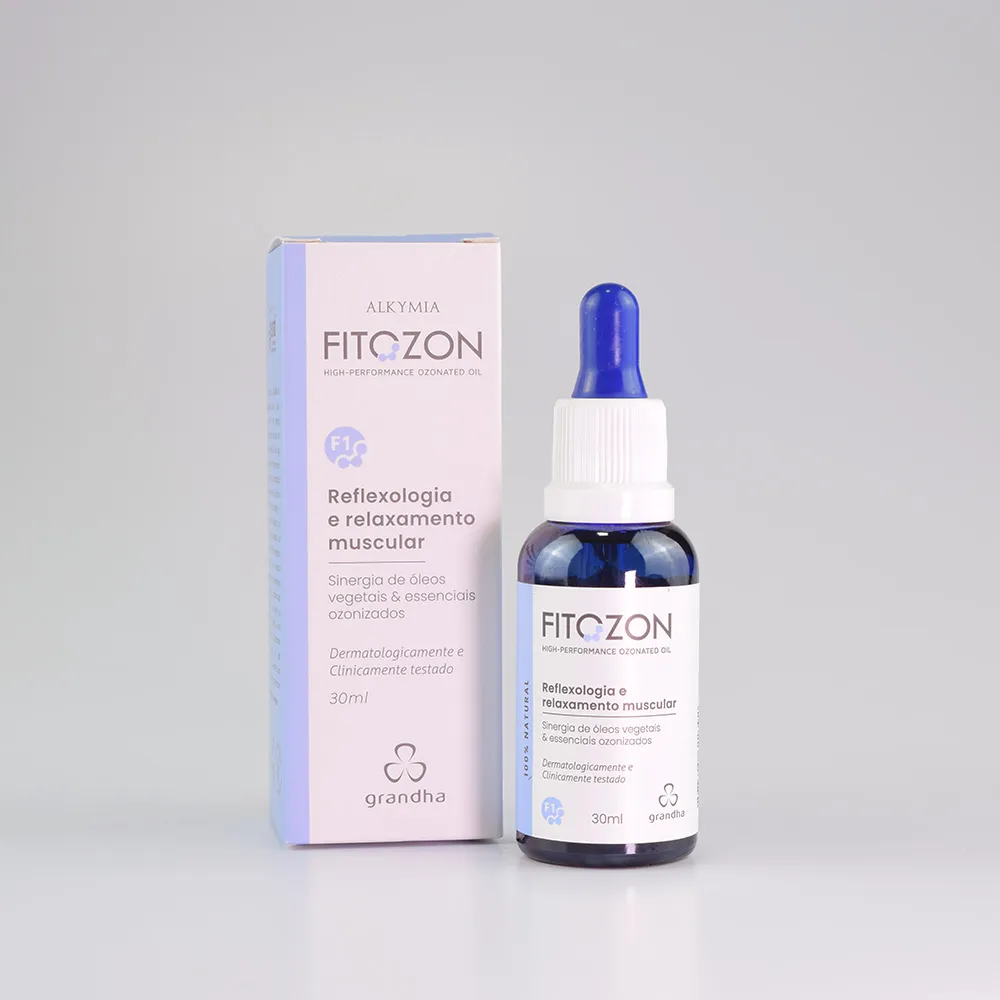
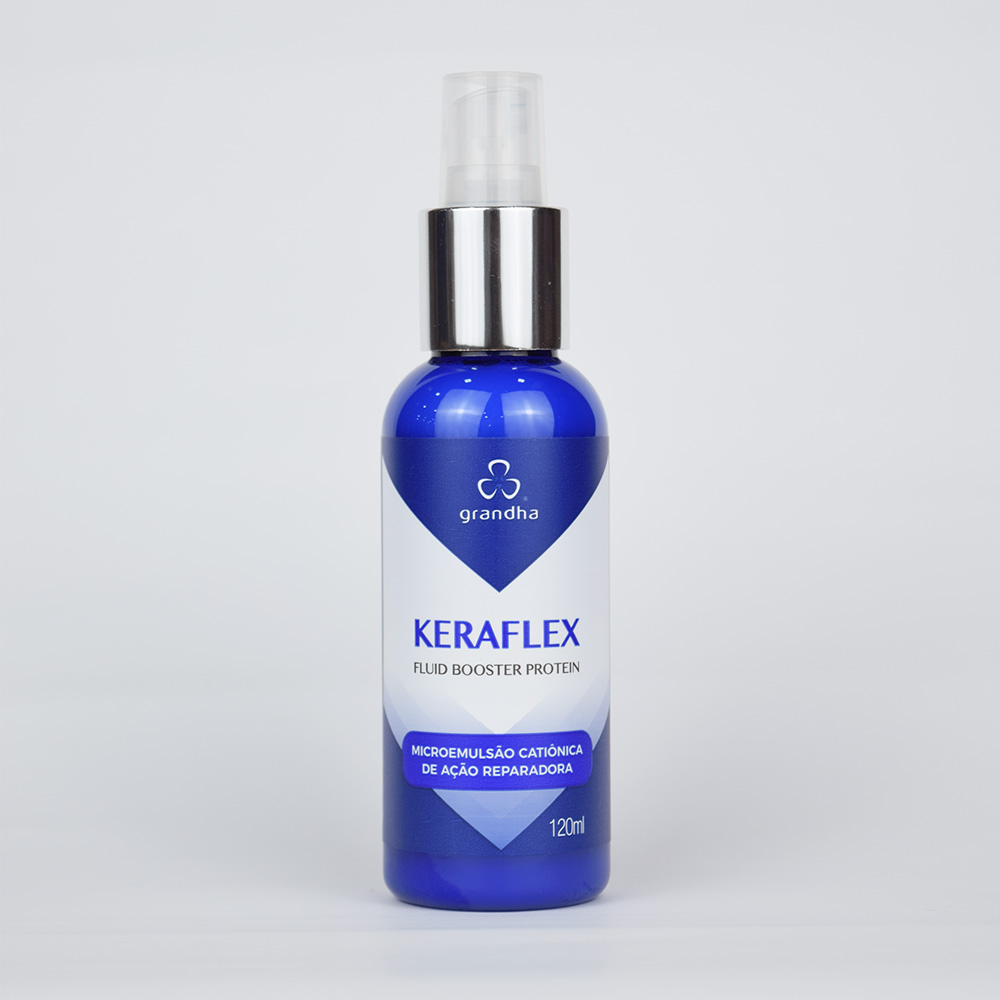
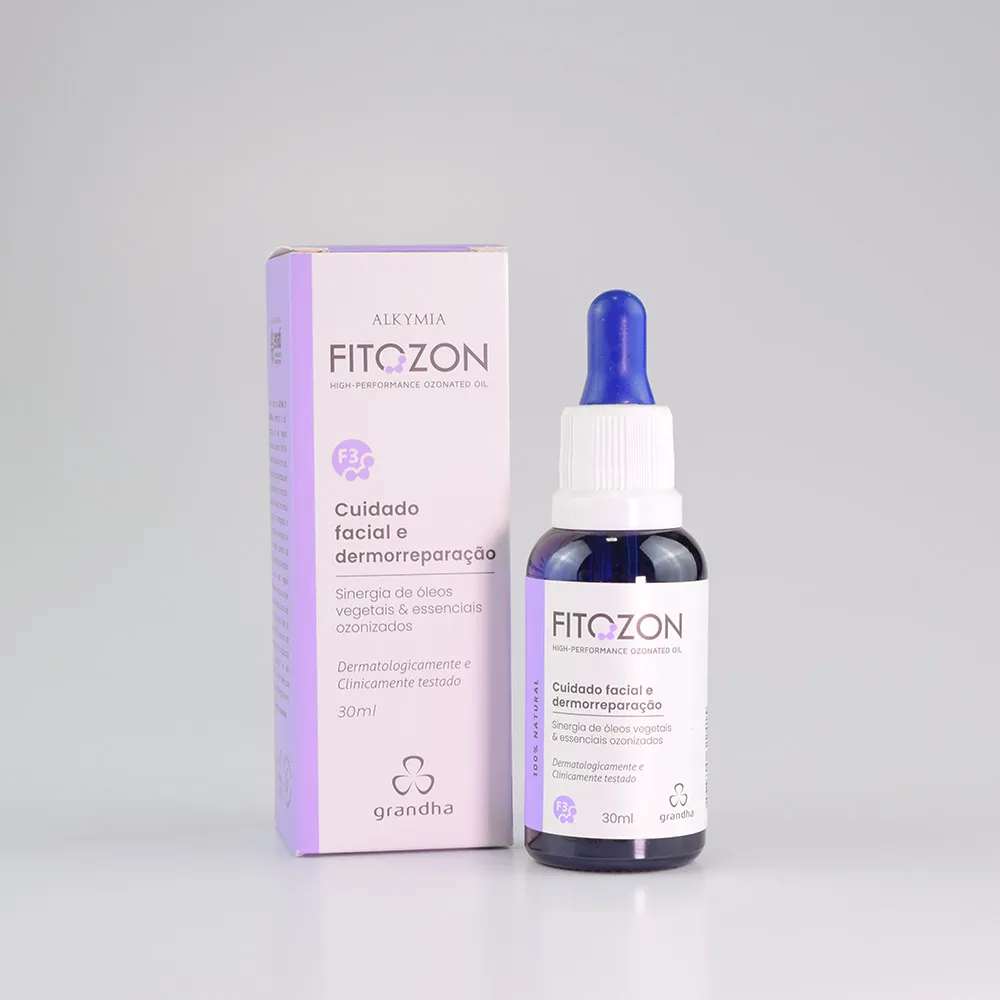
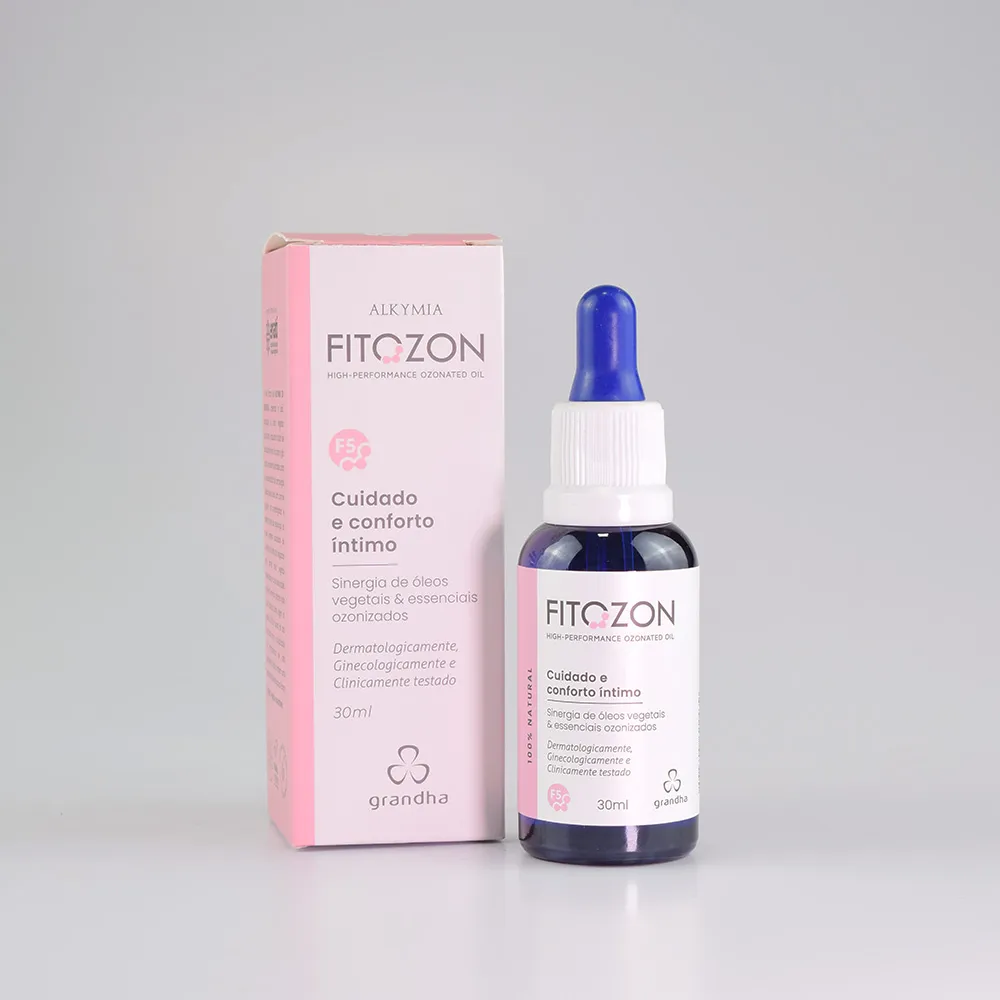
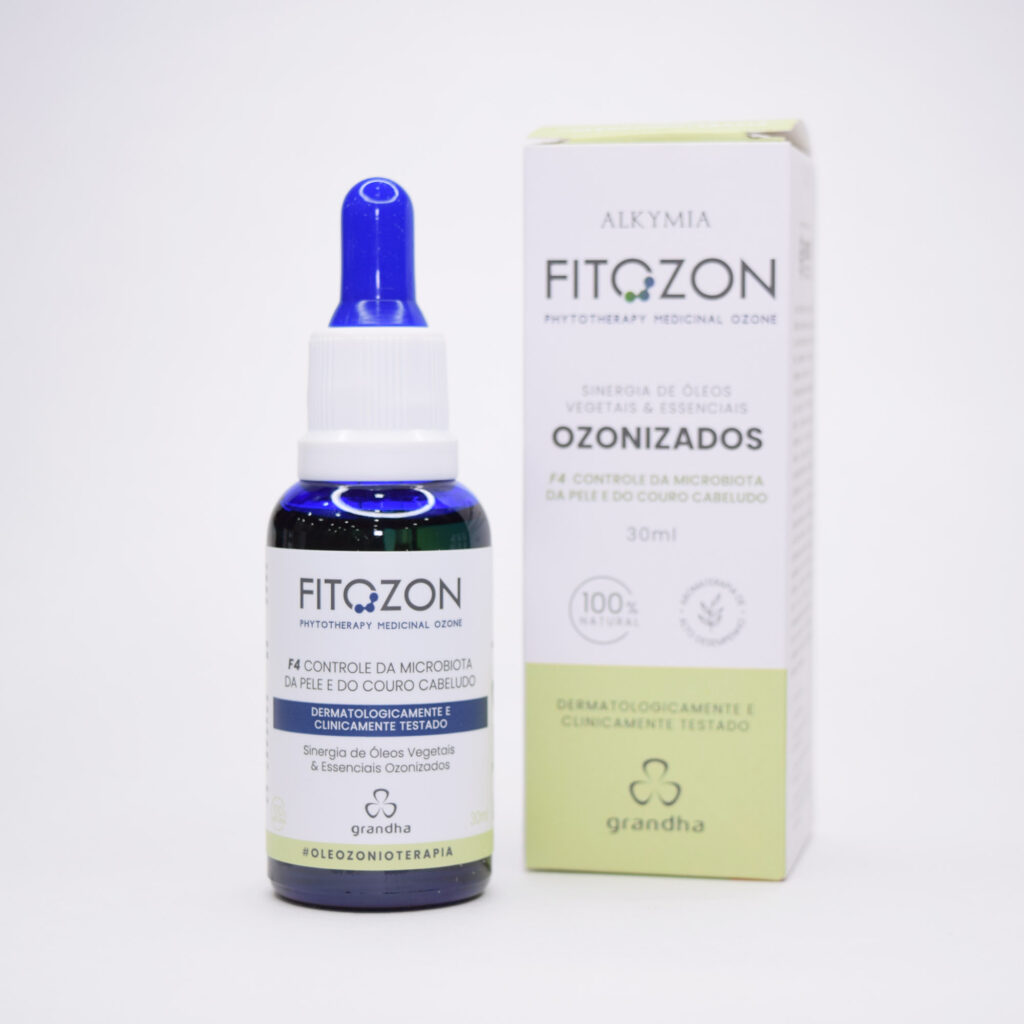
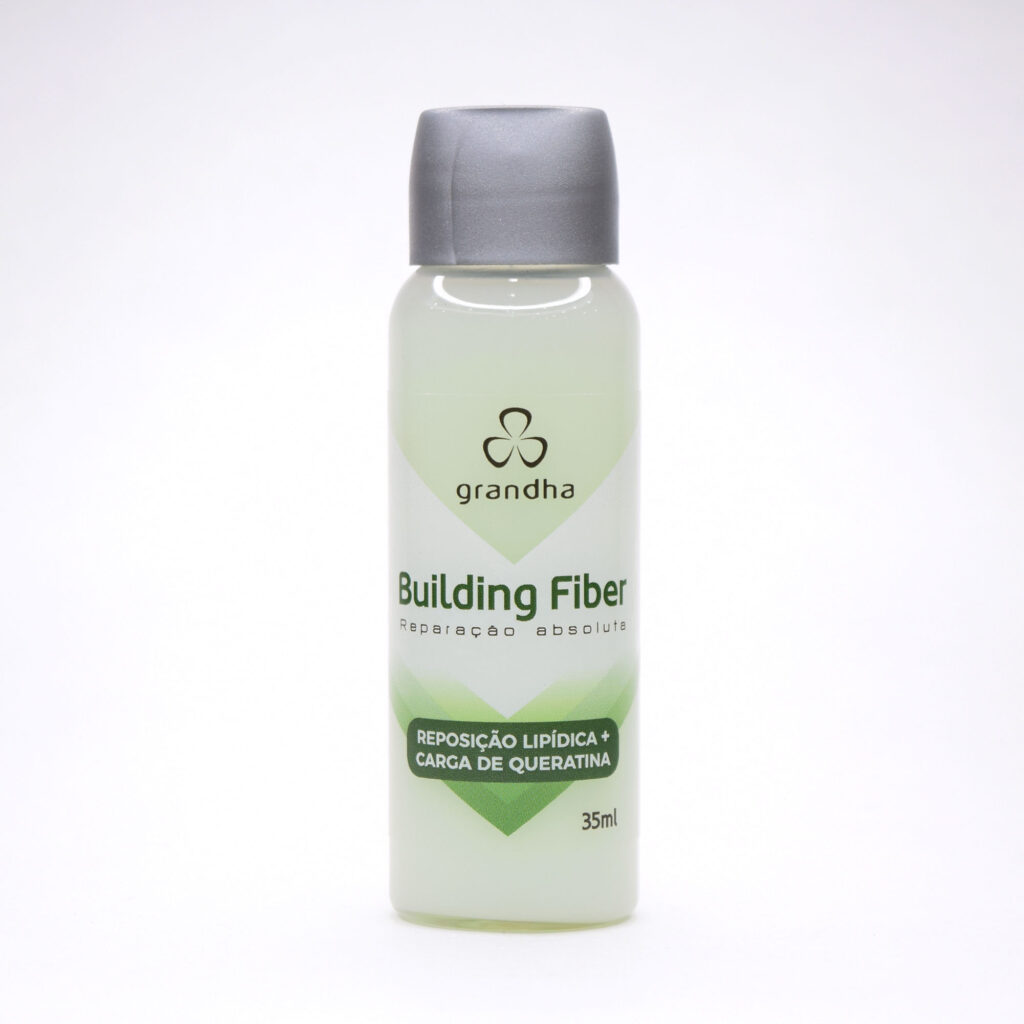
The Path to Controlling Dermatitis and Seborrhea with the Grandha
A Grandha It is understood that controlling seborrheic dermatitis depends on a balance-focused approach with specific and consistent maintenance.
- Prioritize Gentle and Specific Cleaning: Use shampoos with properties such as: an appropriate cleansing system for proper removal (balanced surfactant system), and combinations, for example, salicylic acid and other active ingredients with a keratolytic effect. To control the growth of the fungal population and to control oiliness, it is also important that the composition includes active ingredients such as: tea tree essential oil to regulate sebum production and control the scalp microbiota.
- Condition Only the Length: Avoid applying conditioners or masks directly to the scalp, focusing instead on the ends to prevent buildup on the scalp. Prioritize the use of conditioners and leave-in products with formulations specifically designed to help with this hair disorder.
- Manage Stress: Incorporate relaxation practices into your routine, as mental health is directly linked to the health of your scalp.
By identifying and modifying these habits that worsen By treating seborrheic dermatitis, you'll ensure a healthier, less irritated scalp and, consequently, more beautiful and vibrant hair. Take care of yourself, from the inside out!
Common questions:
What is seborrheic dermatitis?
It is a chronic inflammatory skin condition that primarily affects the scalp, causing redness, flaking (dandruff), and oiliness.
Is seborrheic dermatitis curable?
No, seborrheic dermatitis has no cure, but it can be controlled with ongoing treatment and proper care.
What are the causes of seborrhea?
It is related to genetic predisposition, excessive sebum production, and the proliferation of the Malassezia fungus on the scalp, aggravated by stress and inadequate habits.
How to treat seborrheic dermatitis?
Treatment involves the use of cosmeceutical shampoos, medicated formulations prescribed by a medical professional with antifungal and anti-inflammatory active ingredients (such as melaleuca essential oil, rosebay extract, and salicylic acid), and control of aggravating factors.
Can stress cause seborrhea?
Stress is not the direct cause, but it is a very powerful trigger and aggravating factor, as it affects the immune system and can deregulate sebum production.