When hair loss is excessive or persistent, it indicates internal changes or dysfunctions in the scalp. Discover the main factors that cause hair to fall out from the root, learn how to assess the problem, and see how hair therapy strengthens the hair's "anchoring."
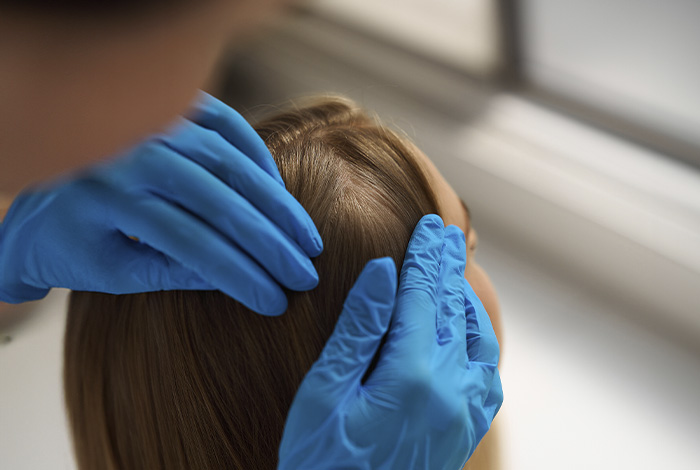
Discovering clumps of hair in the shower drain or seeing your brush full of strands after combing usually triggers an immediate warning sign. When hair loss occurs very intensely and for a long period—this may represent an excessive increase in the shedding phase (telogen phase), and may be associated with telogen effluvium.
Unlike breakage, which occurs along the length of the hair, hair loss originates at the root and reveals an imbalance in the physiology of the scalp or in the overall health of the body. Identifying the exact cause is the only way to control the process and stimulate the growth of new, strong, and dense hair.
The Main Triggers of Hair Loss
The hair life cycle is divided into growth, resting, and shedding phases. Under normal conditions, we lose between 50 and 100 strands per day. However, when this count skyrockets, one or more of the following factors are usually involved:
- Telogen Effluvium (Systemic Stress and Shock): Events of high physical or emotional stress, infections, surgeries, or restrictive diets can cause a large number of hairs to prematurely enter the shedding phase. This type of hair loss usually occurs about 2 to 3 months after the triggering event.
- Hormonal and Nutritional Changes: Deficiencies in iron, vitamin D, zinc, and protein, coupled with hormonal fluctuations (such as postpartum, thyroid disorders, or menopause), reduce the supply of nutrients delivered to the bulb.
- Scalp Disorders: Excess oiliness, seborrheic dermatitis, and the accumulation of cosmetic residue create an environment conducive to inflammation of the scalp. This condition contributes to alterations in the natural hair growth cycle.
- Genetic Predisposition (Androgenetic Alopecia): Triggered by the sensitivity of follicles (in a specific region) to androgen hormones, it causes the progressive miniaturization of the hair strands, making them thinner and thinner until the root (follicle) stops producing (terminal strands), that is, new hairs.
How to Understand the Origin of the Problem
To accurately determine the cause of the hair loss, observation of daily habits should be combined with professional investigation.
- Analyze the Timeline: Think back to events that have occurred in the last three months. Did you have a high fever, change your diet, experience anxiety spikes, or change your medication?
- Examine the Scalp: Check for redness, flaking, sensitivity to touch, or excessive oiliness at the roots (scalp).
- Assess the Thickness of the Hair: If you are experiencing significant hair loss but maintaining the same thickness, it may be a temporary situation. However, if you notice areas with fewer, thinner hairs, this process may be progressive.
- Consult a Professional: An evaluation by a hair therapist, trichologist, or dermatologist, along with medical blood tests and trichoscopy, is essential to aid in a more accurate diagnosis.
Phytotherapeutic and Detoxifying Action: The Approach Grandha
Stopping hair loss and restoring the growth cycle requires caring for the scalp as a living ecosystem. It is under this concept that... Grandha Professional Hair Care develops high-performance solutions for hair root health.
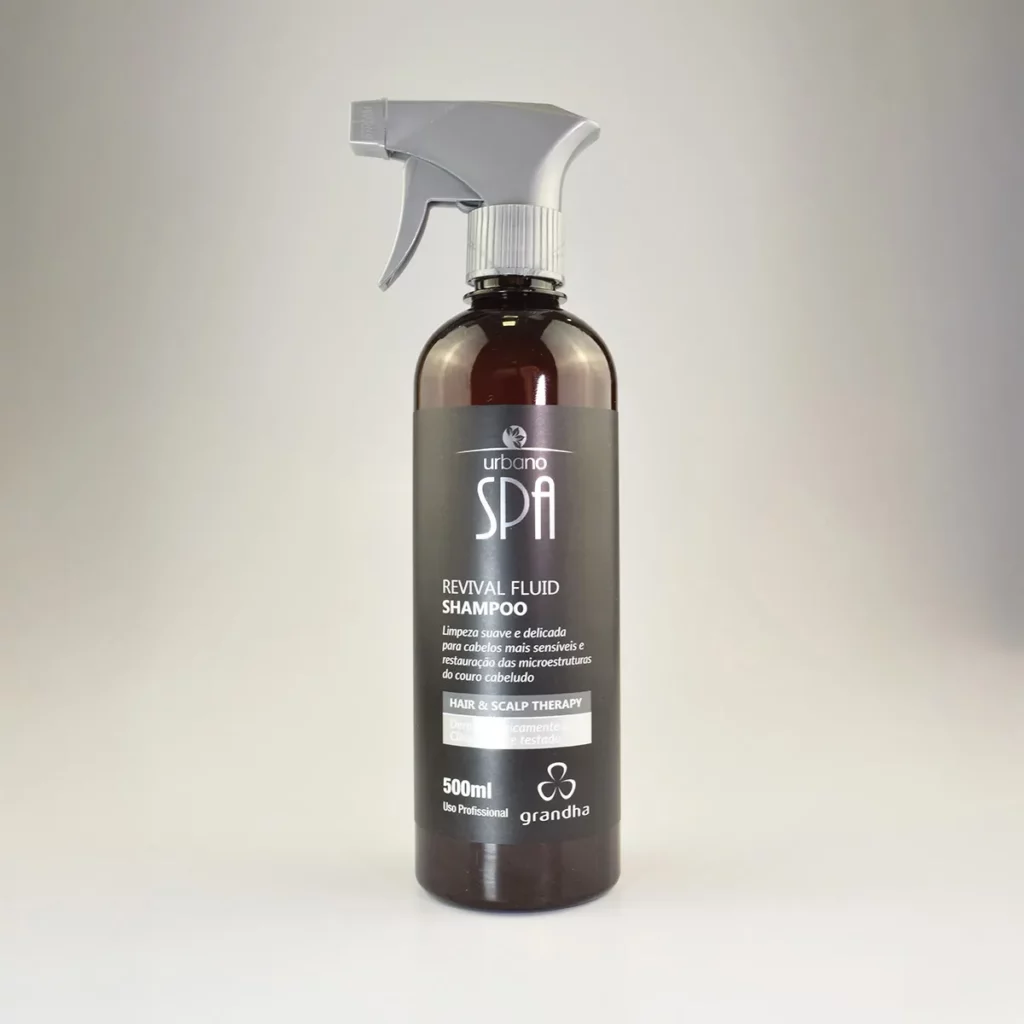
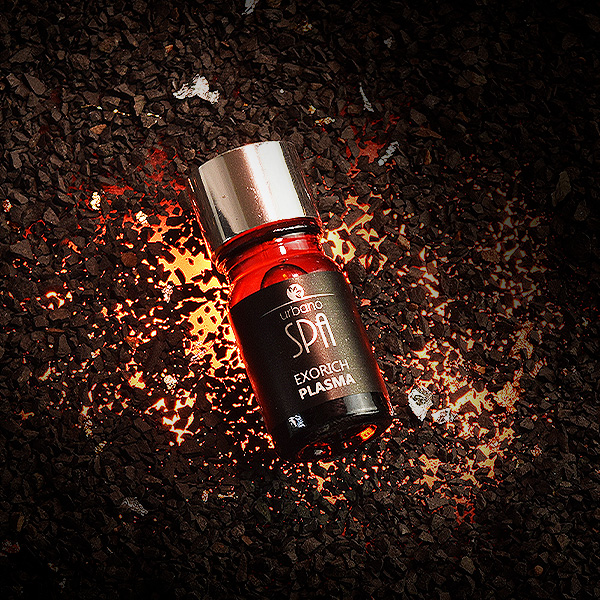
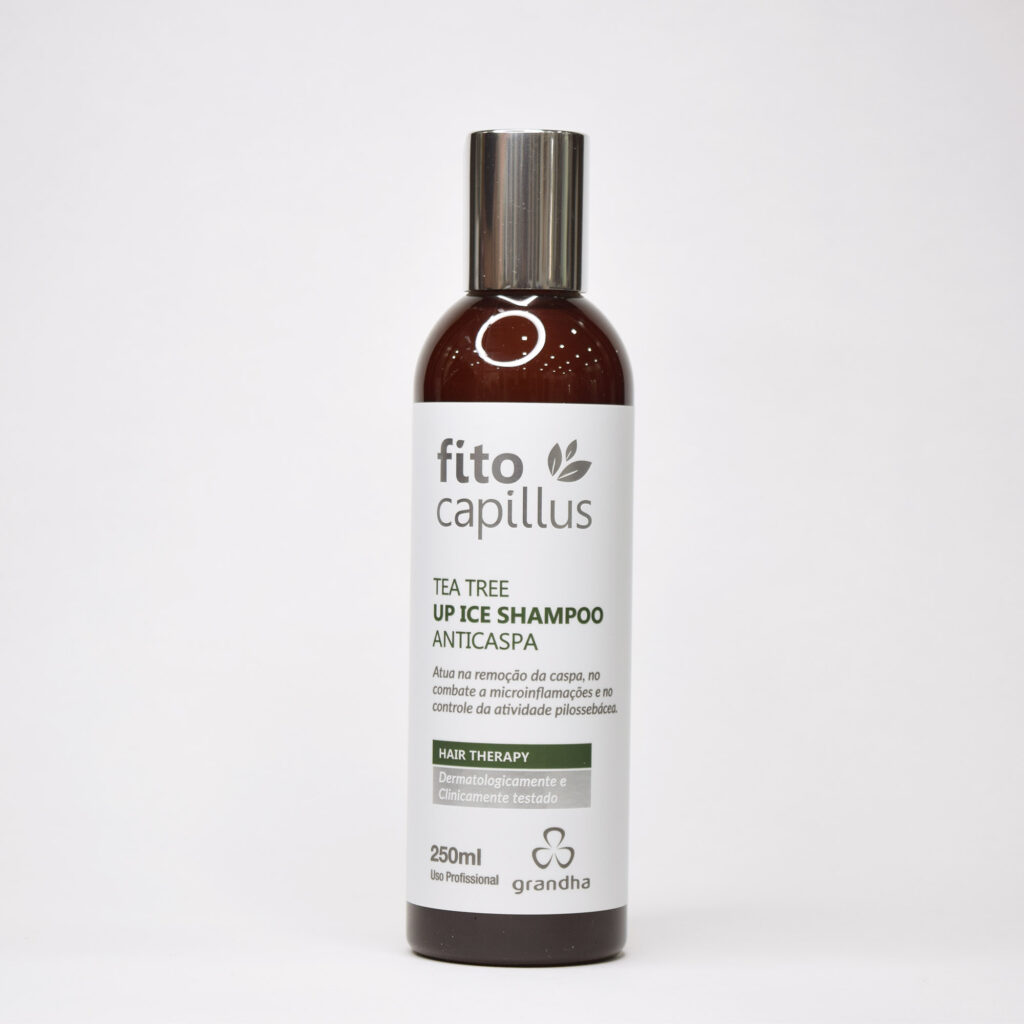
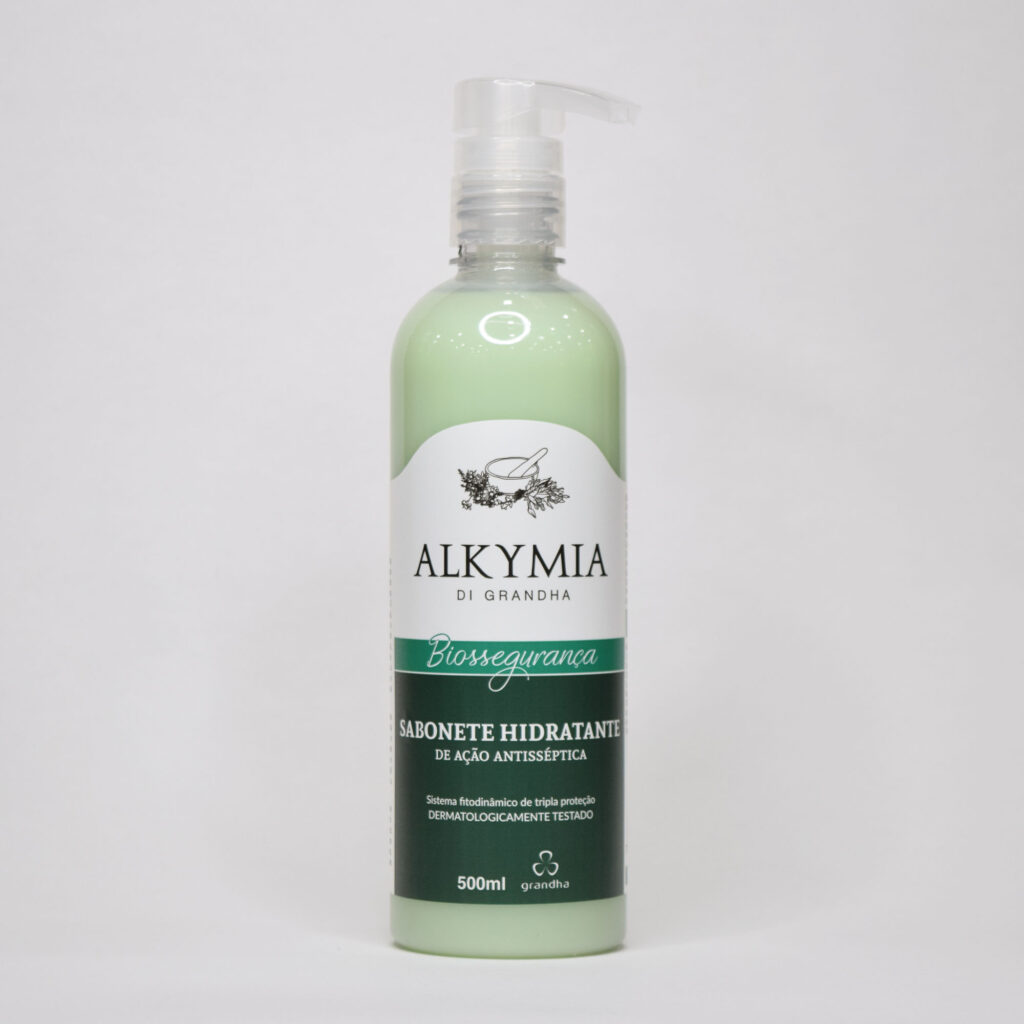
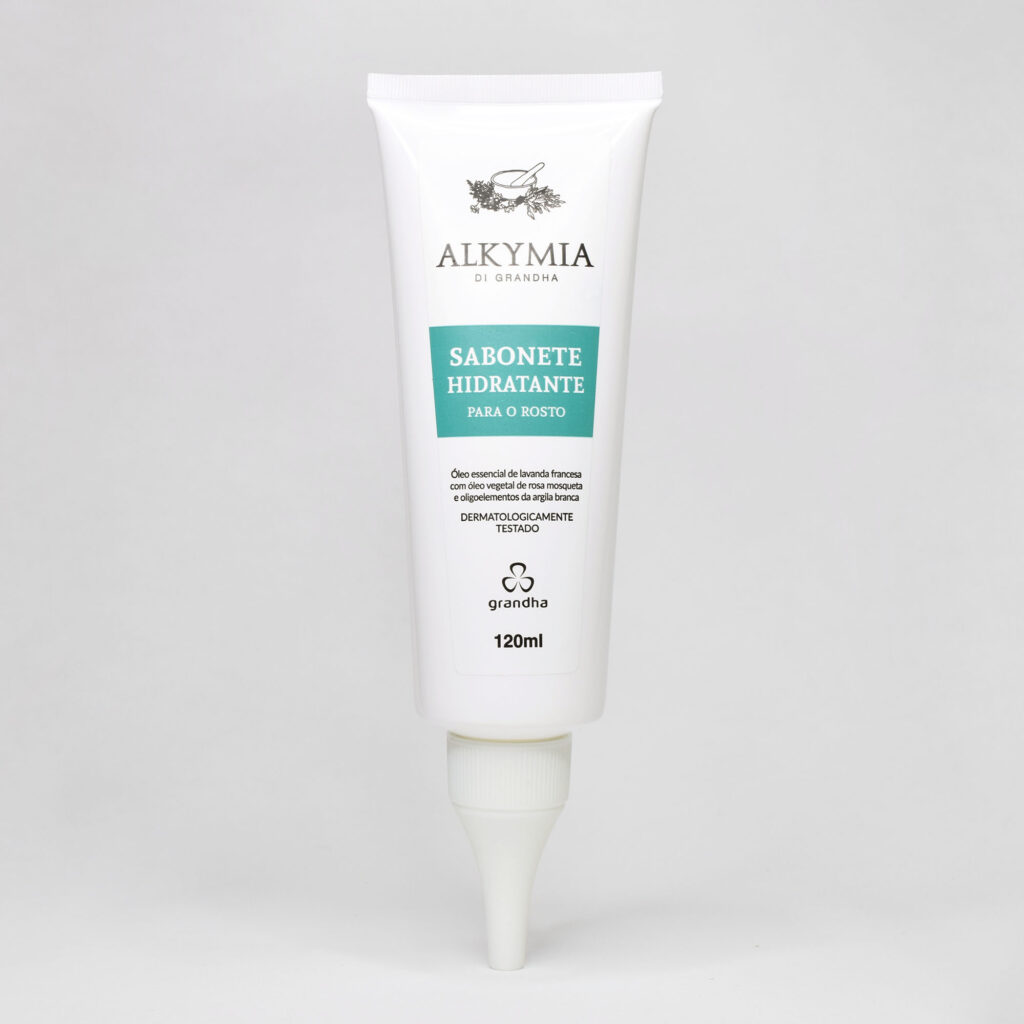
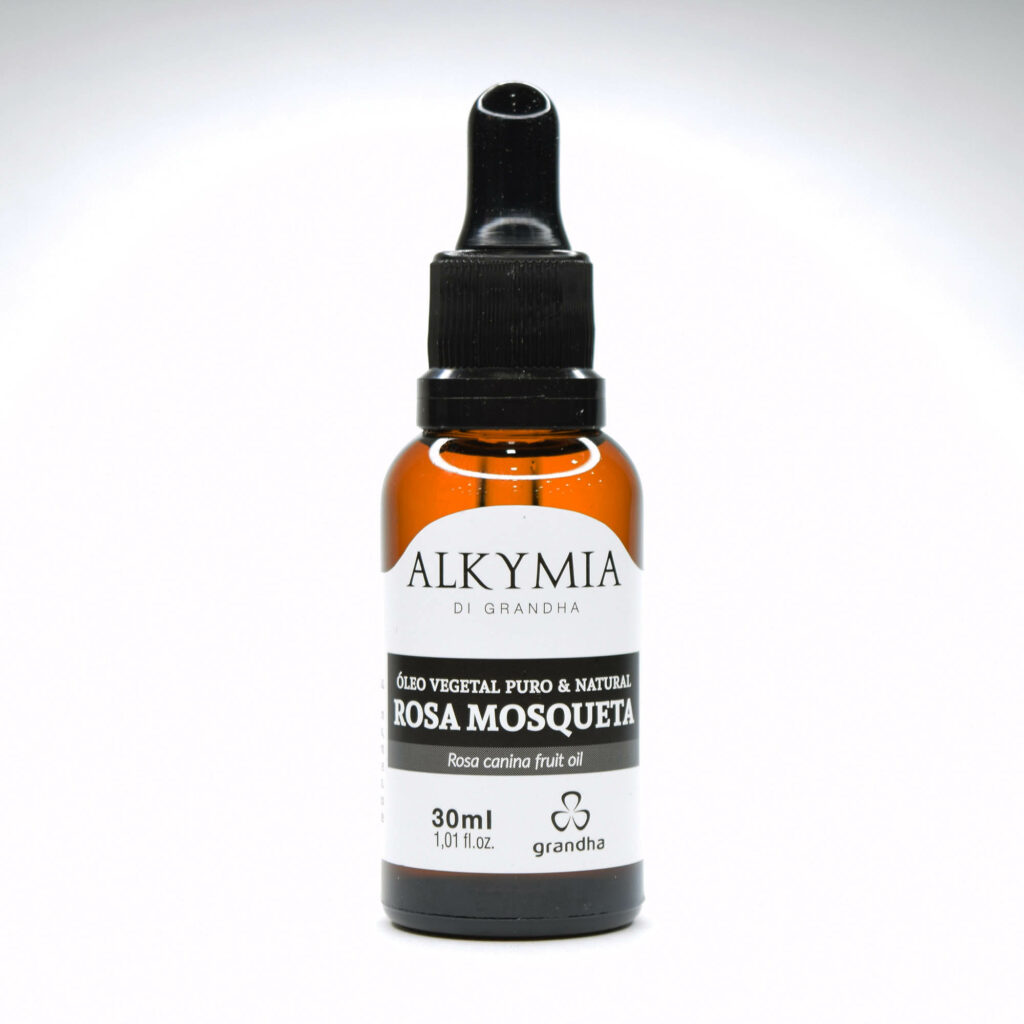
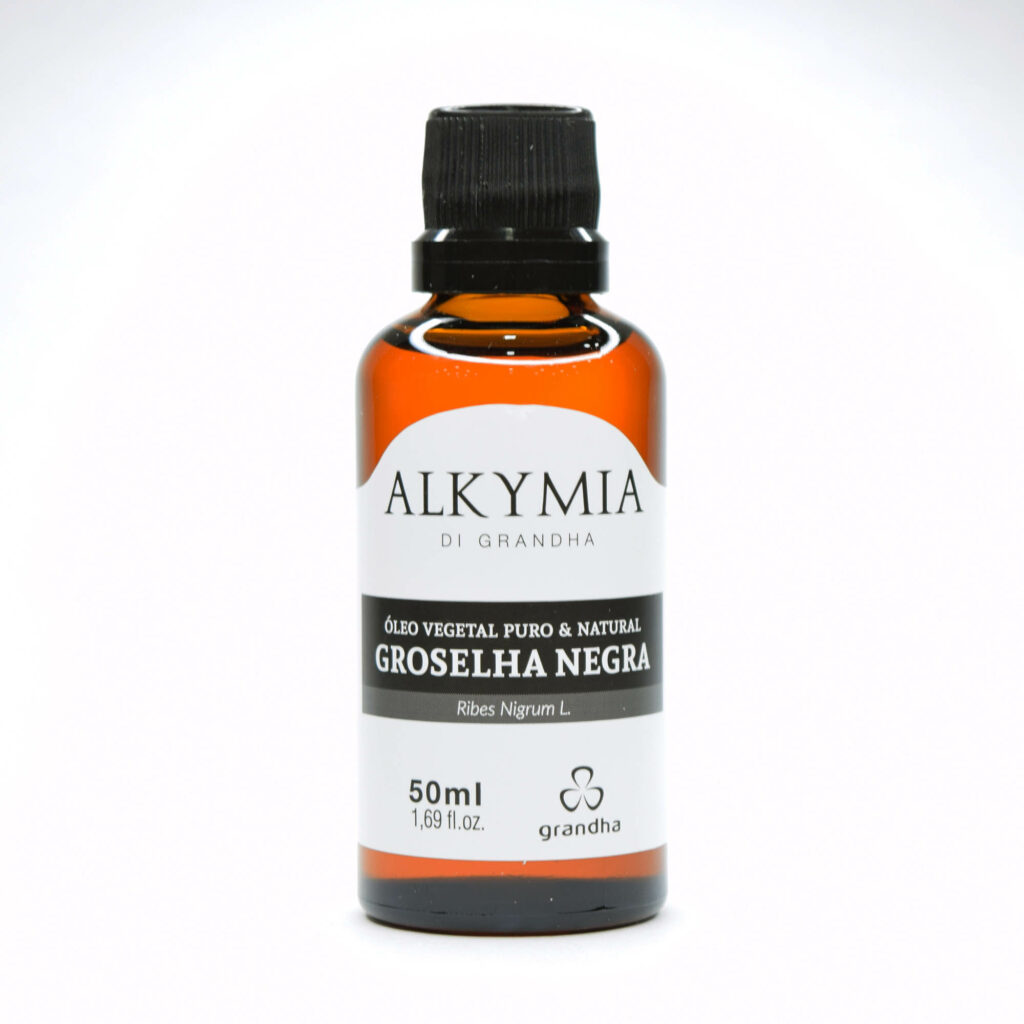
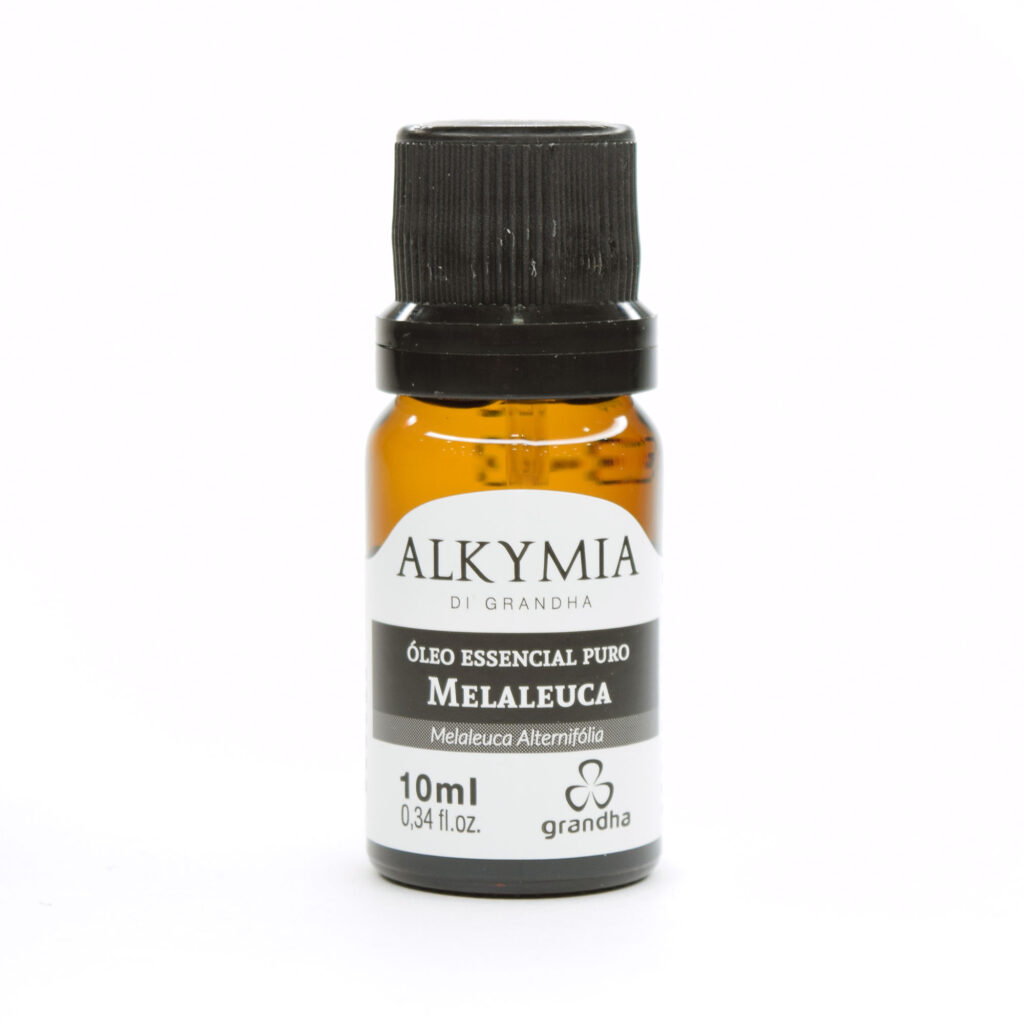
To combat hair loss resulting from skin dysfunction, skin stress, and oil buildup, the line Alkymia It stands out as an indispensable ally in hair therapy.
Synergy of Essential and Vegetable Oils
The line Alkymia It explores the ancestral and scientific power of the "alchemy" of pure essential and vegetable oils. It acts directly on balancing the scalp, unclogging follicles and reducing inflammatory processes that lead to hair loss.
Balance and Regeneration of Follicles
Through its antiseptic, antioxidant, and stimulating properties, the line Alkymia di Grandha It balances the microbiota and tones the capillary system. The ritual activates local microcirculation, ensuring that the bulb receives oxygenation and nutrients to fix and support the root at maximum potential.










Restoring Strength from Root to Tip
Hair loss should not be ignored, as the health of the hair strand is a direct extension of the health of your scalp. Carefully investigating the causes and abandoning the use of unsuitable products are the first steps to turning the tide.
By combining professional research with the use of cutting-edge phytotherapeutic technologies, such as those present in the hair therapy solutions of [Company Name]. GrandhaBy doing this, you provide your scalp with the perfect environment to control hair loss and promote the growth of stronger, thicker, and more vibrant hair.
Meta description
Discover why hair falls out from the root, learn to identify the causes of hair loss, and see how the power of the natural active ingredients in the product line can help. Alkymia di Grandha They will be able to help you.
Frequently Asked Questions (FAQ)
How can you tell if your hair is falling out from the root and not breaking along its length?
In hair loss, the hair strand detaches from the scalp, while breakage occurs along the hair shaft. Intense and persistent hair loss may indicate changes in the hair cycle or scalp health.
What are the most common causes of hair loss from the root?
The main contributing factors include telogen effluvium, hormonal and nutritional changes, scalp disorders, and genetic predisposition.
Can stress cause hair loss months later?
Yes. In cases of telogen effluvium, events of physical or emotional stress can cause many hairs to enter the shedding phase, usually about two to three months after the triggering factor.
What signs on the scalp can help identify the cause of hair loss?
Redness, peeling, sensitivity, and excessive oiliness may indicate changes that warrant attention during the investigation of hair loss.
When is it important to seek professional evaluation for hair loss?
When hair loss is intense, persistent, or accompanied by thinning hair and sparser areas, an evaluation by a specialist and additional tests can help identify the cause.