
Discover the truth about hair sealing! Understand how this procedure works on the hair fiber and, most importantly, why you need to pay attention to the type of product used to perform this procedure.
In our daily routine, hair is constantly exposed to aggression: The heat from hair dryers and straighteners, chemical treatments (coloring, bleaching), and environmental factors (pollution, sun) all contribute to hair damage. These aggressions tend to... damaging the outer layer of the wire, the cuticle, leaving it open and rough (high porosity level).
When the cuticle is open, the hair has greater capacity to absorb waterHowever, it lacks the structures to retain this water, consequently the hair becomes... parched, promoting greater opacity, greater fragility, and the dreaded frizz.That's where the effect proposed by the Sealing process comes in, which is actually a treatment to align and repair cuticlesThe external structure of the hair will help repair this problem. But what exactly is this treatment and how does it work?
What is hair sealing?
A Hair Sealing is an intensive treatment whose main objective Repairing the outer structure of the hair strand, aligning the cuticles and smoothing the surface of the fiber.
Unlike the effect claimed by the BANNED Progressive Hair Straightening treatments (formaldehyde and glyoxylic acid are banned by ANVISA), which They change the shape of the hair., the treatment with a sealing effect it concentrates on the outermost layer., acting as a “cement” or a “protective film” that contributes to retaining the treatment assets. associated with this procedure.
Hair straightening vs. progressive straightening: The big difference.
It is important to note that, in the market, the term "sealing" is often used genericallyThere is a significant difference between sealing with the application of intense thermal effect for shape change and repair treatment. ATTENTION, the chemical sealing, which contains in its composition: formaldehyde or glyoxylic acid and its derivatives, promotes a negative sealing effectwhich prevents any component from being absorbed into the hair after the procedure. This is not good for your hair.
Thermal sealing, a procedure that straightens or relaxes hair (using formaldehyde or derivatives).
They use acids or formaldehyde to modify the hair structure, resulting in a hair straightening or relaxingThis is not the focus of the true sealing treatment effect. Its use It is not beneficial to the hair.because with This chemical effect prevents the hair from absorbing or retaining the components.For example: treatments, coloring, among others. Besides making the hair intolerant to other chemicals, it can cause chemical shock. It is also not good for the scalp, the true factory of hair growth, therefore... corrosive effect of the extremely acidic pH range (pH less than or equal to 2,0), promoting disorders such as: excess oiliness, flaking, and decreased diameter of the hair loss and hair loss.
Hair sealing treatment, straightening and repairing effect (Cosmetic, without harsh chemicals that do not change the shape of the hair)
Main focus on mass replacement, proteins (such as hydrolyzed keratin) and lipidsfollowed by "closing," the alignment of the cuticles, ensuring even more greater retention and durability of the treatment.. It is a hair health treatment, not a change of form.
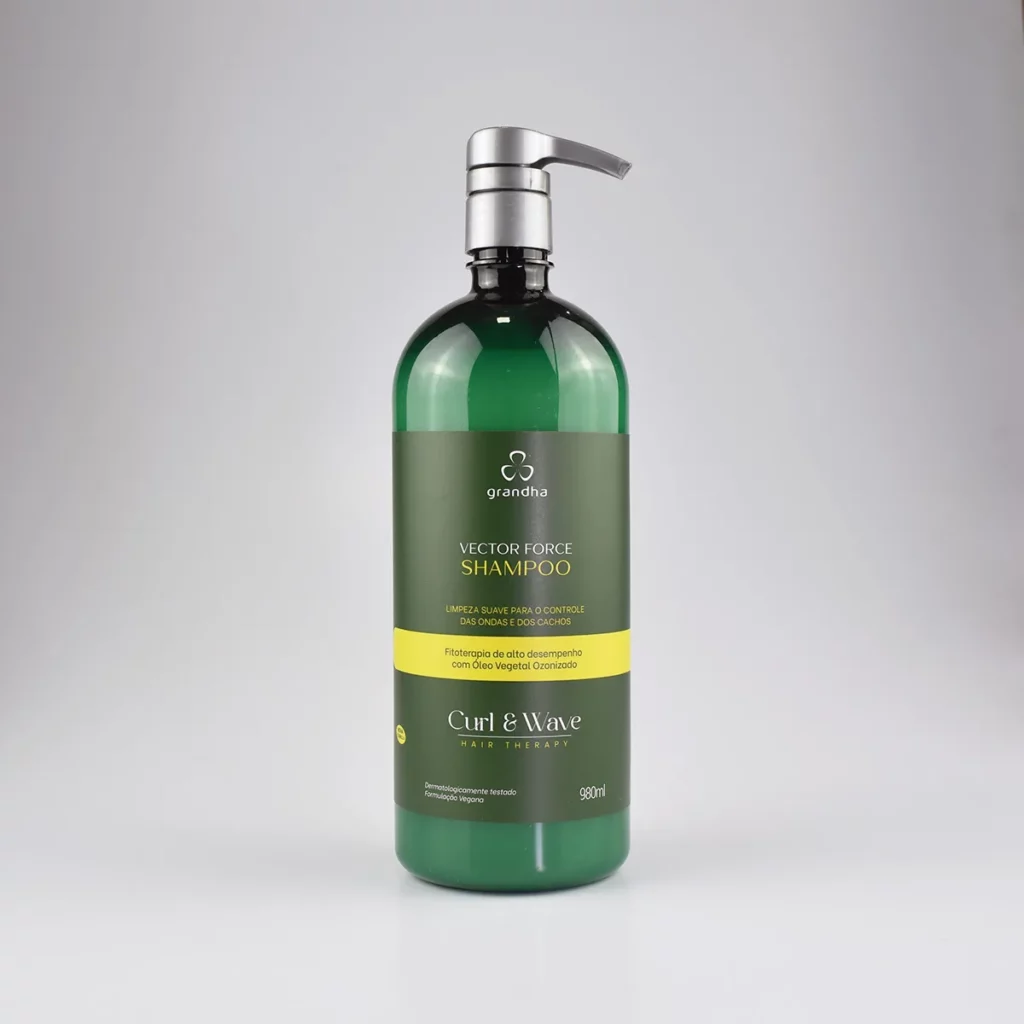
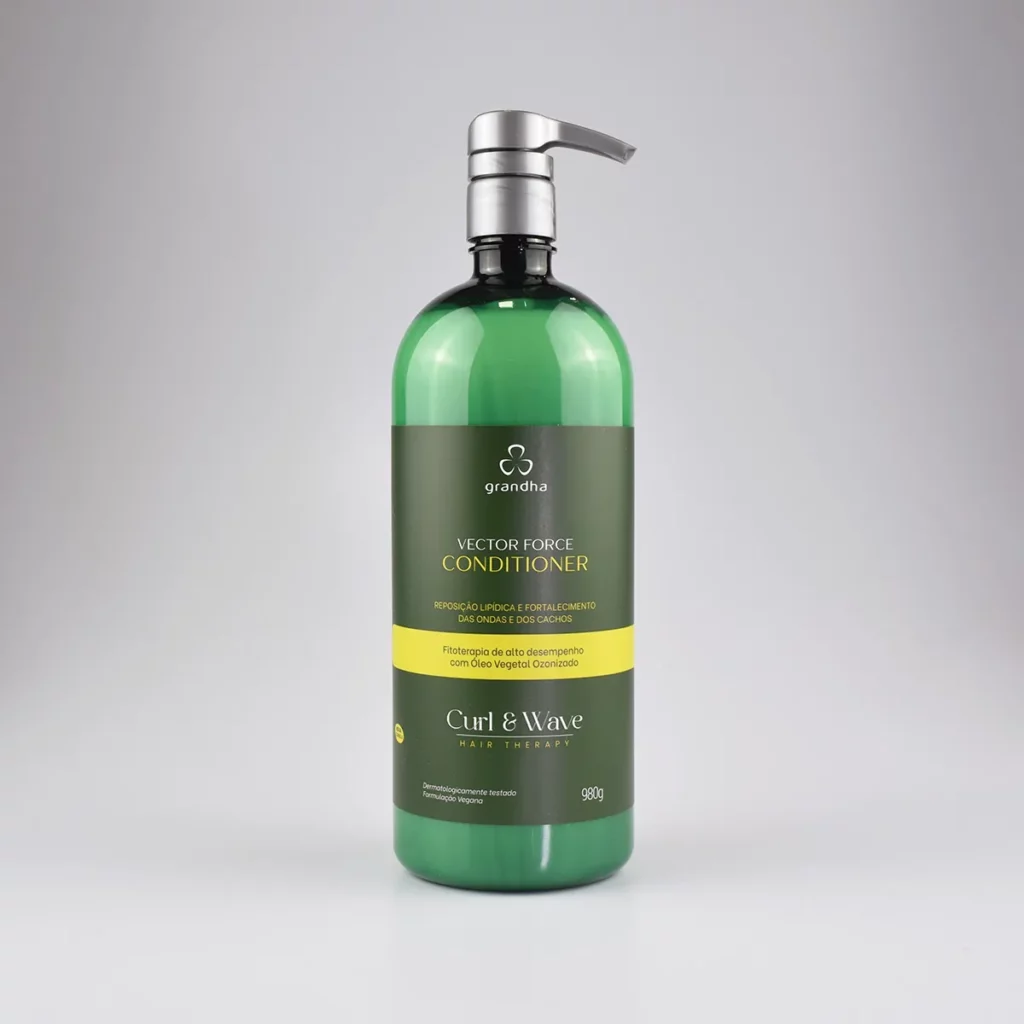
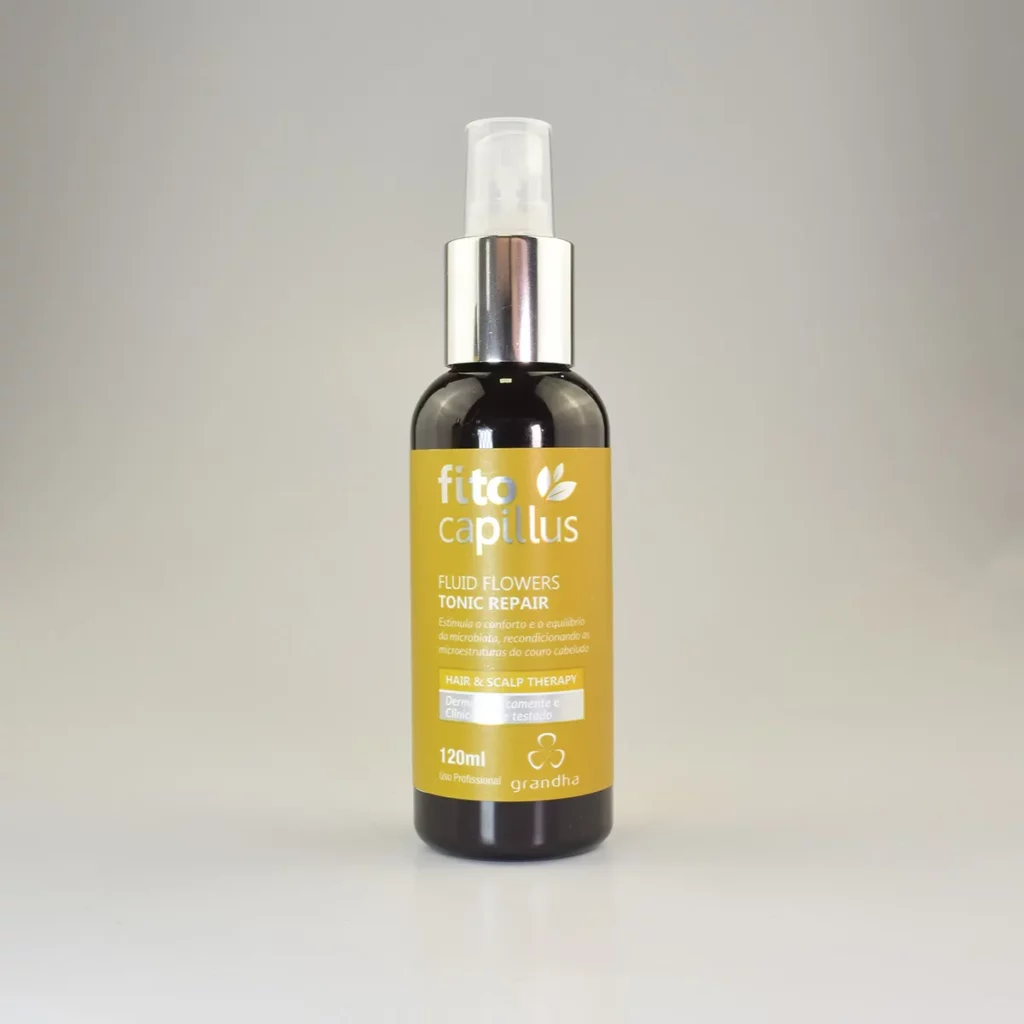
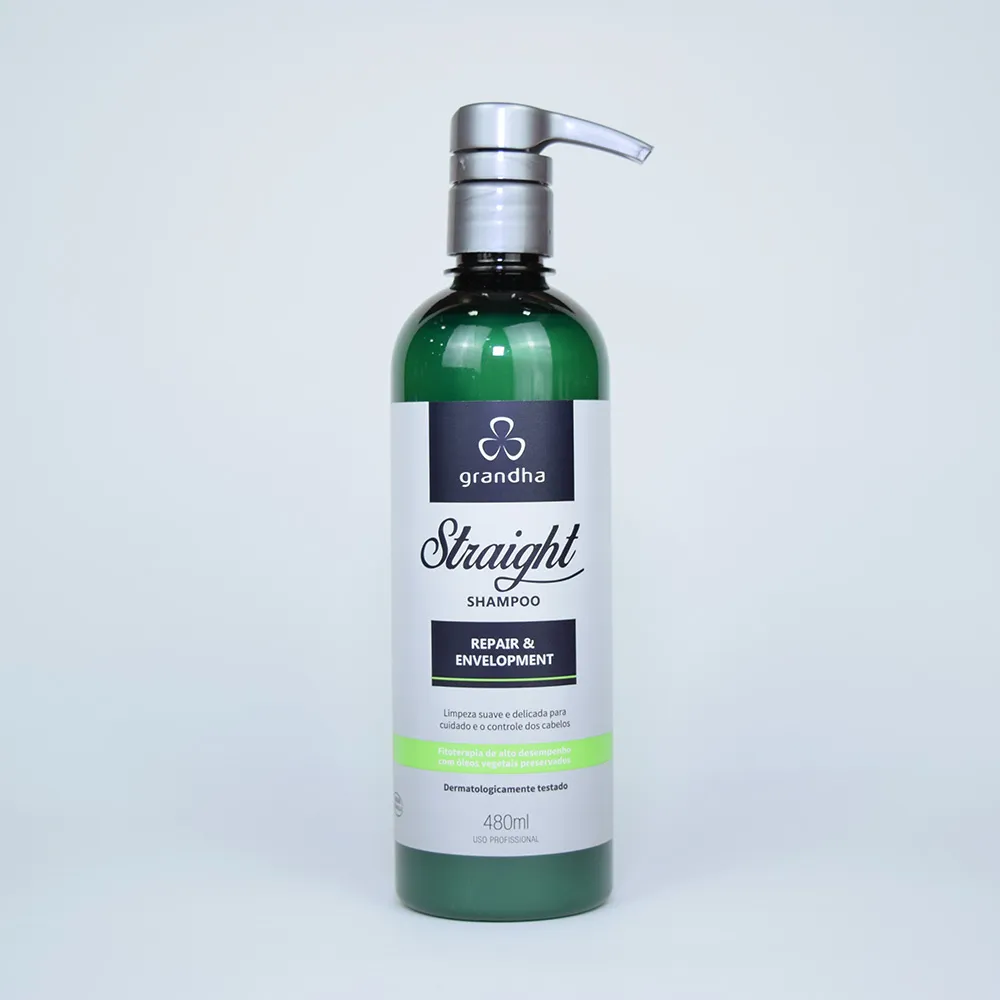
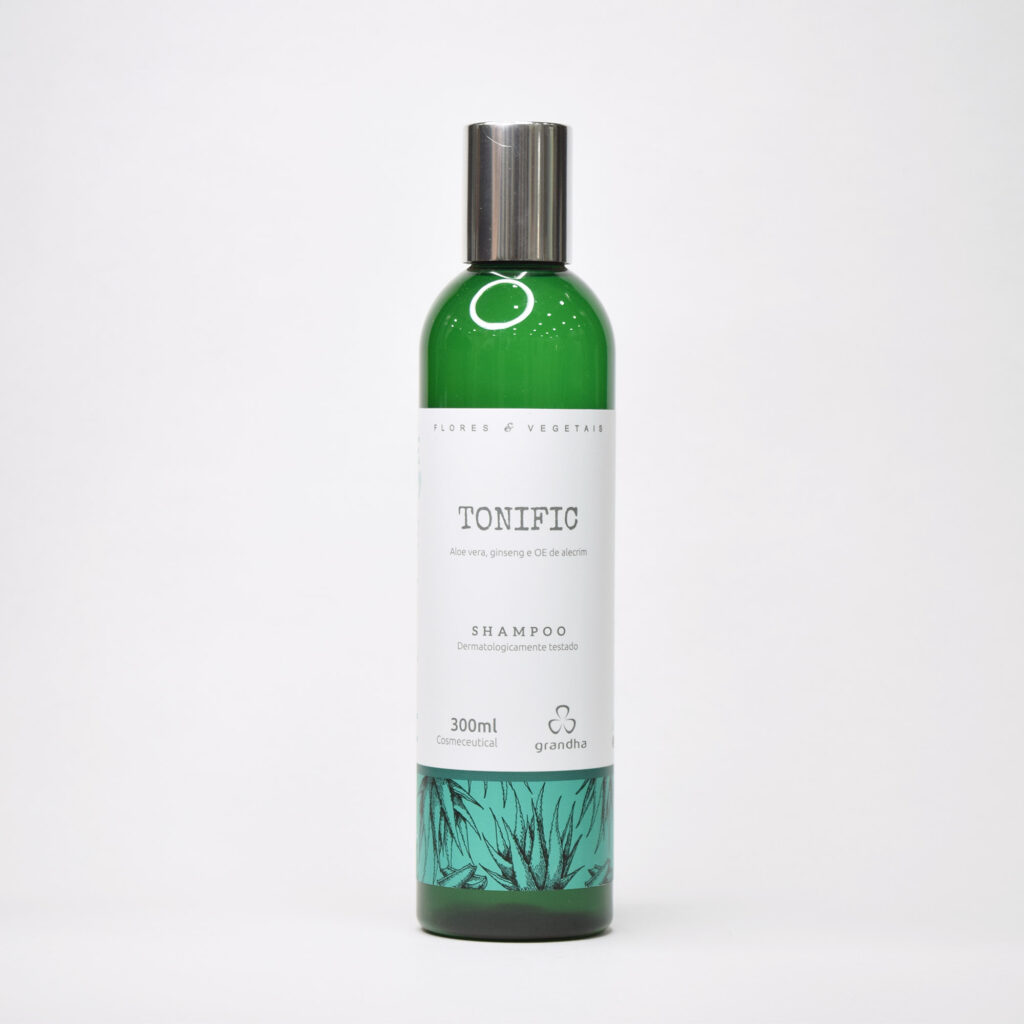
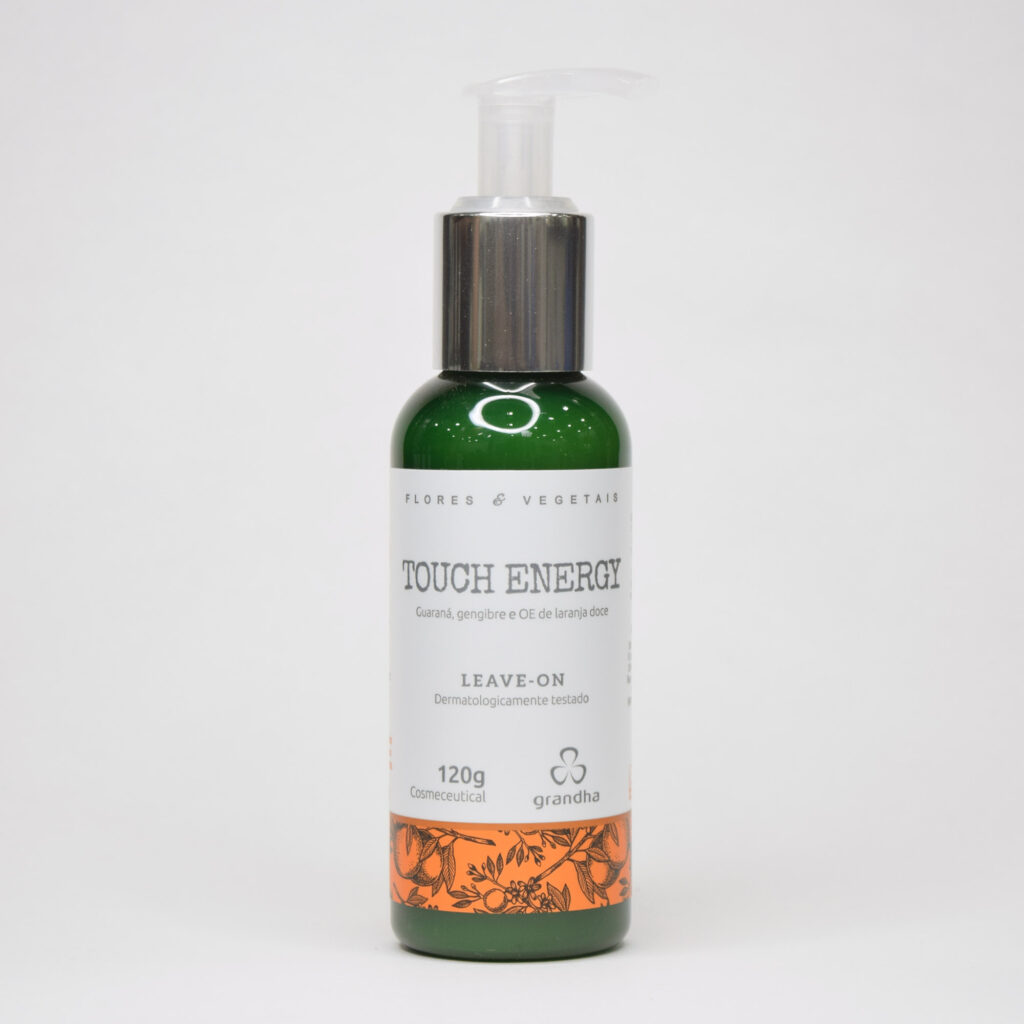
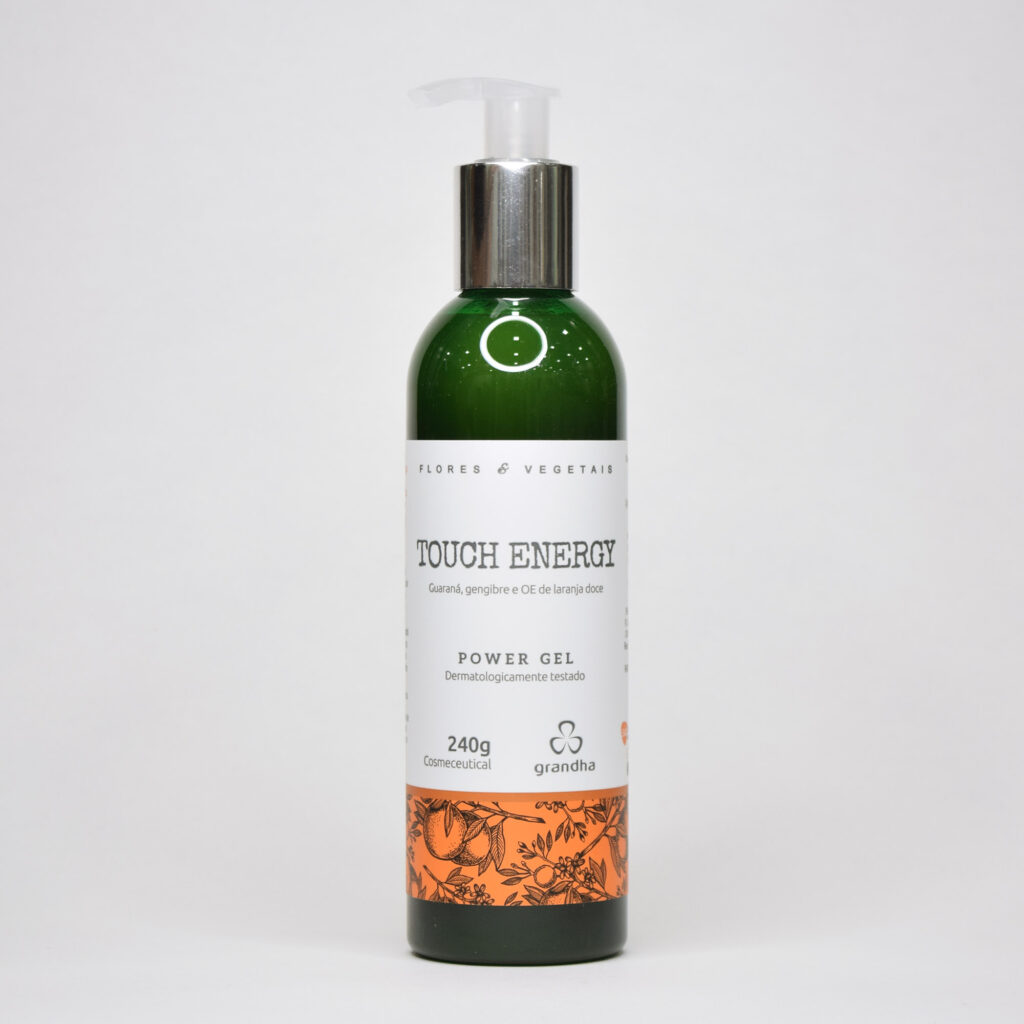
How does the sealing process work on the hair fiber?
The treatment sealing process is a logical sequence that It aims for maximum retention of active ingredients in the hair shaft structures.
- Mass and Nutrient Replacement
The sealing process begins with the application of products rich in:
- Proteins: Primarily hydrolyzed keratin, which fills in cracks and gaps in the hair fiber, restoring lost mass.
- Lipids and Amino Acids: repair, To maintain the shine, softness, and cohesion of the cuticles.
- The Sealing Process
This is the crucial step that provides this sealing benefit. Cuticle alignment is promoted by two factors:
- Gradual pH equalization: Treatment products designed for sealing effects have a pH range similar to that of hair in its natural state (which is slightly acidic, between pH 4,5 and 5,5). This low pH is what causes the "closing" and alignment of the cuticles.
- Mechanical and Thermal Action (Optional): In this type of treatment, applying the product in the sequence determined by the manufacturer, massaging/coating it into the hair, and following the pause time recommended by the treatment developer will promote a better effect. It's worth remembering that the use of a hairdryer and straightener is intended to finalize the treatment procedure and beautify the hair, and is not considered mandatory for the active ingredients to take effect.
3. The Result on the Surface
By sealing/aligning the cuticle, the treatment offers several visible benefits:
- Effective frizz reduction: By correcting porosity, hair absorbs and retains internal moisture better, and it reinforces the hair's protection against excess environmental humidity, controlling frizz.
- Brightness Intensity: A smooth, even surface reflects light more effectively, giving hair a mirror-like shine and enhancing its color.
- Longer Treatment Durability: The integrity of the hair strands is restored; this treatment promotes greater durability of the hair's health (hydration, nutrition, and external repair).
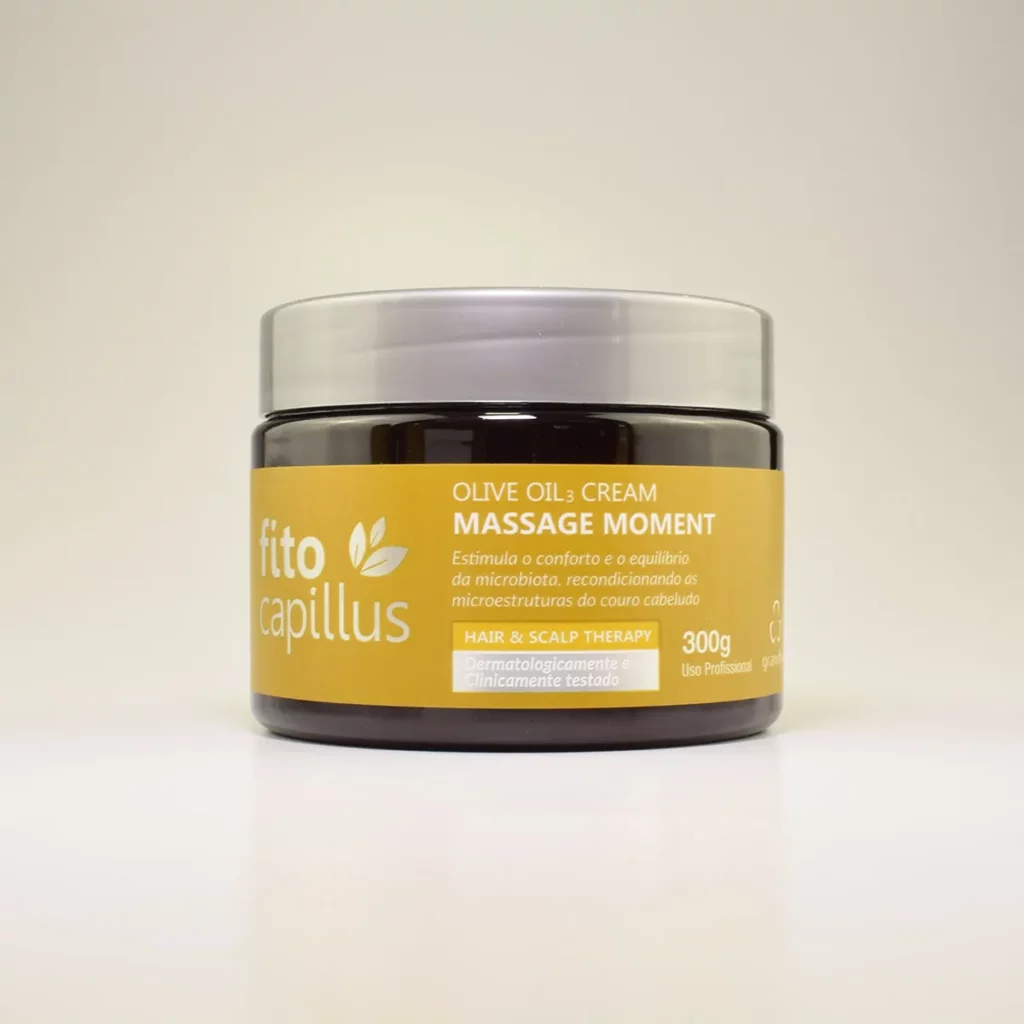
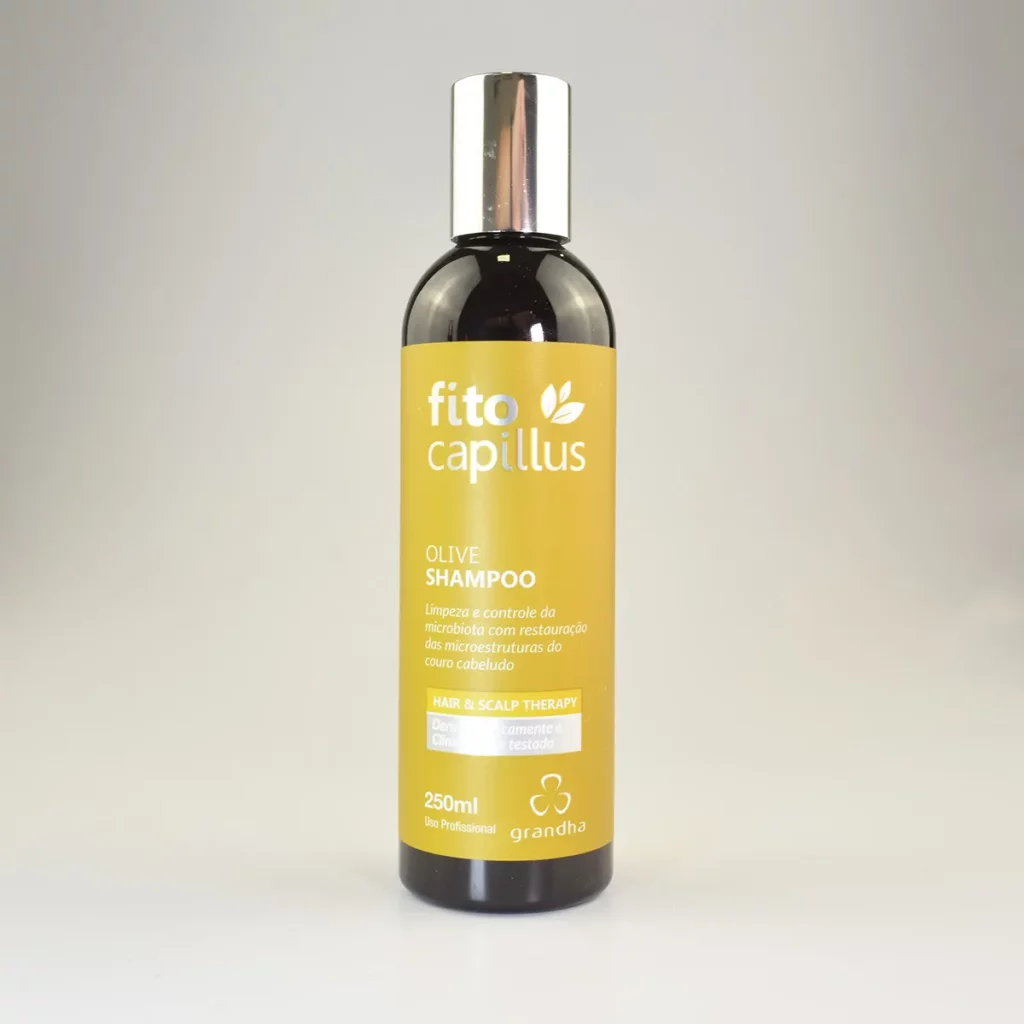
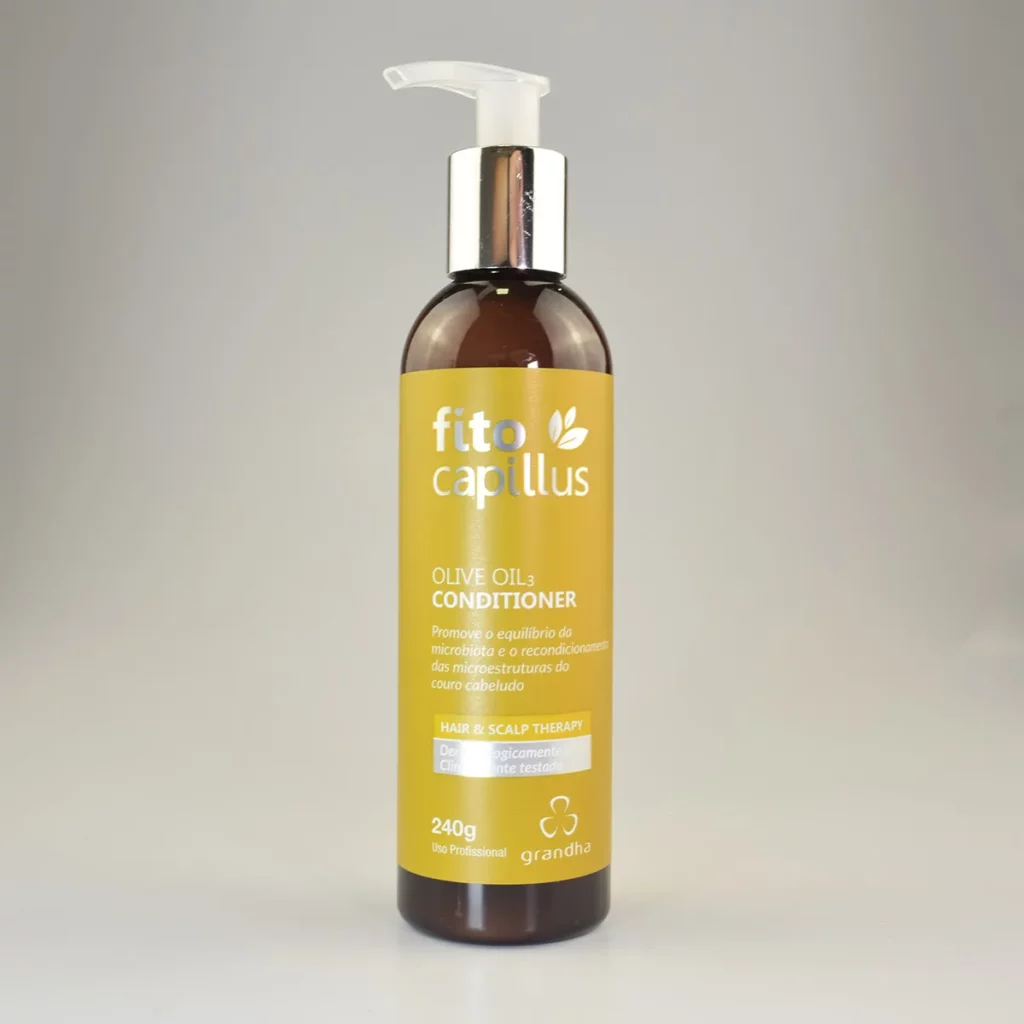
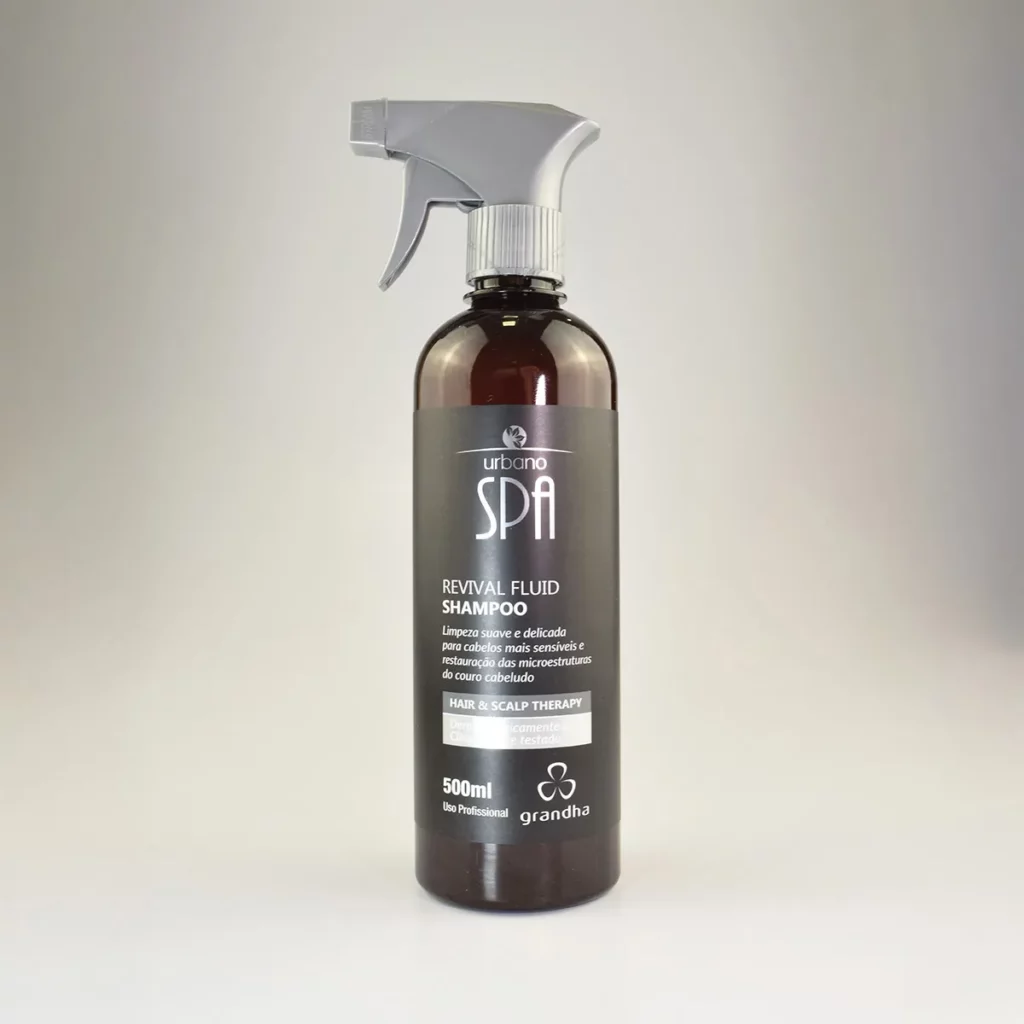
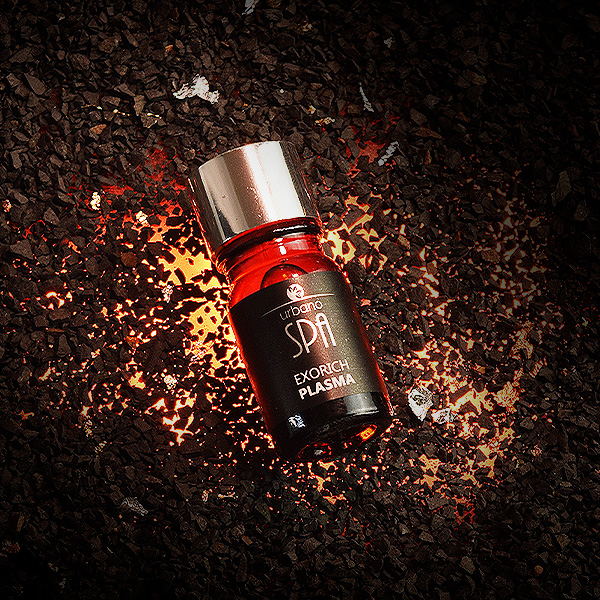
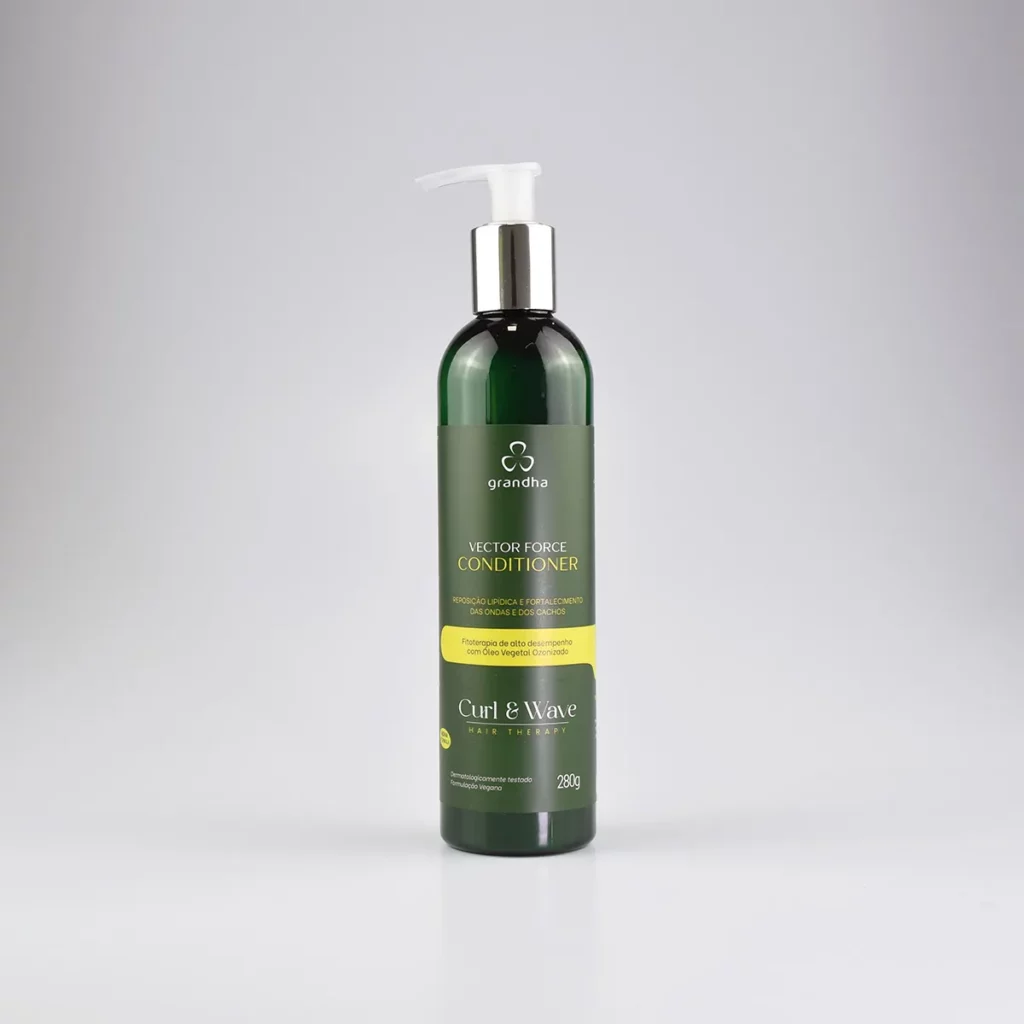
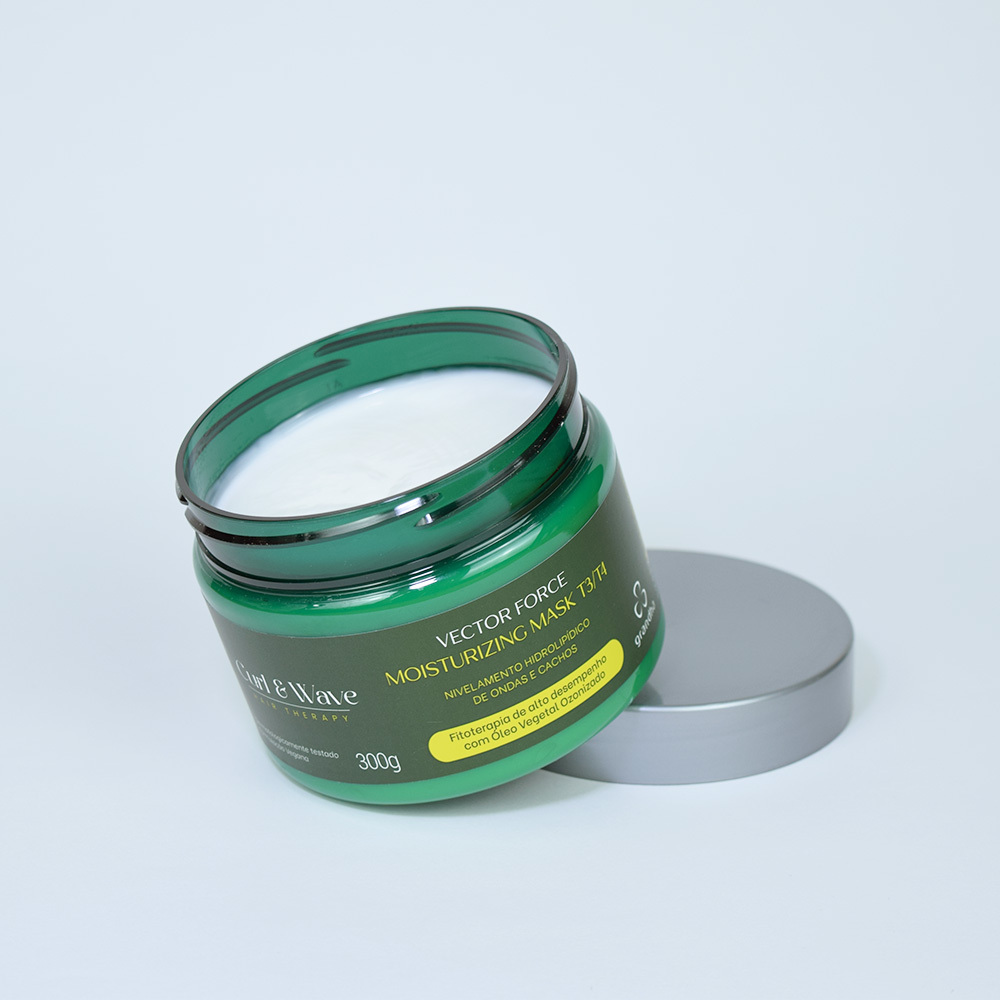
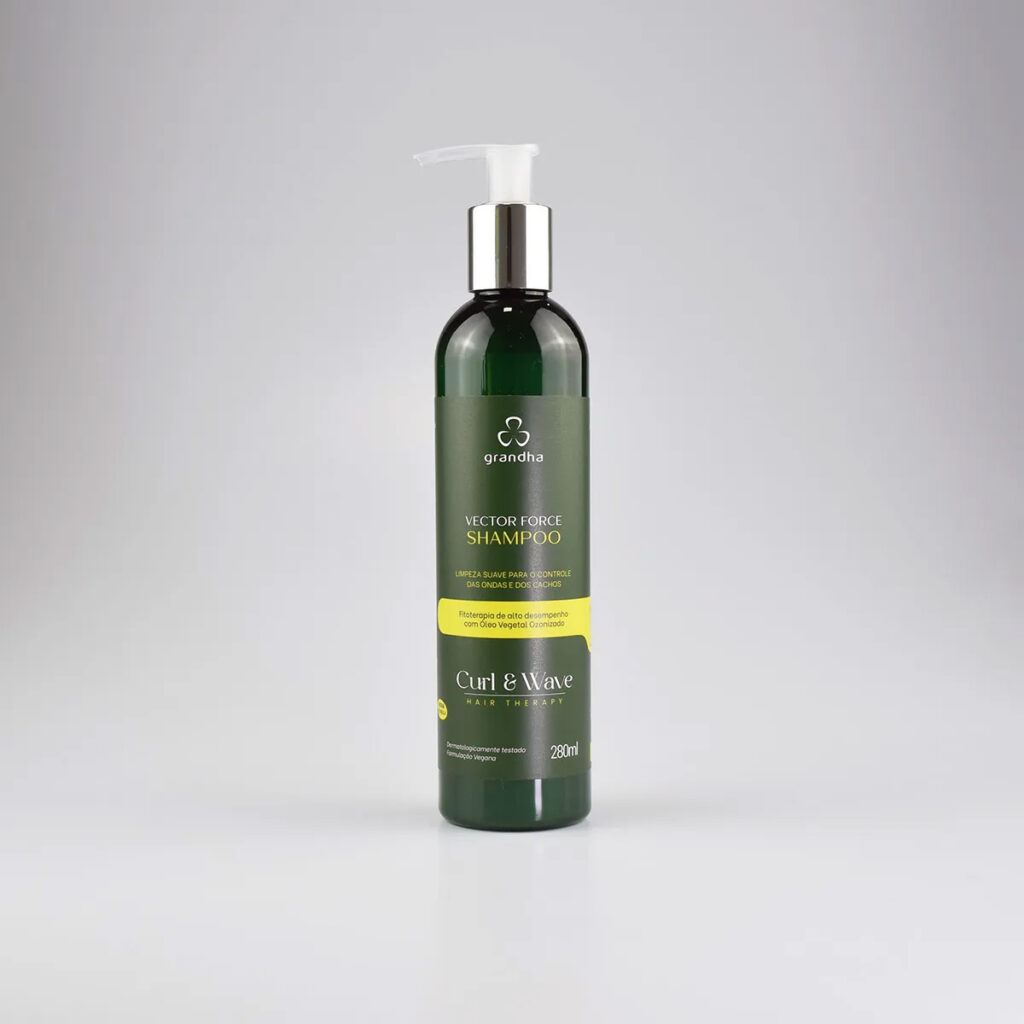
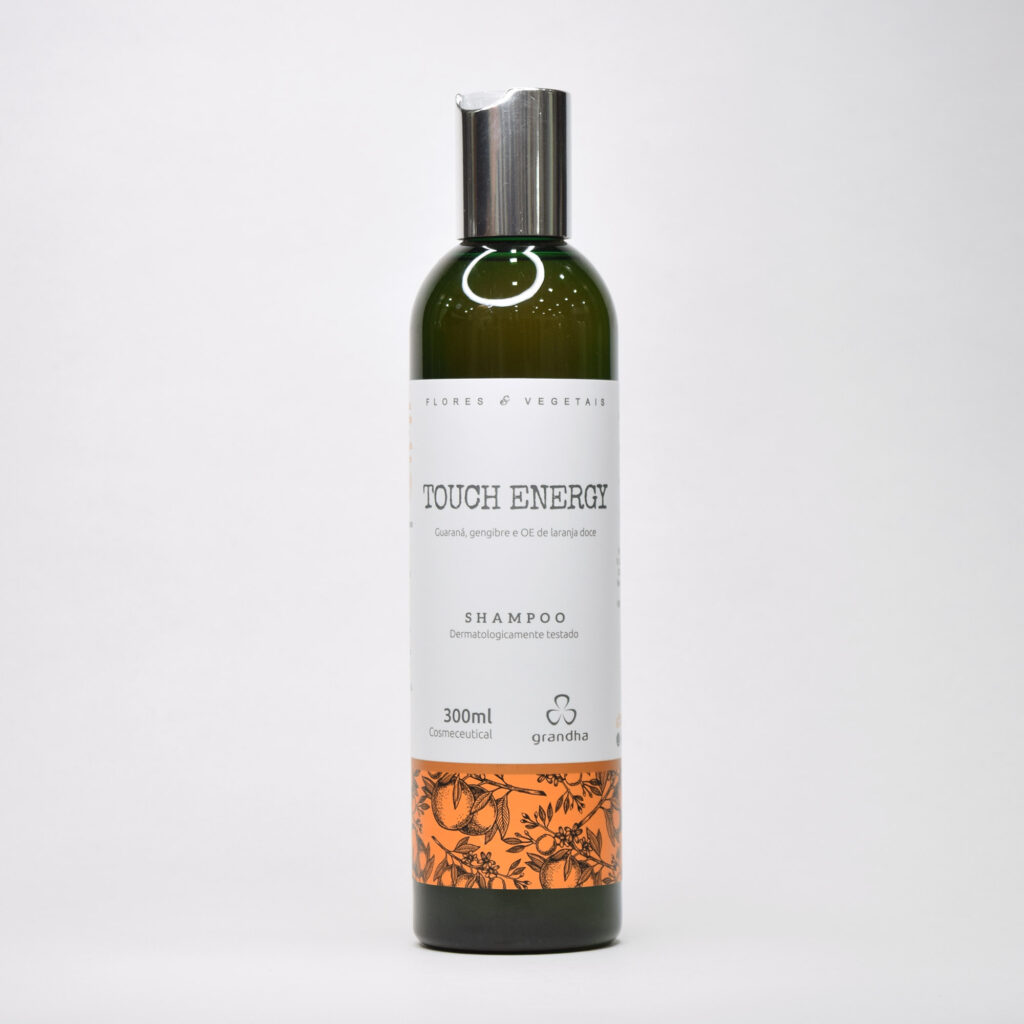
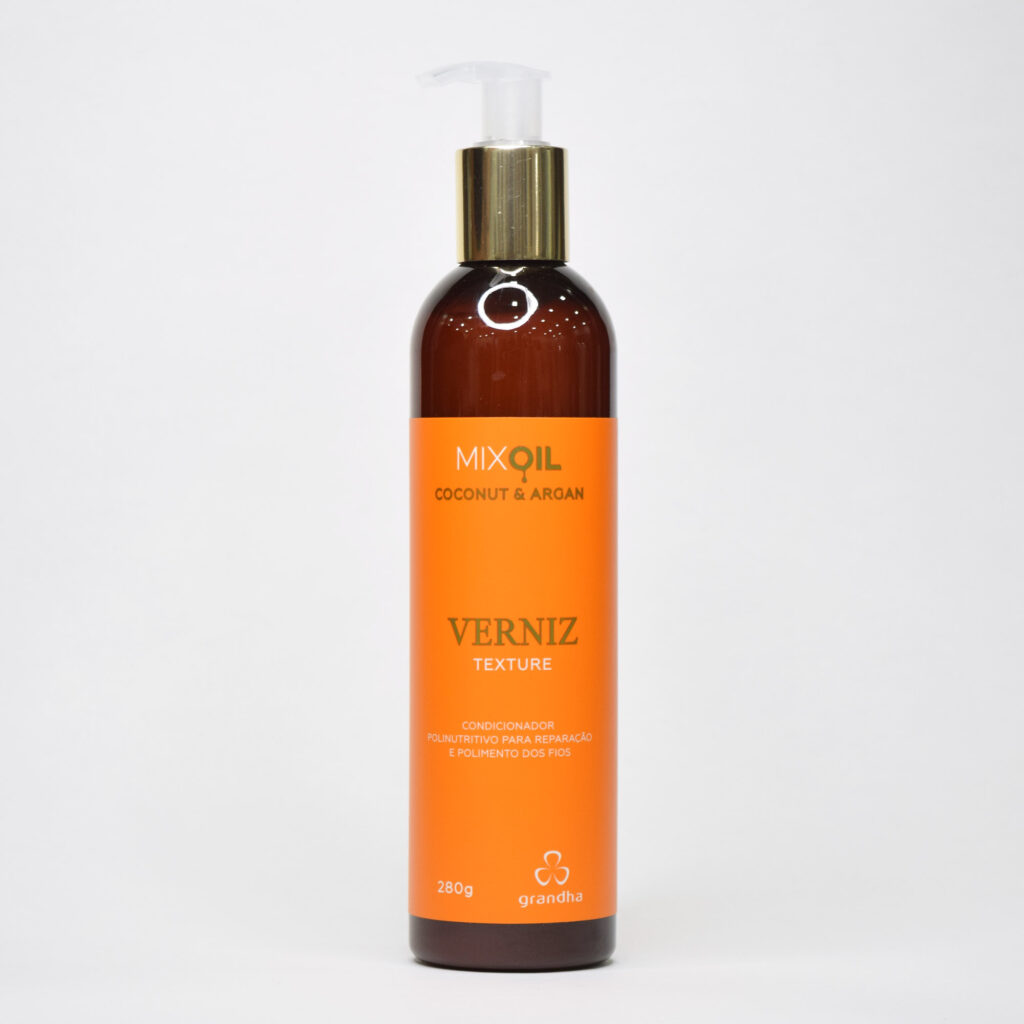
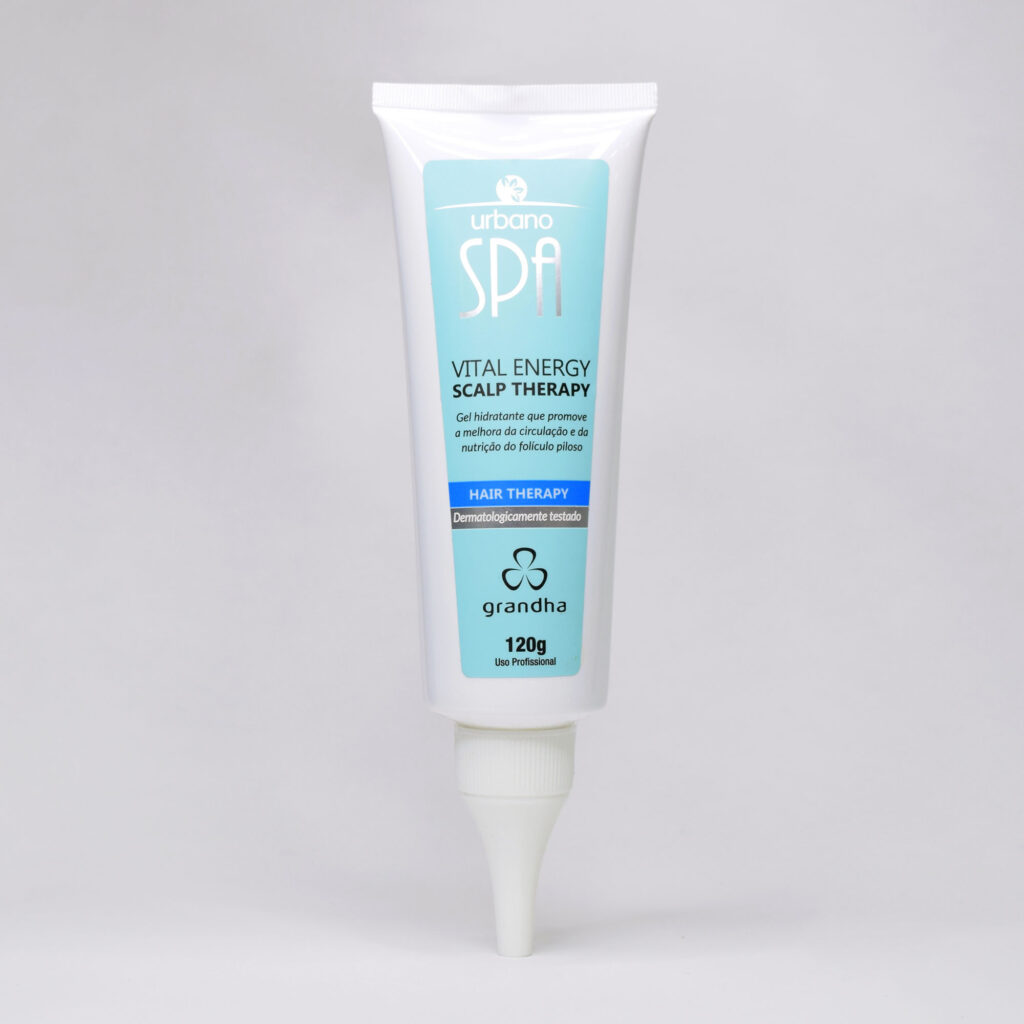
Wire Wrapping GrandhaControls and repairs excessive porosity in the hair.
Hair Wrapping Treatment Grandha aims to guarantee the hair sealing effectIn other words, cuticle alignment is of great importance in Maintaining the health and beauty of hair damaged by excessive porosity. This treatment not only improves appearance, but, more importantly, restructures the fiber, checking out greater resistance to breakage and protection of the hair's internal integrity.Ultimately, the cuticles are responsible for protecting the cortex. Promotes a balance of texture. through the lipid replenishment of 18-MEA (18-methyleicosanoic acid), the main lipid in hair, with avocado, coconut and cottonseed vegetable oils, along with phytotherapy applications present in the formulas.
For those seeking disciplined, shiny, and protected hair, the "sealing" effect is an essential periodic treatment in their hair care routine.
FAQ
1. What is the function of hair sealing?
Its main function is to close, align, and even out the hair cuticle, contributing to the retention of active ingredients, reducing frizz, and providing shine and strength.
2. How long does the "sealing" effect last in the hair?
Durability varies, but this treatment effect usually lasts 30 to 60 days, depending mainly on the quality and composition of the daily maintenance products suited to this need. You can't use just any maintenance product; seek guidance from a professional to determine the best kit. Grandha for your hair's needs.
3. Is it healthy to get a hair sealing treatment?
Yes, it's healthy, as long as it's the result of a treatment (replenishing mass and amino acids) and not a thermal sealing or aggressive chemical process aimed solely at straightening.
4. Is there a difference between thermal sealing and hair botox?
No, both procedures are actually Progressive Straightening treatments; only the commercial name has changed. They contain formaldehyde or glyoxylic acid and their combinations. They do not treat the hair; they have a NEGATIVE effect of sealing the hair, they change its shape, and they are prohibited by ANVISA (Brazilian Health Regulatory Agency).
5. Does the hair sealing effect wash out?
Yes, the sealing effect of the hair repair treatment is temporary and its effects are gradually lost with each wash, as the treatment actives are removed from the hair fiber by external conditions (sun, humidity, pollution, unsuitable products). This is why a maintenance line is recommended. Grandha and periodic evaluation by a professional to determine if the treatment needs to be reapplied.